Most companies in the decentralized-infrastructure corner of crypto sell a promise. They publish a whitepaper, mint a token, and ask you to imagine the network that will exist once enough strangers plug in the hardware that does not quite exist yet. Deeper Network went the other way. It built the box first, shipped it to homes, and let the network grow one shelf at a time. Today that network runs across more than 200,000 nodes, and the thing tying them together is a router small enough to lose in a drawer.
The pitch is deceptively plain. Buy a Deeper Connect device once - prices run from roughly $199 to $399 depending on the model - plug it in between your modem and your Wi-Fi, and it protects every device in the house at the network level. No app to install on each phone. No account to log into. And, notably, no monthly subscription, which is the part that makes the whole software-VPN industry twitch. Then, while it sits there guarding your traffic, the same box quietly rents out the bandwidth you are not using and pays you in a token called DPR.
It is two products wearing one enclosure: a privacy appliance and a crypto miner. That combination is either the most sensible thing in consumer hardware or a Rube Goldberg machine, depending on how you feel about tokens. Either way, it is real, it is for sale, and it works when you plug it in.
What the little box actually does
Strip away the crypto for a moment and Deeper Connect is a competent home-security router. It runs a seven-layer firewall, blocks ads and trackers before they reach any device, offers parental controls, and encrypts DNS. Because it operates at the network layer rather than as an app, it covers the gadgets that usually slip through the cracks - the smart TV, the game console, the cheap IoT plug that will never get a VPN client of its own.
The VPN part is where the architecture diverges from the incumbents. A traditional VPN routes you through a datacenter, and streaming services have gotten very good at blacklisting datacenter IP ranges. Deeper runs what it calls a decentralized private network, or DPN, routing traffic through residential IP addresses shared by other users on the network. Different plumbing, different economics, and a different answer to the question of why a site keeps insisting you are a robot.
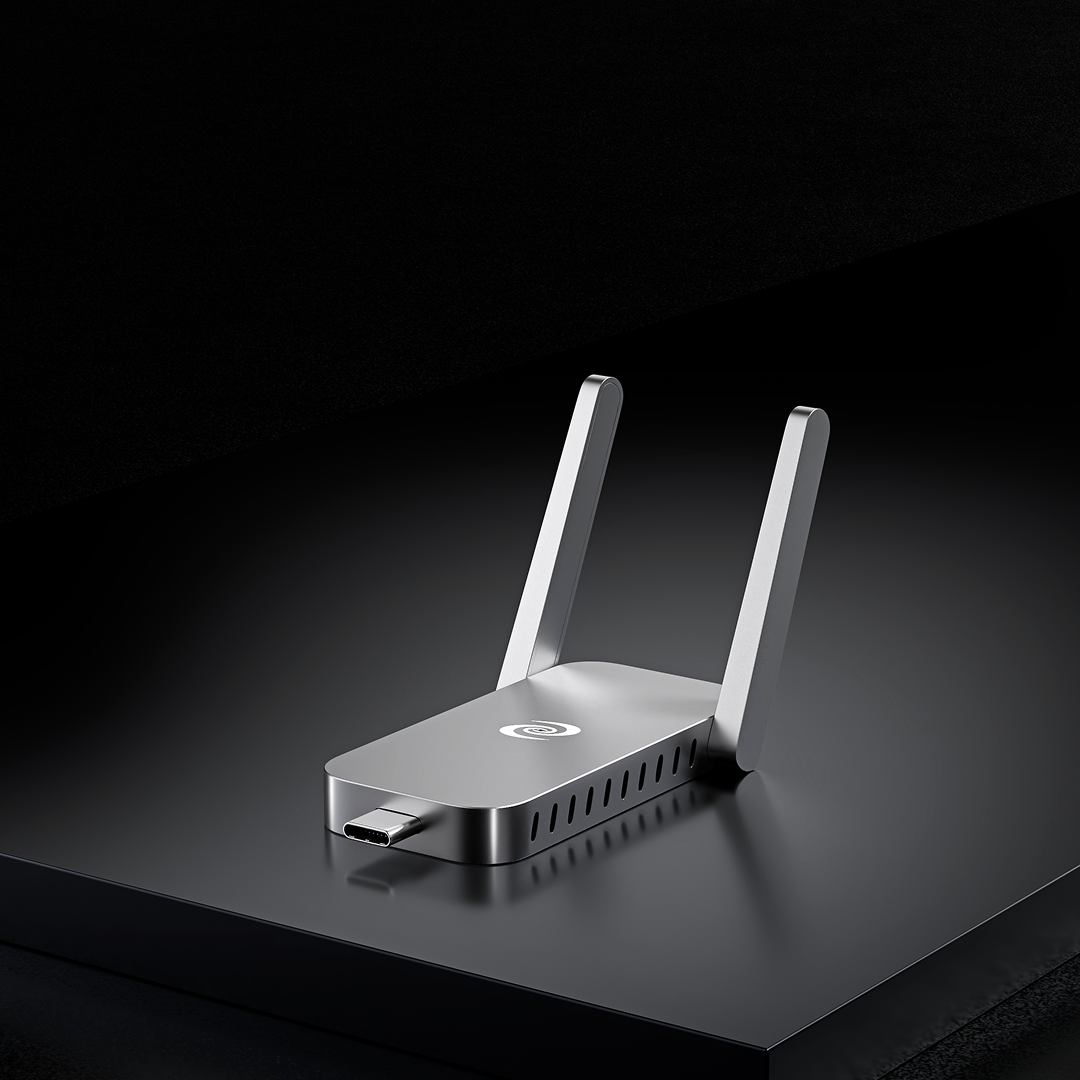
The setup, in one breath
The mining that doesn't burn a thing
Here is the mental model most people bring to crypto mining: a room full of graphics cards, a power bill that could heat a small town, a lot of noise. Deeper's version has none of that. Its consensus is called Proof of Credit, and the resource being contributed is not compute but bandwidth - specifically, the bandwidth you already pay your ISP for and almost never fully use.
The rules have a nice honesty to them. A basic miner starts with a credit score of zero and has to grow it to 100 by contributing to the network before rewards begin to flow. If you would rather not wait, you can stake DPR - 1,000 tokens to place a node on the Deeper Chain, and optionally 5,000 to 100,000 more to lift your credit score and your share of rewards. The token supply is capped at 10 billion, and 60% of it is set aside for the people actually running the network rather than early insiders.
DPR token allocation. Reward pool weighted toward node operators.
Whether that math pays your electric bill is not the point, and Deeper is careful not to pretend otherwise. The point is that the incentive to keep the box plugged in is baked into the same device that is protecting your traffic. The privacy tool funds itself.
Why buy the box instead of renting an app
The clearest way to understand Deeper's wedge is the money. Software VPNs are a rental: you pay every month, forever, and each subscription typically covers a handful of devices. Deeper flips it to a one-time purchase that covers everything on the network for the life of the hardware. Over a few years, the arithmetic starts to lean.
There is a catch worth naming, because pretending otherwise would be the kind of hype this network does not need. Hardware is an upfront cost, residential-IP routing can be slower than a nearby datacenter, and a token economy adds moving parts a plain VPN does not have. If all you want is to hide your IP on a laptop for a month, an app is simpler. Deeper's model rewards the household that wants whole-network coverage and is comfortable letting a box earn its keep over years, not weeks.
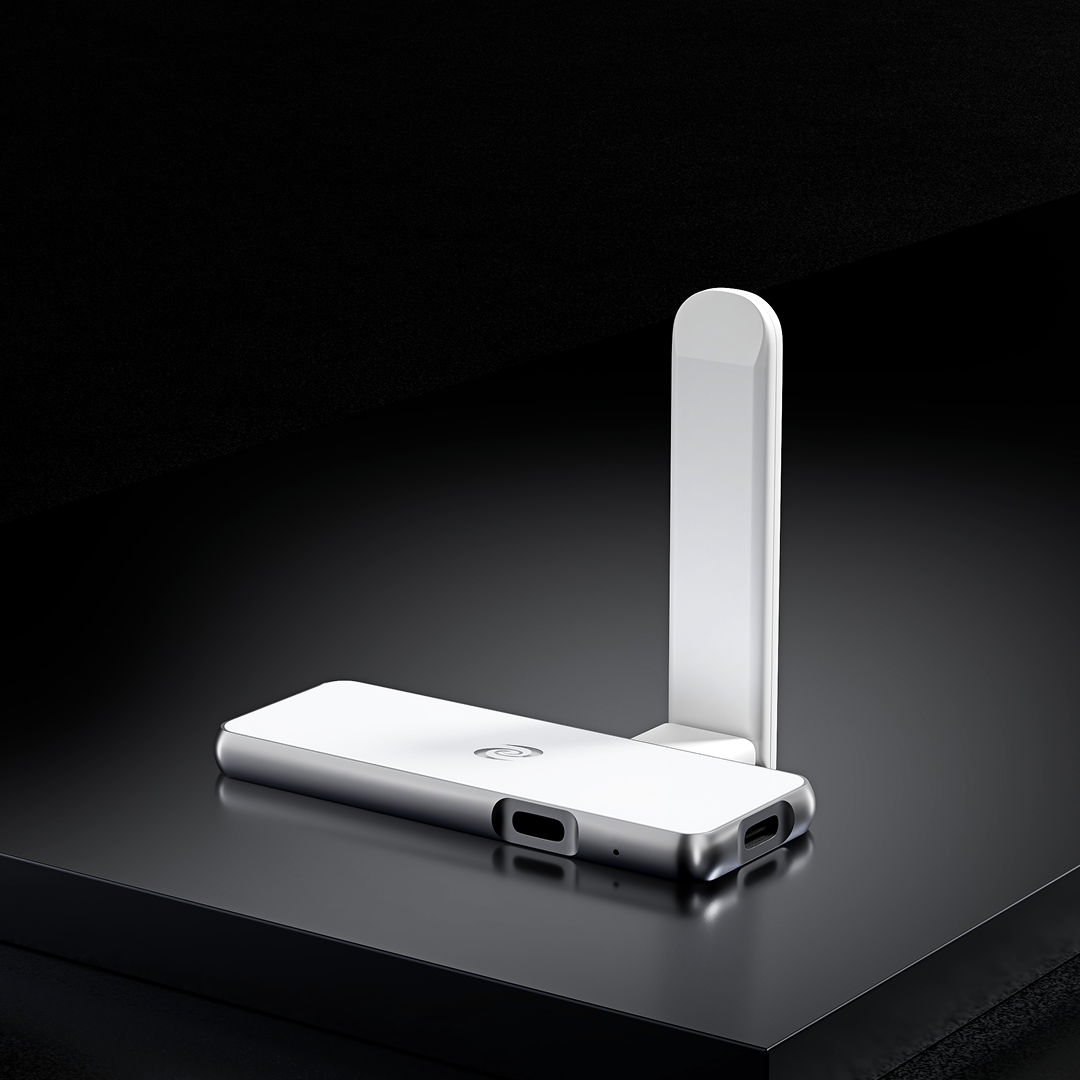
The engineering underneath
Deeper did not stitch this together from off-the-shelf parts. At the software core sits AtomOS, a self-developed, lock-free network operating system that runs the firewall, routing and security stack on each device with an eye toward performance and uptime. Around it, the team built the Trident Protocol for decentralized communication and the Deeper Chain to settle the token economy. That is a lot of custom infrastructure for a company of roughly two dozen people, and it traces back to a founding team drawn from Google, IBM and Alibaba.
The company was started in Silicon Valley in 2018 by founder Russell Liu, framed around three unglamorous problems: censorship, privacy and internet freedom. Its outward voice today runs through Eric Ma, the Chief Evangelist and former Chief Marketing Officer, who has represented the project everywhere from exchange AMAs to Token2049 in Singapore.
Who is actually buying it
Deeper's audience splits into camps that rarely shop in the same aisle. There are privacy-first households that want the smart TV and the kids' tablets covered without babysitting apps. There are travelers and remote workers who slip a Pico or an Air into a bag so hotel Wi-Fi stops being a gamble. And there are DePIN and crypto enthusiasts who see a node that earns while it protects. The device sells directly through a Shopify storefront and on Amazon, with a Cloudflare-backed web stack behind it - a very normal e-commerce operation wrapped around a very unusual product.
Where it sits in the market
On one flank are the software VPNs - NordVPN, ExpressVPN, PrivadoVPN - competing on server counts and monthly price. On the other are DePIN and decentralized-bandwidth networks like Helium, Grass and Mysterium, competing on token narratives. Deeper's peculiar position is that it straddles both: hardware-based, router-level privacy on one side, a bandwidth-sharing token economy on the other, sold as a single plug-and-play unit. Few competitors try to be both, which is exactly why the box looks strange and why it has a lane.
The validation has shown up in places that are hard to fake. In 2022, Deeper won the West American Division of a Stanford-Harvard-MIT future-tech startup competition, judged at Stanford Business School against Web3, AI and software-services entrants. It has since kept its head down and shipped: new AtomOS versions, a reward halving in early 2024, the featherweight Air, and a steady drip of bi-monthly newsletters to a node-operator base that reads like a fan club.
That is the quiet argument Deeper Network keeps making. The decentralized internet everyone in crypto describes on stage is, in its telling, not a slide deck. It is a small box on a shelf, blinking, doing four jobs at once, and occasionally paying its owner back for the trouble.
Explore & connect
Figures such as node counts, pricing and token allocation are drawn from public company materials and third-party listings and may have changed. Cost comparisons are illustrative.