Daniel Karp - General Partner, Cervin Ventures $2.5B+ in exits from Cisco portfolio Early backer of Habana Labs - acquired by Intel for $2B Gong.io investor at Series A - valued at $2.15B post-Series D GuardiCore - acquired by Akamai Cervin Ventures closes $162M Fund III GCV Emerging Leaders Award 2021 IDF Elite Intelligence Unit 8200 alum Fluent in English, Hebrew & Spanish Daniel Karp - General Partner, Cervin Ventures $2.5B+ in exits from Cisco portfolio Early backer of Habana Labs - acquired by Intel for $2B Gong.io investor at Series A - valued at $2.15B post-Series D GuardiCore - acquired by Akamai Cervin Ventures closes $162M Fund III GCV Emerging Leaders Award 2021 IDF Elite Intelligence Unit 8200 alum Fluent in English, Hebrew & Spanish
General Partner  ■  Cervin Ventures  ■  Palo Alto, CA

Daniel Karp

Enterprise Infrastructure Investor  |  Ex-Cisco  |  Ex-Microsoft Azure

Before venture capital was a career move, it was a craft. Daniel Karp spent eight years at Cisco proving that thesis - backing Habana Labs at Series A, watching Intel pay $2 billion for it, and doing it again and again across a portfolio that generated more than $2.5 billion in exits. Now he's a General Partner at Cervin Ventures, writing checks out of a $162 million fund for the infrastructure and AI-native startups that enterprises will depend on for the next decade.

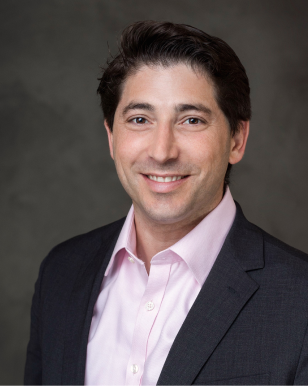
Daniel Karp, General Partner at Cervin Ventures
Daniel Karp  ■  Cervin Ventures
$2.5B+
Cisco Portfolio Exits
$162M
Latest Fund Size
8 yrs
At Cisco Investments
3
Languages Spoken

Chips, Code, and Capital

Before writing his first term sheet, Daniel Karp was designing ASICs. Before designing chips, he was a signals intelligence analyst in the Israeli Defense Forces' Unit 8200 - the military program that has produced more startup founders per capita than arguably any other institution on earth. That background isn't decorative. It shapes exactly how Karp evaluates technical bets.

After the IDF, Karp took the engineering route: a B.Sc. in Electrical Engineering from Tel Aviv University, four years building hardware at Comsys Communication and Signal Processing - a company that Intel would later acquire. A brief stint at a financial VC followed, then an MBA from the University of Chicago's Booth School of Business in finance, strategic management, and entrepreneurship. By the time he graduated, he had the rarest possible credential in venture: he had actually built the things he would be asked to fund.

Microsoft came next. Three years across roles in strategy and business development with the Azure team and the Startup Business Group inside Microsoft Research - an incubation arm that worked on natural user interfaces, robotics, 3D printing, and early machine learning applications. Karp was embedded in the beginning of the cloud era before most people knew "the cloud" was a thing. He understood infrastructure from the substrate up.

Then Cisco, in 2013. Eight years leading investments and acquisitions across some of the company's most consequential domains - networking, cloud and data centers - with geographic responsibility for two of the world's most technically active regions: Israel and Latin America. He co-invested in funds including Team8 and KaszeK, the Latin America regional venture platform, bringing an unusual continental range to a role most people focused on a single geography.

"The deep investment I see the partners have in the founders and the companies we work with is nothing short of inspiring."

- Daniel Karp, on joining Cervin Ventures

The exits at Cisco are what people talk about first: Habana Labs, the AI chipset company he backed at Series A in 2017, acquired by Intel for $2 billion in 2019. GuardiCore, the microsegmentation security firm, sold to Akamai. Elastifile, picked up by Google Cloud. Prospera, the agricultural AI platform. Cumulative exit value north of $2.5 billion. In 2021, Global Corporate Venturing named him one of their Emerging Leaders - the CVC world's version of a rising star award.

But the number that matters more is the one nobody headlines: how early. Karp's pattern isn't finding companies after the category is established. It's getting in before the category has a name. Habana Labs before most investors understood the AI chip market. Gong.io at Series A, when revenue intelligence was still a concept, not a category. That's the skill that travels.

A Career in Data Points

$2B
Habana Labs exit value
8
Years at Cisco Investments
3
Continents investing across
50+
Cervin portfolio companies
$335M
Cervin AUM

Cervin Ventures: The Independent Bet

In January 2022, after eight years inside the world's largest networking company, Karp made the move that corporate venture investors spend careers debating: he went independent. He joined Cervin Ventures as the firm's fourth partner, bringing his Cisco-era conviction and his network spanning San Francisco, Tel Aviv, and Latin America to an early-stage platform that had already proven its model.

Cervin was already known for its enterprise software focus - investments across the United States, Israel, and India, a portfolio of more than 50 companies, and exits including Punchh, Replay, EdCast, and Tynker. Karp's addition wasn't about name recognition. It was about adding a specific type of technical pattern matching to the firm's infrastructure thesis.

His territory at Cervin: enterprise infrastructure. Cloud-native architectures, DevOps tooling, developer platforms, cybersecurity, networking, data management, and what he calls "open-source-first enterprise motions" - the category of companies that build community through open source and monetize through enterprise distribution. It's a market Karp knows from multiple angles: as an engineer who built the underlying hardware, as a strategist who helped Microsoft build Azure-era partnerships, and as a corporate acquirer who evaluated these companies for billion-dollar strategic fit.

The $162 million fund closed in September 2023, Cervin's largest raise to date, bringing total assets under management past $335 million. Alongside the close, Cervin launched a dedicated portfolio services team - business development, go-to-market consulting, and research support - the kind of operational infrastructure that separates funds positioning for the long term from those just writing checks.

Karp's check range runs from $250,000 to $8 million, with a sweet spot around $4 million - the kind of number that lets him lead rounds without requiring a company to be further along than its best instincts. Recent investments under the Cervin umbrella include OwnID (authentication infrastructure), Bolster (cybersecurity), Causely (cloud reliability), and FireCompass (attack surface management).

Bets That Paid Off

Cisco Investments Era

Habana Labs
AI Chips
Acquired by Intel for $2B - one of the largest AI chip exits at the time
Gong.io
Revenue Intelligence
Series A investor - valued at $2.15B by Series D
GuardiCore
Cybersecurity
Microsegmentation platform acquired by Akamai
Elastifile
Cloud Storage
Cloud data management acquired by Google Cloud
Prospera
AgTech AI
Agricultural AI platform - acquired
Isovalent
Networking
eBPF-based cloud-native networking (Cilium)
LinearB
DevOps
Engineering effectiveness platform
Illusive Networks
Deception Security
Series A - $47M raised total

From Signals Intelligence to Seed Checks

IDF
Israeli Defense Forces - Unit 8200 - Three years in Israel's elite signals intelligence corps, the same program that would produce a generation of tech founders
~2001
Tel Aviv University - B.Sc. Electrical Engineering. Built the technical foundation that would make every future role deeper
~2001-05
Comsys Communication - ASIC chip design lead and team leader at the hardware company later acquired by Intel. Learned what enterprise infrastructure looks like from the inside
~2005-08
Financial VC + Booth MBA - One year as a VC associate, then an MBA in finance, strategic management, and entrepreneurship from University of Chicago Booth
~2008-13
Microsoft - Three years across Azure and the Startup Business Group inside Microsoft Research. Natural user interfaces, robotics, 3D printing, machine learning - early days of the cloud era
2013
Joined Cisco Investments - Director of M&A and Venture Capital, leading cloud/compute and intent-based networking domains globally, with geographic responsibility for Israel and Latin America
2017
Habana Labs Series A - Led Cisco's investment in the AI chipset company two years before Intel paid $2B to acquire it
2021
GCV Emerging Leaders Award - Named one of the top emerging leaders in global corporate venturing
Jan 2022
Left Cisco - After eight years and more than $2.5B in exits, transitioned to independent venture
Feb 2022
Joined Cervin Ventures as the firm's fourth partner, focusing on enterprise infrastructure
Sep 2023
General Partner, Cervin $162M Fund - Firm closes its largest fund; Karp promoted to General Partner

The Habana Labs bet is the one that captures Karp's method. In 2017, the AI chip market barely existed as a category. Nvidia was the default answer. The idea that a small Israeli startup could build chips specifically for machine learning inference - and that Intel would pay $2 billion for it within two years - required both technical conviction and market imagination. Karp had both, from designing the kind of silicon Habana Labs was disrupting.

Running Cisco's Israel and Latin America portfolios simultaneously is rarer than it sounds. Most CVC investors pick one geography and stay there. Karp's Spanish fluency opened the Latin America door; his IDF background opened Israel's. He co-invested in KaszeK, one of Latin America's premier VC funds, and in Team8, the cyber venture creation platform that has produced companies worth billions. Continental range, concentrated judgment.

Where the Thinking Was Formed

Israeli Defense Forces - Unit 8200
Elite Intelligence Unit - Signals Intelligence & Technology
3 years of service
Tel Aviv University
B.Sc. Electrical Engineering
Late 1990s
University of Chicago, Booth School of Business
MBA - Finance, Strategic Management & Entrepreneurship
Mid-2000s

How He Operates

Karp doesn't present as a typical Sand Hill Road GP. The engineering background runs too deep. He's described as a "builder-type partner" - the kind of investor who engages directly in technical go-to-market discussions rather than deferring to technical advisors. For founders building infrastructure companies, that's different. He's read the datasheet. He's written the architecture document. He knows what "production-ready" actually means.

The trilingual portfolio signals something about how he's built relationships. English for the Bay Area, Hebrew for Tel Aviv's startup ecosystem, Spanish for Latin America. Each language opens a different network, a different sourcing channel, a different pattern of trust. Most VCs have one of those three. Karp operates in all three simultaneously.

His stated investment thesis has a particular edge in 2024 and 2025: he's specifically focused on AI-native applications that automate security and compliance workflows - not AI as a standalone technology, but AI as the mechanism that finally makes tedious enterprise processes disappear. He's been watching the security and compliance stack for a decade. He knows where the friction lives.

Off the clock: hiking California trails with family, building a bourbon collection, and pursuing Spanish wines - the last one suggesting a palate that connects professionally useful geography to genuine pleasure. The kind of person who finds a thread between work and life and follows it.

Technical Depth Builder Mentality Cross-Cultural Trilingual Pattern Recognizer Hands-On Partner Thesis-Driven Relationship-First Early-Stage Focus Operator Background
$2B
Intel paid for Habana Labs - Karp's Series A bet
50+
Cervin portfolio companies across US, Israel & India
3
Languages - English, Hebrew, Spanish

Daniel Karp on the Future of Corporate Venturing

Daniel Karp (Cisco Investments) on corporate venturing - from his pre-Cervin era

In this talk from his Cisco Investments days, Karp lays out the mechanics of corporate venture - the tension between strategic value and financial returns, the art of managing relationships between portfolio companies and a parent corporation, and the longer arc of what enterprise-focused CVC can accomplish when done with genuine conviction.

Much of what he describes carries forward to Cervin: the emphasis on founders who are building in categories that large companies will need to acquire or partner with, the belief that the best returns come from being early enough to shape how a company positions itself strategically.

The shift from Cisco to Cervin is the shift from having a strategic mandate to having pure conviction. Independent venture, it turns out, suits the pattern.

Profiles & Resources