The awkward thing about cybersecurity is that knowing how something broke does not guarantee anyone will believe you. A log file needs an interpreter. So does a police photograph of a desk covered in electronics. Put the same objects in different stories and a security researcher can become a suspect. Cybermidnight Club lives inside that gap between technical evidence and public understanding.
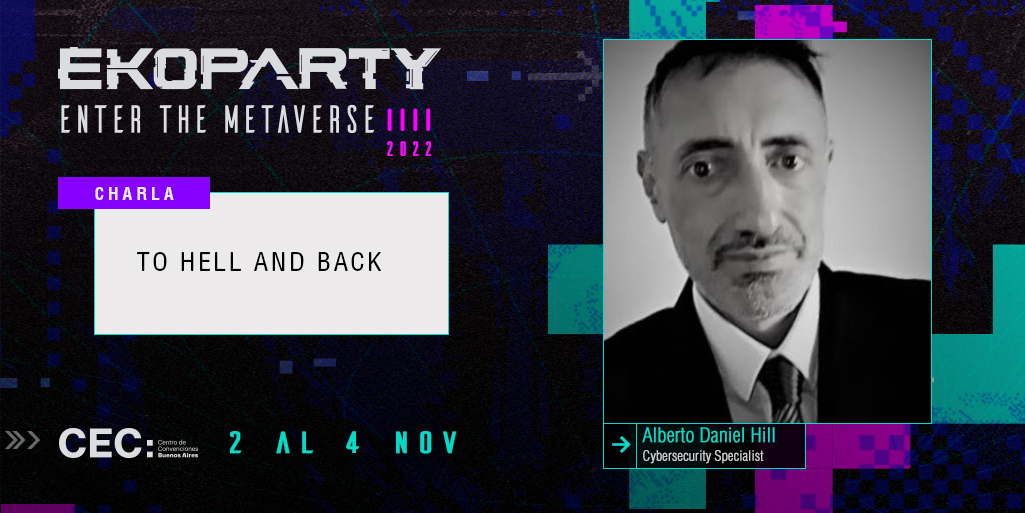
- A media project led by cybersecurity professional Alberto Daniel Hill.
- Podcasts, written analysis, social audio, music, and original fiction.
- A recurring question: who pays when digital systems and institutions fail?
Hill’s own case supplies the project’s emotional center. In November 2018, Darknet Diaries devoted an episode to him. It described an investigation involving a Uruguayan medical provider, stolen patient records, and an extortion demand. Hill disputed his guilt. The episode invited listeners to consider his account rather than handing them a tidy verdict. That distinction matters: his claim of wrongful imprisonment remains his claim.
The person inside the incident report
Cybermidnight Club takes that experience and keeps widening the frame. What happens when a vulnerability report becomes part of an accusation? What does losing access to an account mean when the account holds years of someone’s life? How should a citizen assess the promises of a digital state? These are technical questions with people attached.
The project’s introduction places it at the intersection of cybersecurity, true crime, and digital human rights. Its declared interests include romance scams and cyberstalking. That combination explains its appeal better than a conventional technology-company description. A listener can arrive for hacker stories and remain for the questions about trust, identity, and institutional power.
Hill’s background supplies the vocabulary. His public professional profile lists training in information-security management, ethical hacking, and cybersecurity fundamentals. But the editorial hook is personal proximity. He speaks as someone who says the machinery of investigation damaged his own life. His account makes the stakes immediate; it also makes attribution essential.
A club with several doors
The main product is the podcast, distributed through Apple Podcasts, Spotify, and other listening apps. Apple describes it as updated daily and displays roughly a thousand episodes. Treat that as the size of a shelf, not a count of the people standing in front of it. The archive includes English and Spanish material, short interventions, and longer conversations.
Archive size, not audience size.
The website provides another door: written reports, transcripts, and commentary. Its March 2026 blog index includes pieces on digital sovereignty, platform regulation, and the project’s own media operations. A reader can browse a topic in text; someone else can encounter the same editorial world through a conversation in their headphones.
Then there is the music. The official music archive includes an EP titled Good Luck, I’m Not in Love and a satirical jingle about a bank’s communication with customers. This is the detail that makes the project harder to mistake for a standard security-news feed. Cybersecurity discussion shares space with songs about feelings. Human vulnerability gets more than one soundtrack.
“The Podcast That Isn’t a Podcast”Cybermidnight Club’s own description
That label is useful when read as an editorial preference. The project permits digressions, personal material, and changes in medium. Its culture is visible in those choices: informal conversation and public advocacy sit beside analysis. The resulting experience depends heavily on whether a listener connects with Hill’s voice and recurring concerns.
The story starts wearing headphones
In September 2026, the catalog added a working draft of Architecture of Remorse, an original audio series. The release description explicitly asked for feedback before final mastering, sound design, and voice work. Listeners were invited to comment on atmosphere, pacing, and what they wanted expanded.
That is a concrete production choice worth borrowing. An unfinished episode gives an audience something specific to react to. “Did the pacing work?” is a better invitation than a vague request to support a project. It also gives fiction a clear place in this editorial world: another way to explore technology, consequence, and the weight of past decisions.
human consequence
Podcast + social audio02 / Read
Reports + commentary03 / Feel
Music + fiction
The business behind the microphone
The visible business has several adjacent surfaces: public media, books, music, and Hill’s professional expertise. A self-published ecosystem audit outlines sponsorship packages and describes the podcast as a route to consulting inquiries. Those are the project’s stated commercial intentions. A sponsorship menu is an asking price, not evidence that a sponsor bought anything.
For a prospective listener, the useful choice is simpler. If you want a personal perspective on the social consequences of cybercrime, this is a plausible place to spend time. If you want a sequential technical course, the shifting formats and subjects demand more navigation. Start with one clearly described episode and decide whether the approach earns another. The episode descriptions make that first choice possible: a listener can select a discussion of forensic evidence, a personal account, or a creative release without committing to the entire archive.
Darknet Diaries offers an obvious neighboring experience: narrative cybercrime organized around reported episodes. Cybermidnight Club’s distinction is the continuing presence of its creator’s own case, arguments, community conversations, and creative experiments. A visitor is entering an ongoing editorial world, with all the subjectivity that implies.
Borrow the question, keep the evidence
The transferable idea is to choose a question large enough to survive a change of format. Here, a conversation, a written analysis, and a fiction draft can all return to what digital power does to a person. Distribution across familiar listening platforms gives that question several routes to an audience.
The conditions matter. Personal testimony can open a subject; disputed allegations still need corroboration. Fiction can make consequences imaginable; it needs to remain recognizable as fiction. Cybermidnight Club is most interesting when those distinctions stay visible. Behind every complicated system is someone trying to explain what happened. This project gives that person the microphone.