The interesting person in a real estate office is usually assumed to be the one buying the house. Connect Realty began with another candidate: the agent. In a May 2008 announcement, founder Jim Canion’s company described a brokerage organized around the real estate professional as its customer. That small shift changes what an office is supposed to do. A desk is useful. A system that helps its occupant earn a living is rather more useful.
- A residential brokerage that bundles tools, marketing, and agent support.
- Commission plans are part of the pitch; training is part of the machinery.
- Its useful lesson: judge a brokerage by the work it helps you do.
The customer on the other side of the desk
Connect, based in The Woodlands, Texas, dates its founding to 2008. Its public description puts the business in more than 60 markets, with hundreds of agents. Its office directory lists seven states, from Arizona to Rhode Island. Buyers can search properties and find local representation. Sellers get help with pricing and marketing. Relocating households can seek assistance with rentals, schools, temporary accommodation, and the considerable administrative nuisance of moving.
The brokerage therefore serves two connected audiences. Households need someone who knows the neighborhood and can guide a transaction. Agents need the infrastructure behind that guidance. Connect’s position is that supplying the second group well improves the experience of the first. Think of a restaurant that takes unusual care over its kitchen. The diner may never see the equipment, but dinner depends on it.
For a household, the public-facing tools are familiar: property search, home-value estimates, and a way to find an agent. The company also describes alerts for new listings and price changes. The expertise is in connecting that information to a particular move. A family choosing between neighborhoods needs context; an employee relocating for work needs arrangements that fit a deadline. Both need more than a search result.
The arithmetic beneath the smile
Brokerage recruitment can sound like a competition between percentages. How much commission does the agent keep? Connect’s current careers page advertises plans reaching up to 100%, opportunities to advance, and additional income through revenue share and mentor pay. Those are recruiting terms with conditions. An agent still needs to examine the applicable agreement and the services attached to it.
An older example makes the economics tangible. In 2011, an agent’s published explanation listed an 80% split for experienced agents, plus a fee of $39.95 monthly or $299 annually. It also listed a California errors-and-omissions fee of $77, with other states varying. These are historical figures. Their value today is explanatory: the business charged for affiliation while bundling resources an agent might otherwise assemble separately.
The split, made visible.
Hypothetical gross commission
The sensible comparison includes both money and work. A generous split means less if the agent must build every website, purchase every tool, and solve every unfamiliar problem alone. Equally, a bundle has little value when its contents go unused. The practical question is how much usable help arrives with the affiliation.
That puts Connect among brokerage affiliations competing for an agent’s business, alongside local independent firms and national networks. Its proposition combines compensation with an operating package. The fit depends on the professional: someone making frequent use of marketing and support may value the arrangement differently from someone with an established team and systems. A useful comparison starts with an ordinary working week, then identifies which tasks the brokerage would handle.
A lead needs a next step
Connect’s lead-generation page offers a particularly concrete view of that help. It describes Kunversion and Inside Real Estate tools that connect property-search websites and landing pages with lead distribution, automated follow-up, and reporting. A visitor registers. A lead reaches an agent. A notification prompts action. Management can examine what happened next. The idea is to make the handoffs visible.
Its virtual office adds transaction management. Marketing support includes agent websites, listing distribution, and materials for presenting properties. Training includes Connect University videos and other formats. Here is the appeal for an independent professional: fewer separate systems to organize while serving a client. The brokerage supplies a shared operating environment around a business whose relationships remain local.
That environment has limits. Connect says lead generation is available in some markets. An agent should establish what exists locally, who handles questions, and how quickly support responds. Automated follow-up cannot make an unfamiliar neighborhood familiar. A virtual office also depends on people using it consistently. For agents who prefer to choose and run every tool themselves, the bundle may be less persuasive.
The rookie and the people around her
In November 2024, Connect agent Heather Stenson won RISMedia’s national Real Estate Rookie of the Year award. Her debut-year production, assessed for the award, was 37 transactions totaling more than $7.3 million. Those numbers describe one person’s performance, rather than a forecast for someone joining the company.
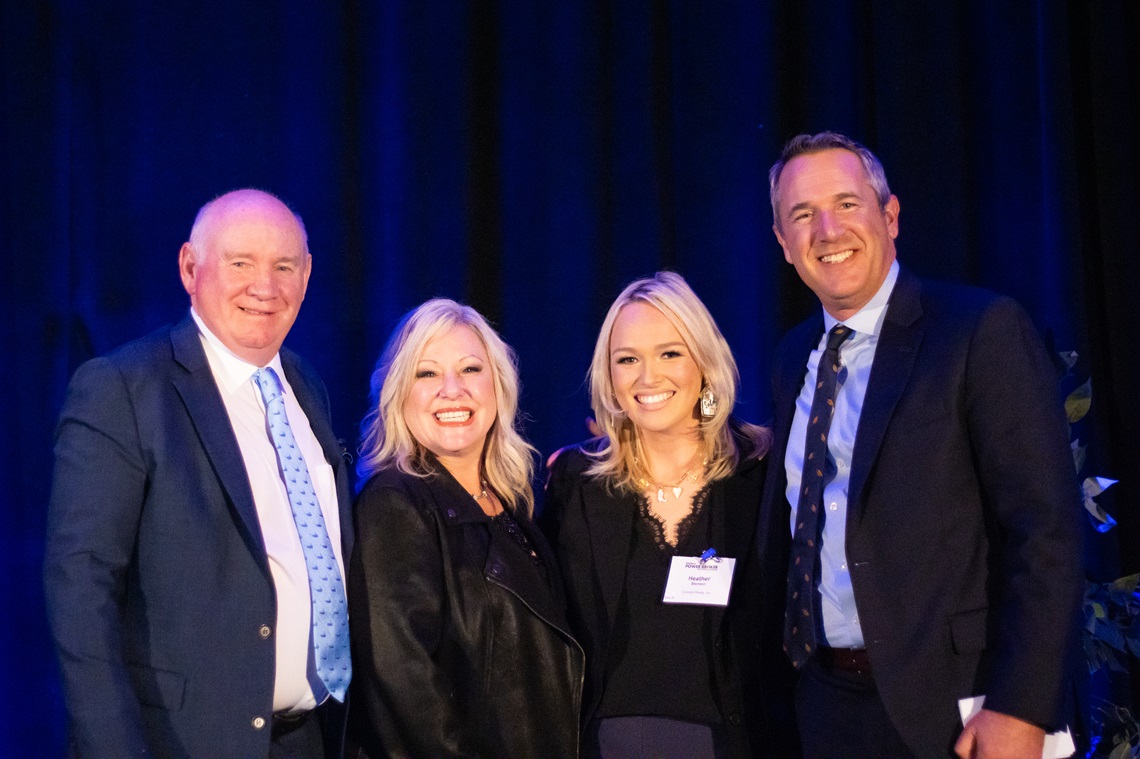
Her explanation is more instructive than the trophy. In a subsequent interview, Stenson described shadowing experienced agents, attending training, and asking questions. She credited her broker and senior colleagues for guidance, alongside technology and relationship building. The tools mattered within a setting where someone could help her understand a contract or a client’s concern.
“My broker not only provided a wealth of knowledge”
Heather Stenson / December 2024
That is a useful way to assess the culture Connect advertises. The company promotes access to staff and leadership, mentoring, and individual attention. Stenson’s account supplies a specific example of colleagues helping a newcomer. It cannot establish everyone’s experience, but it shows what the support promise can look like in practice: expertise passed between people.
Scale buys the back office
In 2019, Connect and Clayton Nash announced plans to merge. Contemporary reporting described technology purchasing power and shared marketing as reasons for combining. This was a proposal reported at the time, rather than proof of a completed deal. Its logic fits Connect’s model: a larger organization can spread the work of supporting agents across more participants.
The copyable idea is straightforward. Centralize the repeatable work, make handoffs accountable, and keep experienced people close to the decisions software cannot make. That arrangement needs agents who use the resources and local support that keeps pace. For the buyer walking through a front door, the back office remains invisible. Whether their agent can get a good answer quickly is something they may notice immediately.