Consider the phone number requested by an online shop. It looks like a small favour. Perhaps the courier needs it. Perhaps the shop has a discount to offer. Either way, you type the same number you use for your doctor, your family and your bank. A transaction lasting thirty seconds acquires a relationship with your life that may last for years.
Cloaked begins with that peculiar bargain. The privacy company founded by brothers Arjun and Abhijay Bhatnagar offers substitute emails and phone numbers: working contact details that belong to a particular interaction. The shop can reach you. It need not receive the number everybody else has. The interesting question is what happens after that deceptively simple substitution.
- Create separate identities for separate accounts.
- Pay for continuing removal of information already exposed.
- Combine that cleanup with call screening, monitoring and password tools.
A number with an off switch
Imagine assigning one identity to a retailer and another to a service you are trying for the weekend. Each has its own inbox. Emails, texts and calls remain organised around the relationship that produced them. If one becomes tiresome, you can mute or disable it without changing the contact details your friends know.
The browser extension brings this arrangement to the signup form. It generates credentials, fills fields and handles authentication codes. A password manager sits alongside the aliases. The mobile app handles communications. Cloaked’s expertise lies in making these jobs meet at the moment people actually disclose information, rather than asking them to remember a separate privacy ritual afterwards.
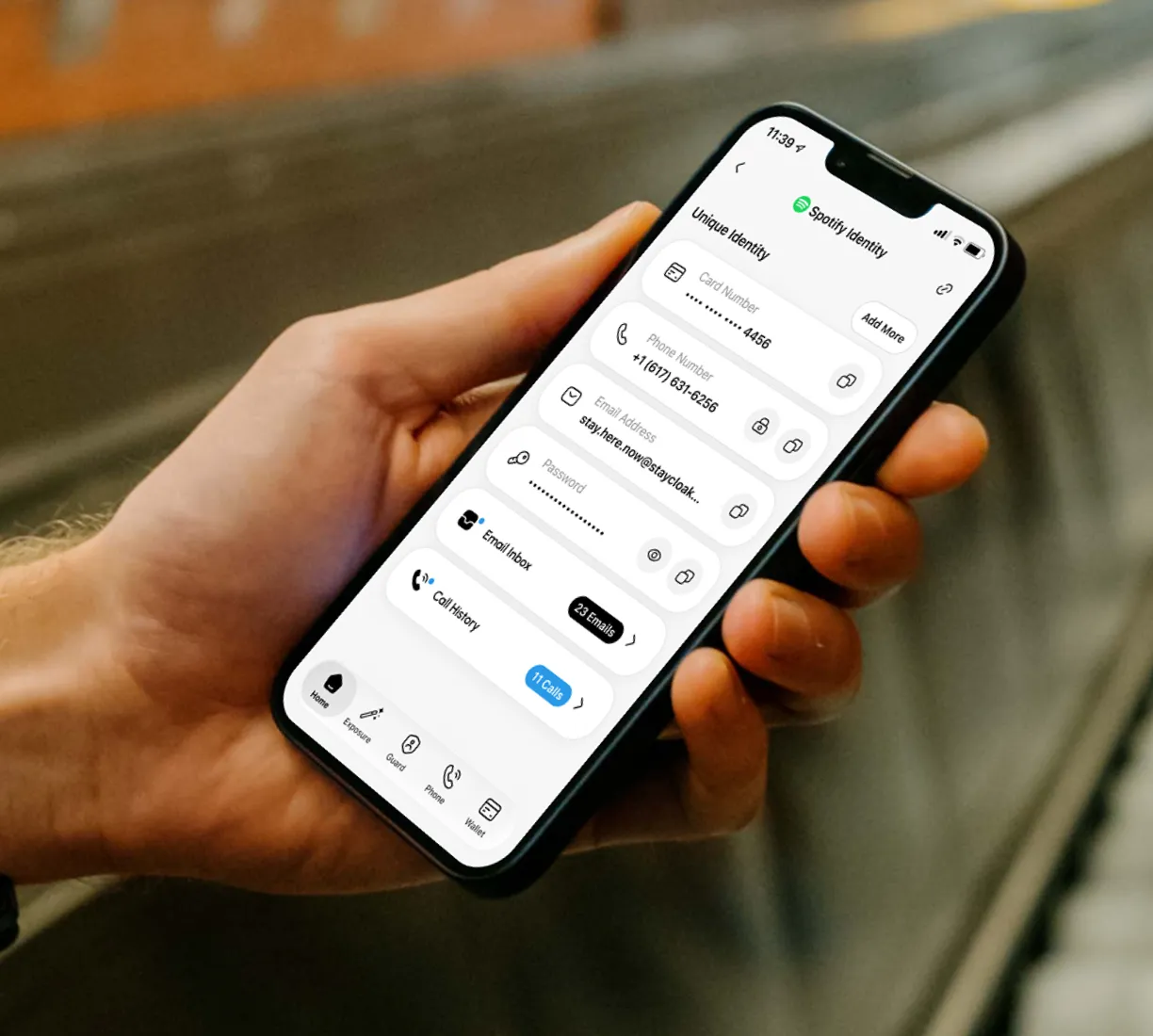
That distinction matters. A strong password protects access to an account; an alias limits which contact details the account possesses. Both are useful. Neither makes a person untraceable. A delivery address, a payment or the information someone volunteers can still identify them. Cloaked changes a familiar disclosure, not every rule of the internet.
The past was already on sale
The founders’ account of the company’s evolution contains an admission worth lingering over. Preventing future sharing would not be enough. Existing information needed attention too. Someone could adopt aliases today while yesterday’s phone number and address remained available through data brokers. The original idea had reached the boundary of its usefulness.
So Cloaked expanded into data removal. A free scan looks for likely exposure. A paid subscription begins requests to brokers and tracks their progress. Its current documentation describes coverage across more than 1,000 brokers and companies. That is a coverage claim, not a promise that every subscriber has a record on every site.
The work is less theatrical than the word “deletion” suggests. Brokers have their own processing schedules. Some require verification. Cloaked says successful takedowns usually begin in about fourteen business days; work across brokers can take two or three months. Its dashboard distinguishes pending requests from removed records. Several records may belong to the same broker.
Then the databases refresh. A removed listing can reappear. Continuing monitoring explains the subscription’s purpose: the customer is purchasing repeated work. This is also the qualification that should survive any sales pitch. A request sent is not a record erased, and a record erased is not a lifetime guarantee.
Build something your mother can use
Early reporting described the brothers building Cloaked while living in their parents’ house and assembling a remote team. During a pitch to Peter Thiel, their mother called from downstairs because a UPS delivery needed attention. Venture capital, it turns out, does not exempt anyone from answering the door.
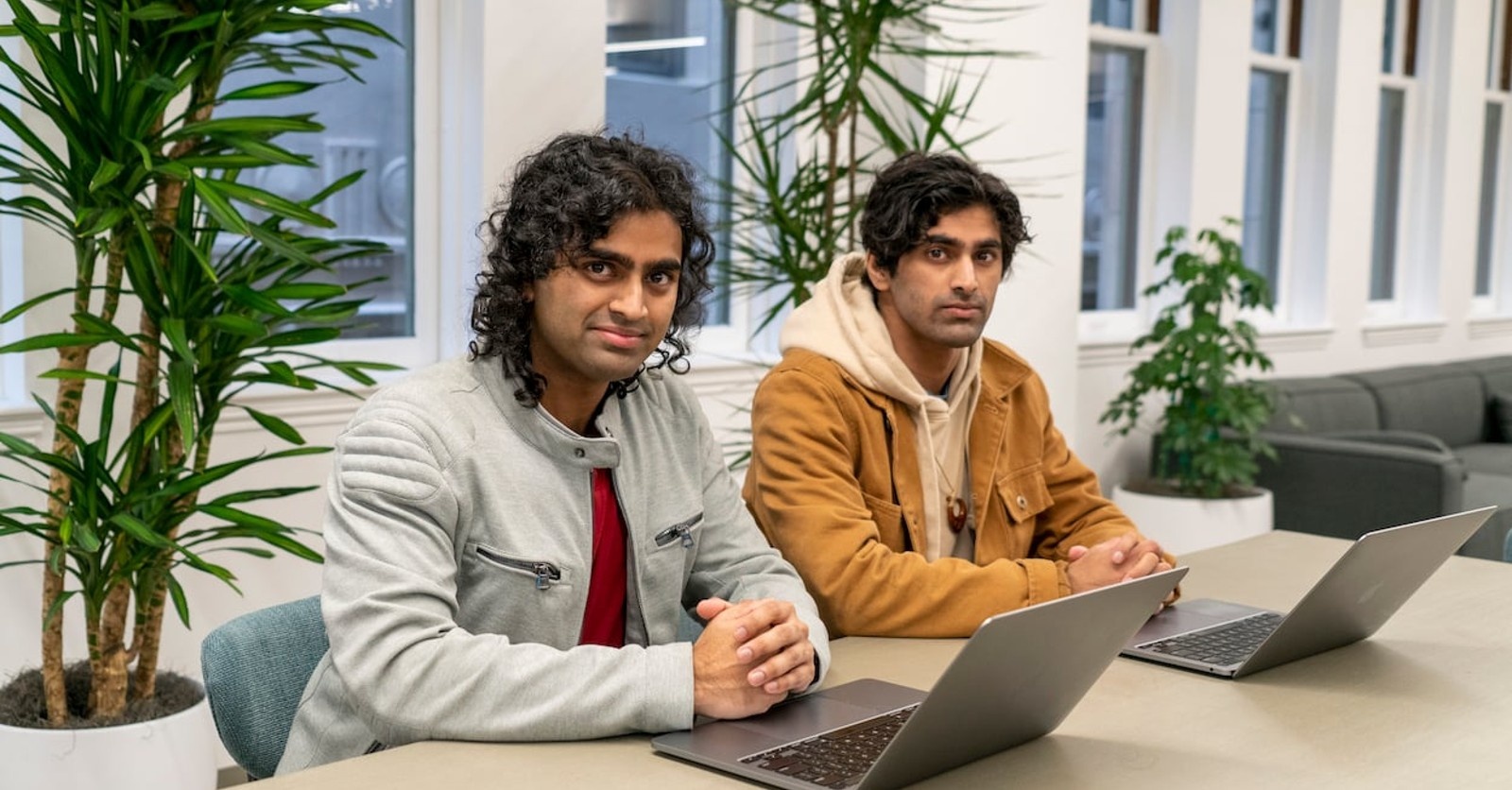
The more revealing detail was Arjun’s description of the intended customer. “We want Cloaked to be something our mom can use.” It set an unusually practical standard for a security product. People who understand privacy deeply can assemble several tools. People who simply want fewer unwanted calls need an arrangement they will remember to use.
“We want Cloaked to be something our mom can use.”Arjun Bhatnagar · January 2022
Cloaked exited beta in October 2023. By its March 2026 financing announcement, it reported more than 350,000 subscribers. The current About page describes over 400,000 users, a different measure. The numbers should not be stitched into a growth chart. They do suggest an audience beyond privacy enthusiasts: ordinary consumers willing to pay for less exposure.
The price of fewer relationships
On its website, the Individual plan costs $14.99 month to month, or $119.99 billed annually. Couple and four-person Family plans add household coverage. Those are subscription prices checked in October 2026; the free scan is a diagnosis, not free treatment. The business depends on people finding enough continuing value to renew.
The bundle now includes Call Guard, which uses AI to screen unknown callers and supplies transcripts, dark web and Social Security number monitoring, a VPN, and up to $1 million in identity theft insurance, subject to coverage terms. Cloaked Pay offers masked virtual cards, but remains beta and invite-only. An announced feature is not universal access.
Competitors approach portions of this problem from different directions. DeleteMe, Incogni and Optery focus on removal; Aura and LifeLock occupy the broader identity-protection market. Cloaked’s proposition connects preventive aliases with cleanup and everyday communications. Whether the bundle earns its price depends on which of those jobs a customer will actually use.
The next address book is at work
In March 2026, Cloaked announced $375 million in Series B funding and growth financing, with General Catalyst and Liberty City Ventures leading the Series B. The combined figure should not be mistaken for disclosed equity alone. The money supports consumer growth and deeper enterprise tools. Employer-provided accounts extend the audience while introducing another question: what does the employer see?
Cloaked’s privacy policy says employers can see limited account information, including activation and enabled features, but not vault contents, aliases or communications. That boundary is part of the product. So is the trust required to supply personal details for removal requests. Encryption and published security credentials help customers assess that trust; they do not abolish the need for it.
The useful habit to borrow is modest: give optional relationships separate contact details, keep them labelled, and check that important messages arrive before relying on them. Cleanup then tackles the older trail. Cloaked’s wager is that privacy becomes easier when every shop stops inheriting the same lifelong invitation to call.