There is a school district, unnamed in Caissa K12's public case study, with a wonderfully clean problem. It had 1,700 students. Another 1,700 children in the same area attended mostly charter schools. Three district schools - one elementary, one middle, one high - were competing against an alternative system exactly their own size. The district wanted 50 students back.
Caissa did not begin with a slogan. It researched the schools, found the objections, walked neighborhoods, showed up at sporting events, enlisted grocery stores, and fenced digital ads around the people it hoped to reach. The company says the campaign recruited 102 students in 2020. That little case contains the Caissa thesis: public schools do not merely have an education problem. They have a field-operations problem.
An undecided voter with a backpack
Caissa K12 grew out of Caissa Public Strategy, the Memphis firm Brian J. Stephens and Paige Walkup built from a law practice. The parent company worked in political strategy, public relations, community outreach, and crisis management. Its education business carried the habits of a campaign into a place that had rarely needed them.
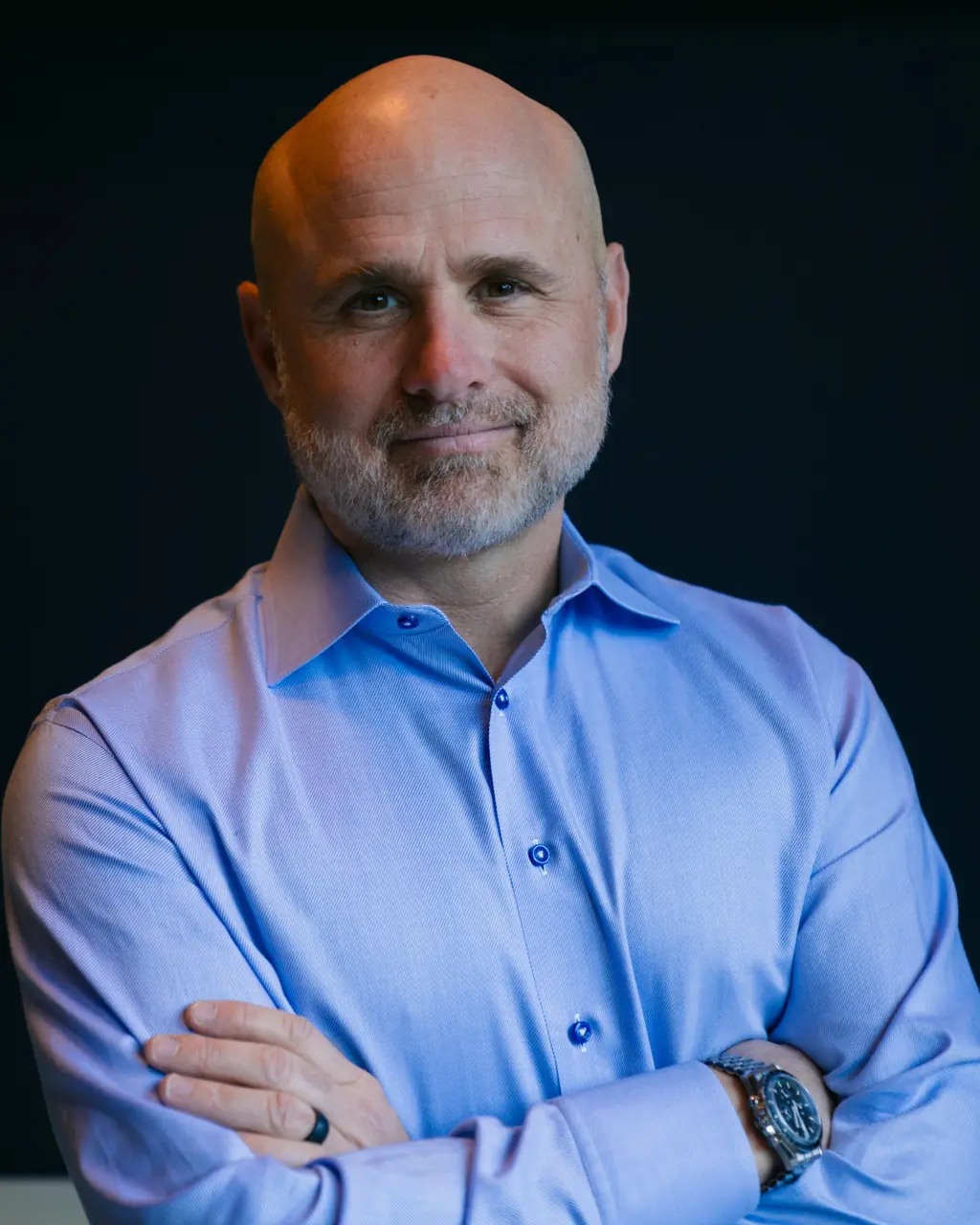

A political campaign assumes the public is distracted, choices are competitive, and support must be identified person by person. A school district historically assumed something almost opposite: families inside the boundary would appear. Charter schools, private-school vouchers, home schooling, population shifts, and a declining birthrate broke that assumption. Stephens supplied the blunt diagnosis: “The monopoly is over.”
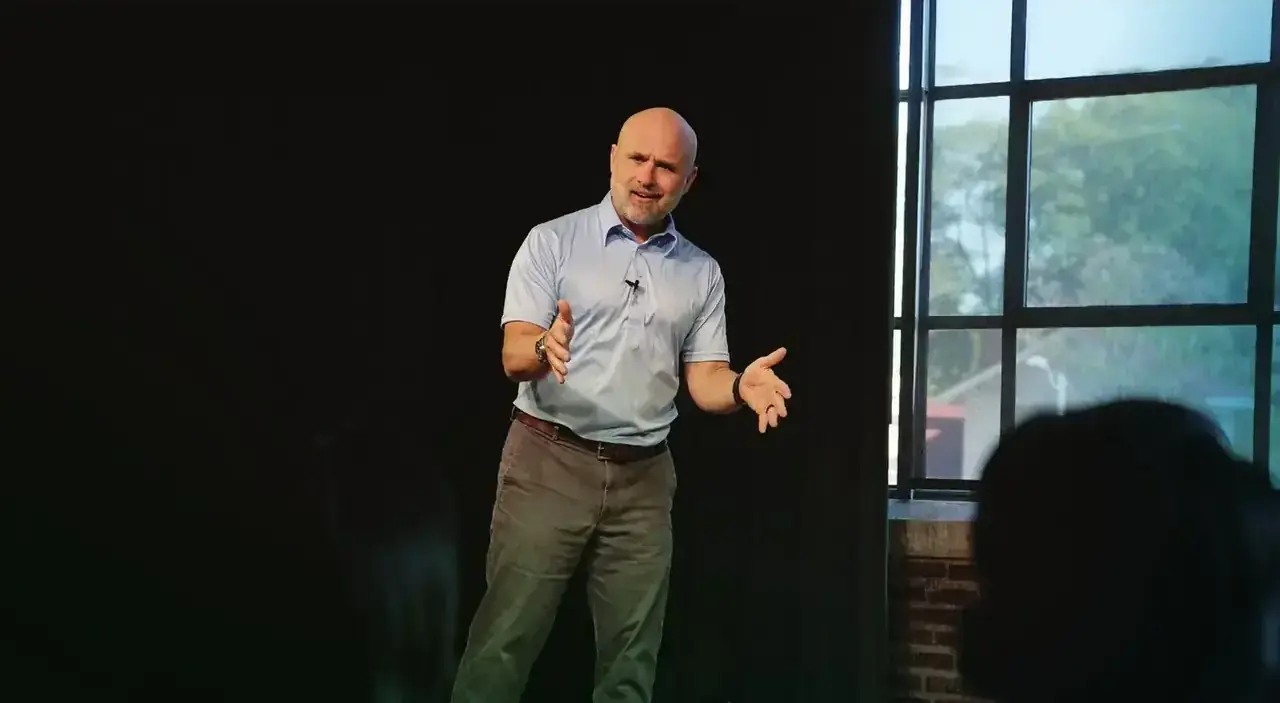
The customer is the public school district. The people being persuaded are families who left, might leave, moved nearby, missed registration, or stopped showing up. Caissa researches why, builds target lists, and reaches out through calls, texts, email, digital advertising, events, backpack materials, pickup lines, and door knocks. Then it helps the interested parent finish the administrative journey. The last part matters. A cheerful ad cannot rescue a registration portal that feels like tax software.
The enrollment field operation
The first theory is often wrong
In one mid-sized district after the first COVID shutdown, students were missing. The obvious label was truancy, which puts the failure on the child. Caissa gathered student data, built a contact sheet, called families, visited homes when phones failed, and discovered a different story. The absences were driven by miscommunication and safety concerns, not deliberate defiance. The campaign had aimed to return 50 students in nearly four months. Caissa reported bringing back more than 80.
That is the useful move: replace the category with a conversation. “Chronically absent” is a database state. It does not tell you whether the family is anxious, confused, traveling, struggling with mental health, or unable to get a useful answer from the front office. Caissa's attendance work uses live calls, texts, email, scripted conversations, and follow-through by a care team. The technology is ordinary. The persistence is the product.
“Caissa's work requires anywhere from nine to 22 contacts with parents in order to get them to return.”Adrian Bond, president of Caissa K12
Persistence also explains what happened when the pandemic killed a conventional ground campaign. Caissa had planned to knock on doors and recruit 90 students into four schools over two months. Shutdowns made the plan impossible. The team shifted to interactive flyers, video, audio, and frequent digital updates about how the district was responding. Caissa says more than 400 students enrolled. The channel changed because the constraint changed; the named objective did not.
A price attached to the result
The most distinctive part of Caissa K12 is not the door knocking. It is the invoice. Public reporting puts the recruitment fee between $935 and roughly $1,600 for each student the company helps enroll. If no student enrolls, Caissa says the district owes nothing for recruitment. Research, training, and secret-shopper evaluations can be bought separately.
per recruited student in Spring Branch ISD
per student, leaving room for a positive return after the fee
Spring Branch said Caissa helped enroll 164 students in one school year and 223 the next. After the company received its $935 per student, the district reported a net 2025 funding boost of $856,900. Indianapolis Public Schools spent $269,600 across a two-year engagement and credited the campaign with nearly 400 recruits. A Washington Township contract priced recruitment at $953 per student and secret-shopper work at $31,200.
This is why the pitch lands with administrators. Losing a student does not only make a classroom quieter. In a per-pupil funding system, it removes revenue that pays for teachers, programs, and buildings. Performance pricing turns marketing from a hopeful expense into something closer to a bounty with a measurable ceiling.
The hardest number is the counterfactual
There is still a hard question hiding inside every victory total: how many families would have returned without the campaign? Spring Branch paused its contract while studying exactly that. A recruited student and a correctly attributed student are not automatically the same thing.
Caissa has a second limitation that its own president states neatly. Recruitment is “only a Band-Aid” unless a district also keeps students from leaving through the back door. The method depends on available family contact data, enough district capacity to answer and enroll people, a meaningful funding margin above the acquisition fee, and a school experience families actually want. It is weakest where the address list is poor, the enrollment process cannot change, the available population is fixed, or the product behind the message disappoints.
There is a public-policy objection, too. A campaign may help one district without increasing the total number of children. It can move a student - and the attached funding - from one school to another. That may be rational for a superintendent and neutral for the broader system. Caissa's bet is narrower: if choice already exists, public schools should not compete with one hand tied behind their backs.
The parts worth stealing
A district does not need a national contractor to learn from the playbook. The transferable ideas are procedural, almost stubbornly so:
- Interview families before writing the message. The first explanation for leaving may be wrong.
- Track people, not impressions. A million views are less useful than one completed registration.
- Make several kinds of contact. The call, text, event, and doorstep reach different moments.
- Audit the handoff. Secret-shop the phone call and simplify the form that follows the ad.
- Open registration before competitors lock in a choice, then remind families to finish.
- Separate recruitment from retention. Winning a student twice is more expensive than keeping one.
By 2025, Caissa K12 had more than 100 district clients, according to national reporting. The company said its work added more than $57 million to public-school budgets in a year and nearly $200 million over five years. Those larger figures are company claims, but the business beneath them is easy to understand. Caissa found a category that public schools had not needed when attendance was assumed: the enrollment closer.
The empty desk is Caissa's unit of drama. To a teacher, it is a missing child. To a finance office, it is missing revenue. To a political strategist, it is an undecided household that has not yet been asked in the right way, often enough. The company built its business by insisting those are not three separate facts. They are one name on one list, waiting for the next call.
Keep following the campaign
Company channels, reporting, case studies, and conversations with public-school leaders.