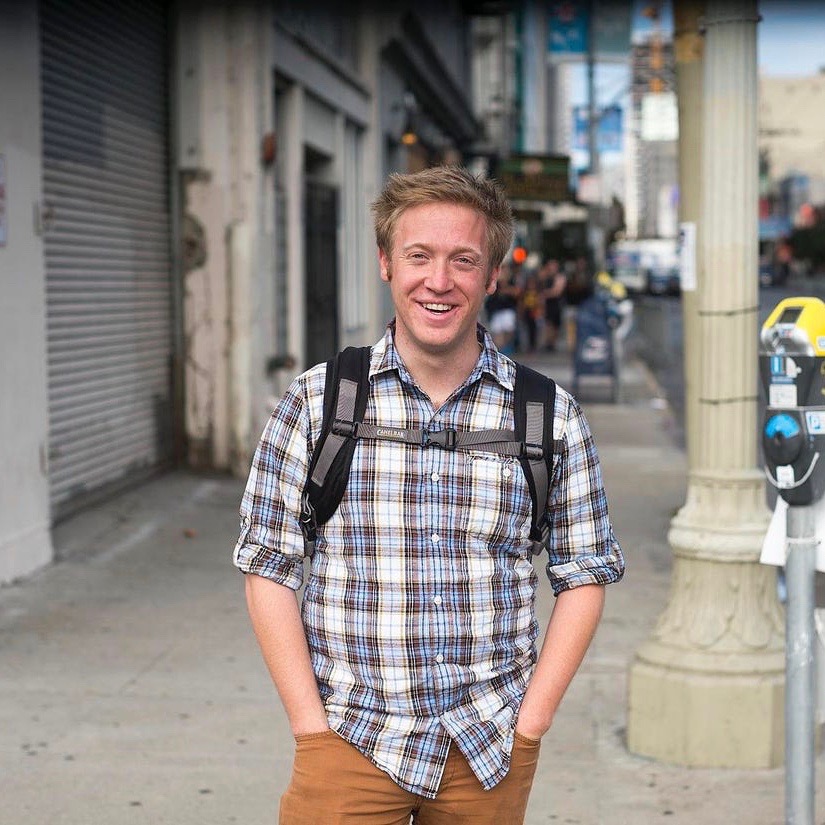
From Donetsk to Downtown Austin
The Ukraine Years
In 2008, Austen Allred was nineteen years old and on a two-year LDS mission in Donetsk, Ukraine - a hard-coal city in eastern Ukraine where, in 2008, the post-Soviet economy had not yet been replaced by anything more hopeful. Locals, unable to process the concept of a young American volunteering to be there, landed on two explanations: spy or coal miner. He was neither. He was learning to work long hours for invisible returns, to measure effort by process rather than outcome, to stay in a place that pushed back hard.
He came back fluent in Russian and with a threshold for difficulty that most founders never have to develop. That threshold - call it the Donetsk baseline - is the invisible variable in everything that came after.
The Growth Years
Back in Utah, then in San Francisco, he did the rounds: growth marketing, digital agencies, a fintech. He co-founded GrassWire, a crowdsourced real-time newsroom that wanted to let regular people control news narratives - it was covered in Fortune and failed to close a funding round. He co-wrote a growth hacking ebook that sold $33,000 in a week. He drove to Silicon Valley in a two-door Civic, ran out of money for rent, and slept in the car while showering at the YMCA and coding at a co-working space. This last detail became the story's spine - though critics later argued that voluntarily car-camping at 25 while bootstrapping a startup is different from actual housing insecurity. Maybe. The instinct, though, was genuine: figure it out, don't leave.
The Lambda Years
Lambda School launched in 2017. The idea was direct: people who wanted to learn to code couldn't afford tuition upfront, and traditional student loans came with no downside risk for the school, which got paid regardless of whether the student got a job. ISAs flipped this. You train with us, pay nothing until you're employed at $50K+, then share 17% of income for two years, capped at $30K. The school only profits if you profit. "We don't get paid until you do" became the brand's heartbeat.
Y Combinator admitted them in S17. The seed round came in. Then a Series A. Then a $30M Series B with Google Ventures and Ashton Kutcher. Then a $74M Series C. Then the layoffs - three rounds across 2020 to 2023. Then the CFPB investigation that found those ISAs had been secretly sold to hedge funds while students were told they were "not loans." The CFPB's April 2024 consent order was unambiguous: hidden loan costs, deceptive marketing, illegal structure. $100K personal fine, ten-year lending ban, permanent prohibition on consumer lending for the company.