She offered to help a grieving friend with a to-do list. It took 900 hours. So she built the machine that does it instead.
Most fintech wants your attention while you are building wealth. Alexandra Mysoor built hers for the moment it leaves you - when a parent dies and the inbox fills with banks, insurers, lawyers, CPAs, and government forms that nobody taught you to read.
Mysoor is the co-founder and CEO of Alix, an AI-powered estate settlement platform she describes as the first and only automated wealth-transfer solution. The pitch is unglamorous and enormous: after someone dies, a survivor - usually a daughter, usually already exhausted - inherits a list of more than a hundred tasks and somewhere between 600 and 900 hours of work. Alix carries that list. It coordinates the institutions, files the paperwork, and stands between a grieving family and the bureaucracy that does not pause for grief.
She founded the company in 2022 with Hugh Tamassia, a technologist who held senior roles at JPMorgan Chase and AIG and was a CTO-level leader at Acorns. In July 2025 they closed an oversubscribed $20 million Series A from Acrew Capital, Charles Schwab and Edward Jones Ventures, with Initialized Capital and others piling in. The names matter: the incumbents of American wealth are betting on the company built to handle what happens when that wealth changes hands.
Her framing of the opportunity is blunt. "In the next 20 years, 70 million baby boomers will transfer $84 trillion in wealth in the US alone," she has said. The number is the market. The 900 hours is the wedge. And the ambition behind both is unsubtle: she wants Alix to become "the largest, most empathetic financial services company in the world."
That word - empathetic - is doing real work in a sentence about a fintech. Mysoor noticed something the spreadsheets miss. Only about a third of Americans who could do estate planning actually do it, and she decided that number was not going to move, because people are bad at making decisions about their own death. So she stopped trying to fix the planning. She went to the other side of the event, to the survivors, where the need is undeniable and the timing is brutally clear.
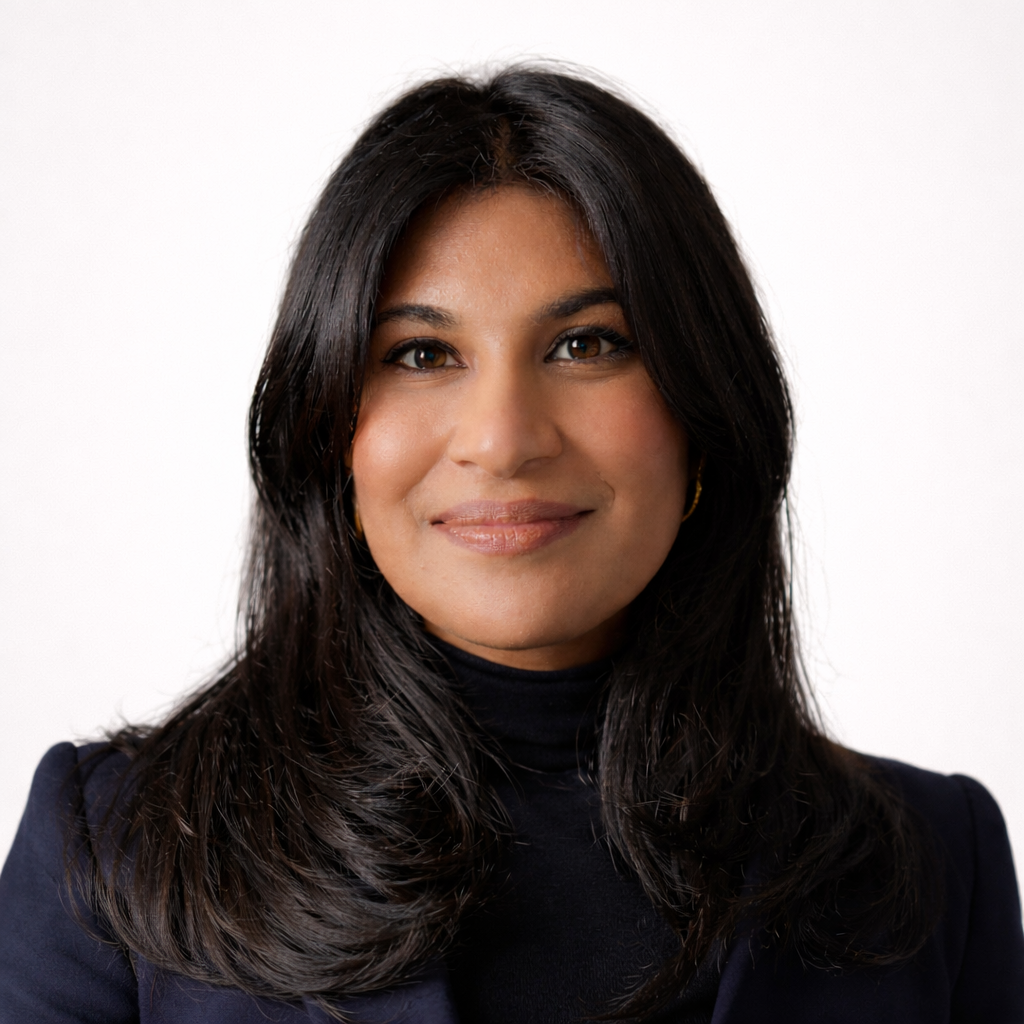
I wanted to bring families the certainty and support they deserve when they need it most.
In early 2022 she volunteered for what sounded like a favor.
Her best friend's mother had died. Mysoor offered to take the to-do list off her friend's hands - the calls, the forms, the accounts to close. A few weeks of errands, she figured. It became 900 hours spread across 18 months: unresponsive lawyers, unhelpful banks, countless administrative hurdles, each one requiring her to learn a system that assumed she already knew it.
She is not someone who lacks resources or stamina. For two decades she had launched and scaled more than a half-dozen multi-channel consumer brands, and she had run Mysoor Industries, a global manufacturing, trading and investment firm of her own. If estate settlement could flatten her, it was flattening everyone. And it was landing hardest on women, who disproportionately inherit the unpaid administrative labor of death.
The detail that turned a bad experience into a company was older than the experience itself. At UC Berkeley, Mysoor had studied neural networks and cognitive neuroscience - an early fascination with using machines to tame real-world complexity. Decades later, sitting inside the worst paperwork of her life, the two halves of her resume met. The AI she had once studied in the abstract had a job to do.
Twenty years of building before estate settlement ever entered the picture.
Long before the term "wealth tech" existed, Mysoor was a brand builder. She launched and scaled more than half a dozen consumer brands across multiple channels, learning the unglamorous mechanics of demand, distribution and trust that most founders only theorize about. Then she ran Mysoor Industries, a global firm spanning manufacturing, trading and investment - the kind of operation that teaches you how money actually moves across borders and balance sheets.
That operating history is why the Series A names read like a who's-who of American finance rather than a list of growth funds chasing a trend. She also brought a board seat to the table: since 2021 she has served on the Board of Directors of Security National Financial Corporation, a public company in life insurance, funeral services and mortgage lending. It is hard to imagine a more on-the-nose apprenticeship for a founder building at the intersection of death and money.
Her work has been covered by Fortune, NPR, Vogue, Inc., CNBC, HuffPost and the San Jose Mercury News, and she was named to Inc.'s Female Founders list. But the throughline across the brands, the industrial firm, the board seat and Alix is not the industries. It is a temperament: find the ordinary thing everyone tolerates, and refuse to tolerate it.
Asked what makes founders go the distance, she skips passion. "Curiosity drives you to solve problems, to build something from nothing." Passion burns out. Curiosity keeps asking the next question.
"In the next 20 years, 70 million baby boomers will transfer $84 trillion in wealth in the US alone." The largest intergenerational handoff in history - and almost nobody is building for the handoff itself.
She wants Alix to become "the largest, most empathetic financial services company in the world." Two words rarely used in the same sentence - and the whole bet sits in the gap between them.
Every new Alix employee gets a geode - an ordinary-looking rock that hides crystal inside. The point is the whole company in one object: value is hiding in the spaces everyone walks past.
She is a trained Kathak dancer, the classical North Indian form built on rhythm, spin and storytelling through the feet.
She is an unabashed supporter of her son's film productions - a stage parent for the indie set.
Her co-founder Hugh Tamassia ran technology at the scale of Acorns, JPMorgan Chase and AIG before betting on estate settlement with her.
"The data behind estate settlement"
Mysoor breaks down what the numbers actually say about the time, the burden and the gender skew of settling an estate - and why she thinks the after is a bigger opportunity than the planning.
Sources: Initialized Capital Founder Spotlight, meetalix.com, BusinessWire, Inc., The Org, Raise Summit, Alumni Ventures "Tech Optimist." Facts drawn from public reporting and Alix's own materials.