A house can be ready for its close-up while its marketing is still in pieces. The photographs are in one folder. The video needs an edit. Someone is waiting for the floor plan, and the agent has promised the seller a website. Aerial Canvas has built its offer around that collection of unfinished business: book a property shoot, buy a coordinated set of assets, and have a team responsible for getting them out the door.
The California agency works in a field where the glamorous output can obscure the practical job. Its cameras visit homes worth looking at. Its customers need those images to arrive in useful formats, on a predictable schedule, with someone available when plans change. The interesting product is the finished listing campaign. The photograph is how most people meet it.
A storage unit, then a division of labor
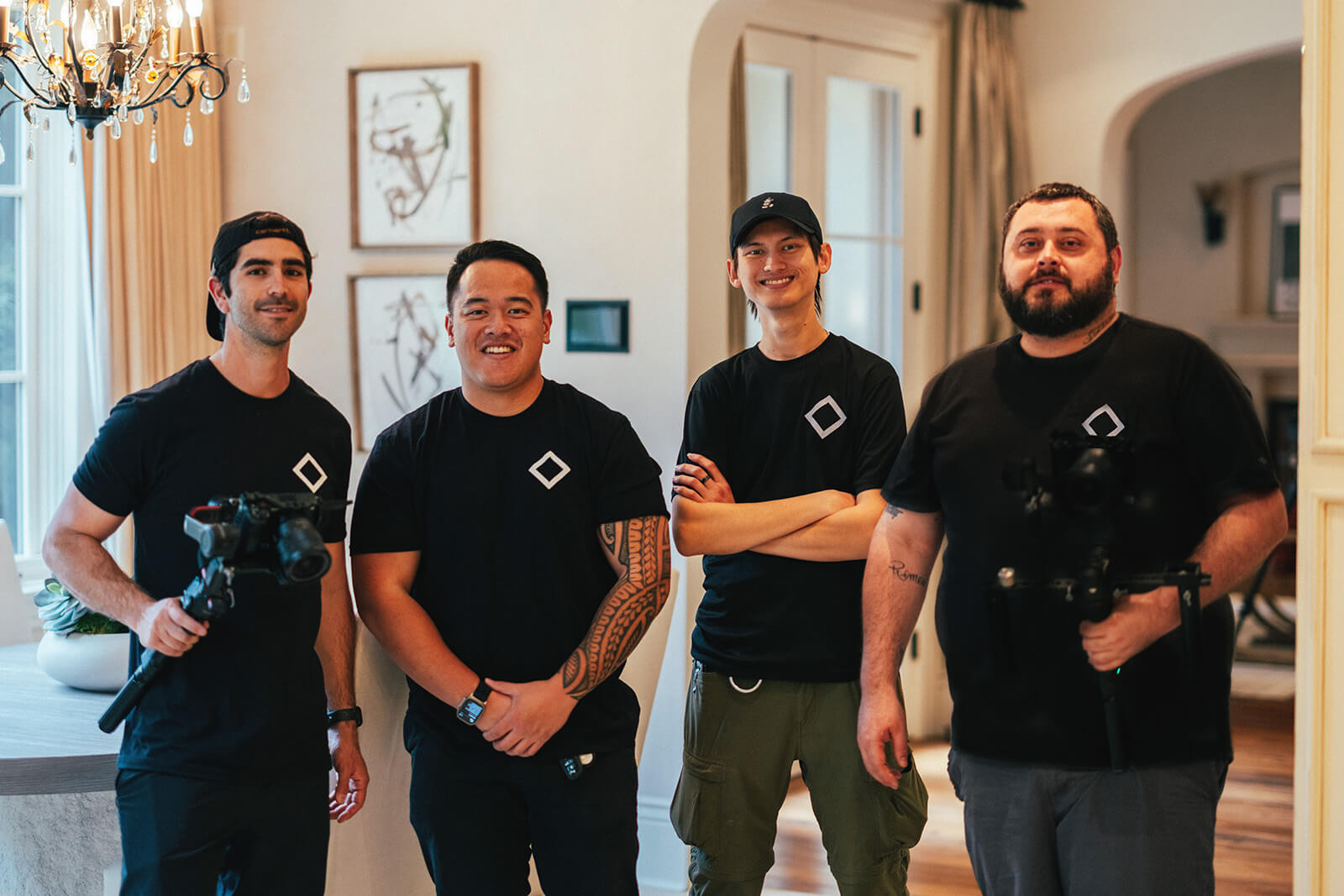
Aerial Canvas dates its founding to 2017. Colby Johnson started the business; Brendan Hsu says he joined in 2018, when it was a roughly $10,000-a-month operation working out of a storage unit. The company now lists both men as co-founders. Hsu’s account of joining is refreshingly physical: an existing operation, a partner with creative ability, and a business that needed help growing.
A September 2020 profile in Silicon Valley Real Producers described Johnson inviting Hsu to California from Illinois. Hsu brought experience building another service business. The attraction was a complementary partnership: someone to develop the work and someone to develop the business around it. That distinction matters in a company where making the images and selling the next assignment can each consume a working day.
“Colby - he’s the founder, and I’m the catalyst”
Brendan Hsu · Silicon Valley Real Producers, 2020
Hsu now describes an operation spanning four California markets and a shift in his own work toward advising as other leaders took responsibility for daily operations. It is a recognizable ambition for a creative founder: build something that can keep a promise without requiring your personal presence at every shoot.
The bundle is the business
The Premier Package makes the proposition tangible. It combines interior and exterior photography, drone imagery, a Matterport tour, a one-to-two-minute cinematic video and a dedicated listing website. Customers choose between a 2D floor plan and a shorter vertical social edit. The website collects the work in one destination instead of leaving the agent to assemble a miniature production company for each address.
That choice between a plan and a social edit is revealing. One helps a buyer understand the arrangement of rooms; the other helps an agent introduce the listing on a phone screen. They answer different questions. A sensible purchase starts by deciding which question needs answering, rather than assuming that another asset automatically makes the campaign better.
Other bundles change the emphasis. The Care offering centers on the core listing job, while Luxury adds a more extensive presentation. Essential and Social Edge offer different routes through the menu. Alongside them sits a broad service list: twilight photography, virtual staging, CGI renderings, illustrated aerial images and listing copy. An agent can buy individual services as well as a package.
The company says more than 1,000 agents and companies count on its work. Its customers include individual agents and teams, with public testimonials from Compass agents Rabia Alizai and Jonathan Spencer and from Caroline Huo of the Caroline Huo Group. Those endorsements are useful evidence of the intended buyer: a professional whose own reputation is attached to the finished presentation.
One property. Several deliverables. Two audiences: today’s buyers and tomorrow’s sellers.
What the camera bill leaves out
In a November 2021 case study, Hsu reported $700,000 in monthly revenue and about 700 listings a month. He described founders taking little pay, reinvesting and borrowing. An approximately $1,000 order, he wrote, produced only 10-15 percent profit. Those are historical, self-reported figures, but they explain the tradeoff: a larger invoice has to support a larger operation.
His first recommended task to hand off was editing. Shooting and then processing every asset becomes difficult at several projects a day. The copyable lesson is to identify the work piling up after delivery promises have been made, then price enough room into the job to have somebody do it.
For customers, today’s public menu is more useful than the growth story. The Bay Area page lists photography from $300, cinematic video from $450, drone photos or video from $250 and a 2D floor plan from $150. These are advertised starting prices checked in September 2026, not a quote for a particular home. Location, size and scope still matter.
Tomorrow has a timetable
Aerial Canvas’s published delivery schedule distinguishes between assets. Photos, 3D tours and listing websites are expected in one business day. Highlight videos take two; cinematic videos, floor plans and some more involved edits take three. For an agent, the useful deadline is the date the required campaign is complete. The earliest arriving file cannot do every other file’s job.
The company’s older booking guidance also makes a practical demand: properties and on-camera participants should be ready for photography. That sounds obvious until a crew’s arrival becomes the moment everyone starts moving furniture. Preparation belongs in the brief. So do access, the rooms that matter, the intended audience and the publication date.
This is where project management earns its place. A business with editors and photographers still needs someone to turn a request into a scheduled job and a job into a delivered campaign. Aerial Canvas’s team page names operations, creative, post-production and project-management leaders. The organization chart is part of the customer proposition, even if it rarely appears in the finished video.
The next seller is watching, too
There is a second transaction hiding inside a listing campaign. An agent markets the current house to buyers while demonstrating to other owners how their homes might be presented. A property website can become a piece of the agent’s portfolio. A polished introduction can make the agent recognizable before the next listing appointment.
Aerial Canvas’s own business writing emphasizes that use of listing sites, along with consultative project managers and a booking portal developed with Tonomo. It also argues for in-house talent and sharing skills among colleagues. The operating preference is clear: train people to deliver a repeatable experience, then make it straightforward for clients to order again.
That is a useful idea for other service businesses to borrow. Define the customer’s complete task in ordinary language. Put a person in charge of the handoffs. Explain what arrives and when. A longer menu becomes helpful when the client can navigate it without acquiring the expertise they hired the company to provide.
A house with a past gets a narrator
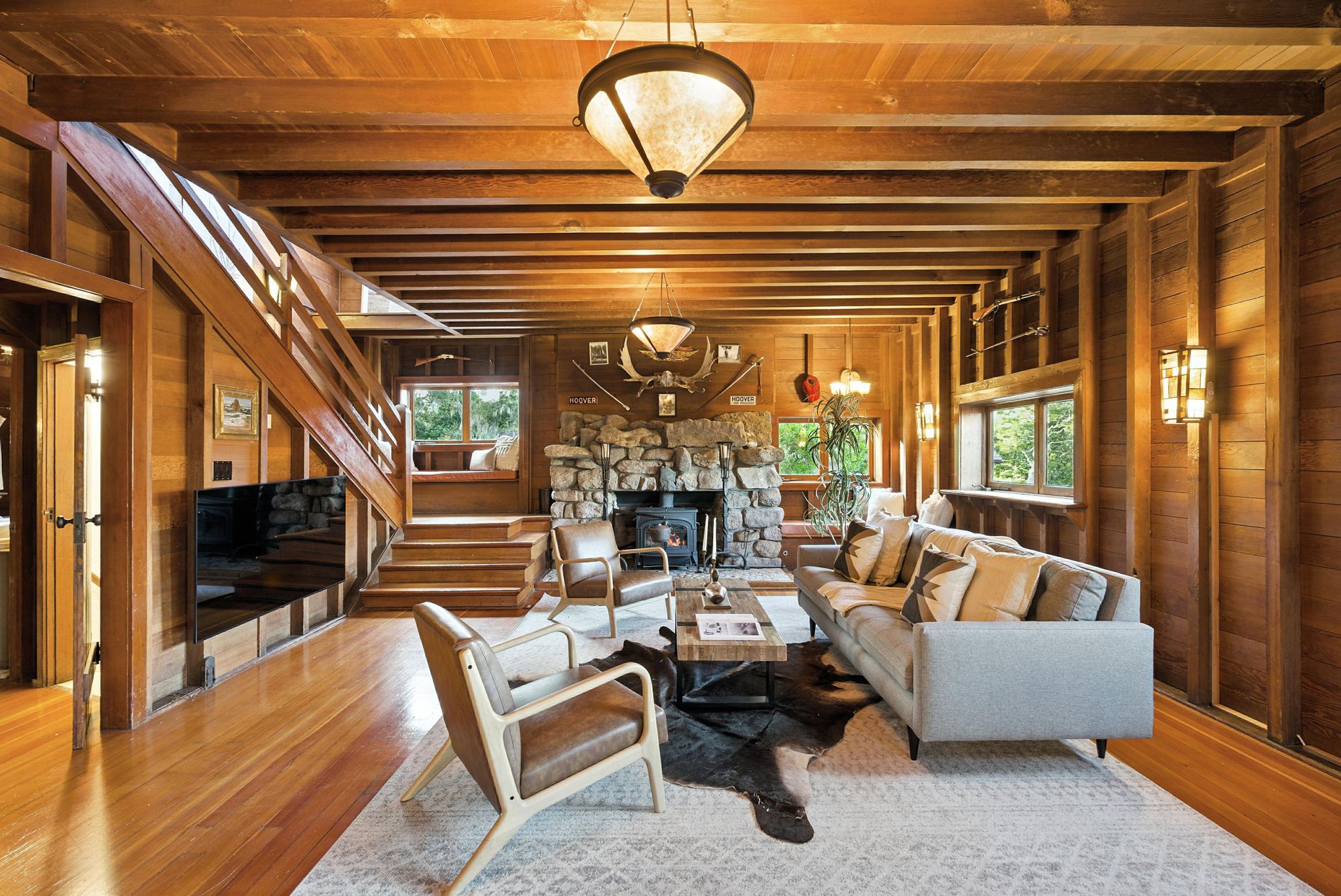
The more distinctive end of the portfolio moves beyond a conventional tour. In June 2026, Aerial Canvas published its account of a documentary-style production about Monterey’s Henry-Hoover House. Local historian Kent Seavey served as narrator. The assignment gave the crew a subject whose appeal included memory and architecture, with a preserved family growth chart among the details described in the project story.
A camera can show a room. A knowledgeable voice can explain why someone should linger there. Bringing a historian into a property film is an editorial choice: the house supplies material, and the production decides what deserves attention. It also gives an agent something more specific to say than another adjective about craftsmanship.
Another June project story, for 3364 17 Mile Drive at Pebble Beach, describes interviews with the people behind the home and a separate lifestyle film. A rooftop pavilion and a golf-course setting supply plenty of visual temptation. The more useful creative question is what an ordinary day there might feel like. That turns a procession of amenities into a sequence a viewer can follow.
The production department describes consultation, scripting and scheduling before filming, followed by editing and review through Frame.io. This is a different workload from photographing an already prepared listing. A customer considering it should have a story worth developing and enough room in the schedule to develop it.
Buy the job your listing actually needs
Aerial Canvas occupies the service-agency part of real estate marketing: people make and manage the content. It overlaps with independent photographers, local production studios and firms such as f8 Real Estate and ListerAssister, which also offer listing media. Bundling alone is not exclusive. The competitive question is how well the provider’s coverage, visual style and coordination fit a particular agent’s work.
A modest listing may need a clear set of photographs more than a lifestyle film. A remote buyer may value spatial understanding more than a social teaser. A builder explaining an unbuilt project has another problem again; Aerial Canvas offers rendering services for that purpose. Buying deliberately means matching the medium to the uncertainty the audience needs resolved.
The arrangement also asks something of the customer. A bundle needs a coherent brief, timely decisions and a property ready to be shown. If the agent wants only a handful of images, the coordination may have less value. If every deliverable requires a different approval process, the convenience depends on settling those responsibilities early. These are practical buying considerations, not promises about a sale: attractive media can explain a property, but the listing still has to make sense to the person considering it.
The agency’s appeal is strongest when several pieces must work together and the client values having a team manage them. Its portfolio offers a useful closing instruction for the buyer: choose a comparable project, examine the whole finished presentation, and work backward to the brief. The property supplies the subject. The value of the agency is getting that subject ready for its audience.