At Arkansas Pediatric Clinic, more than $100,000 sat in refrigerators. It was vaccine inventory: useful, necessary, and unavailable for salaries or a new service until somebody used it. The clinic’s annual vaccine budget exceeded $1 million. A practice devoted to children also had to be very good at financing a small, perishable warehouse.
In February 2024, the clinic partnered with VaxCare. The company bought its on-hand vaccines, releasing $100,000 in capital, and took over inventory management. In a case study published by VaxCare, chief executive Terri Hollis reported an 11% fall in expenses and a doubling of net profit. The clinic raised salaries, addressed staffing shortages, and added a licensed clinical social worker.
Those are the clinic’s reported results, not a promise to every buyer. But they suggest an interesting question: how much of a healthcare practice’s capacity is trapped in the machinery required to deliver care?
- VaxCare finances and manages vaccine stock, then connects each dose to eligibility, documentation, and payment.
- Practices avoid upfront vaccine purchasing. VaxCare keeps part of the dose margin.
- Its customers range from independent pediatric offices to health systems coordinating many clinics.
- The same operating idea now supports contraceptive inventory and same-day access.
A firehouse makes a suggestion
VaxCare’s history starts with on-site flu clinics in Central Florida senior communities. The company handled the logistical tangle itself. Then a local firehouse asked for an arrangement: its people would administer the shots if VaxCare did everything around them.
The request changed the assignment. VaxCare could specialize in logistics while other professionals delivered care. An approach tested locally later attracted the Indiana State Department of Health. Manufacturer relationships expanded the offering beyond flu, and a patient eligibility portal added a digital layer. During the company’s 2015-2016 chapter, the Hub became the centerpiece of its move toward technology.
There is a pleasing lack of glamour to this origin. A customer had pointed at the tiresome part and asked somebody else to do it. VaxCare listened.

The invoice behind “no cost”
VaxCare’s vaccine platform combines procurement, inventory management, patient eligibility, charting, and billing. It purchases existing private vaccine inventory and replenishes stock automatically. At the point of care, staff select the patient and scan the vaccine with the Mobile Hub. That scan connects the dose to coverage checks, safety alerts, documentation, and the claim.
The company bills for the vaccine and administration and pays the practice for qualifying doses. Its explanation of the economics is straightforward: VaxCare retains a small percentage of margin on each dose in exchange for taking on the purchasing and financial work. The offer removes upfront product buying from the practice’s budget; the revenue still comes from delivering reimbursable care.
“No cost” therefore needs its object. No upfront vaccine purchasing cost for the practice is different from a declaration that every patient owes nothing. Eligibility and coverage still matter. So does the phrase “qualifying dose,” which appears in the company’s payment promise. A practice assessing the arrangement should understand its payment terms and which encounters qualify.
- 01StockVaxCare purchases inventory
- 02ScanCheck coverage and safety
- 03CareClinician administers
- 04CloseChart, bill, pay, replenish
The expertise here crosses several departmental borders. Supply-chain staff care about stock. Nurses care about the patient and dose. Billing teams care about claims. VaxCare attempts to connect these tasks so that one clinical event leaves a usable record in each part of the business. The barcode scan is the short, visible action; the coordination behind it is the product.
When a bargain disappears between departments
CHRISTUS Health offers the larger version of this problem. VaxCare’s January 2025 case study describes clinics using different, sometimes paper-based inventory processes. Forecasting and ordering happened locally. The central organization struggled to see stock across the network, and shortages sometimes required intervention from its pharmacy team.
The first weakness was visibility. A good purchase price says little about a dose that goes missing, remains unbilled, or creates hours of reconciliation. VaxCare’s health-system pitch addresses this through a standardized workflow across ambulatory locations, dose tracking, automatic ordering, and integration with electronic health records. Its enterprise assessment examines patient access, safety, workflow, and financial performance.
For a small office, the attraction may be cash returned from a fridge. For a health system, it may be comparable information from every fridge. These are different purchasing arguments for the same underlying service: keeping the clinical event and its operational consequences together.
“Expenses have decreased by 11%, and our net profit has doubled.”Terri Hollis, CEO, Arkansas Pediatric Clinic
Reported in VaxCare’s partnership case study
The patient was already coming
VaxCare also operates patient recall programs. In July 2026, it published an analysis of an adult flu SMS program covering more than four million appointments. Patients with an upcoming visit received reminders beforehand. Patients due for vaccination without an appointment received a one-time invitation. The messages came from the practice’s own number.
The reported vaccination rate was 23.62% among adults receiving reminders, compared with 19.84% at clinics without the program. That is a 3.78 percentage-point difference, or about a 19% relative increase. The denominator matters: “19% more” does not mean nineteen additional people vaccinated in every hundred.
Shared bar scale: 0-30%. Company-reported comparison across more than four million appointments; not presented here as randomized evidence.
The practical detail is the timing. The message attaches a preventive service to a visit the patient already plans to make. It gives the patient a reason to ask and the practice a chance to prepare. The comparison is company-reported and does not establish that reminders alone explain the difference between clinics. Still, the intervention is specific enough to examine and copy: identify who is due, connect the prompt to an existing appointment, and send it through a familiar practice channel.
Contraception has a similar waiting room
The company’s contraceptive platform stocks IUDs, implants, and DMPA and checks eligibility at the point of care. VaxCare bills for the product; the practice files the insertion or administration claim. This division differs from its vaccine billing workflow and matters when evaluating the service.
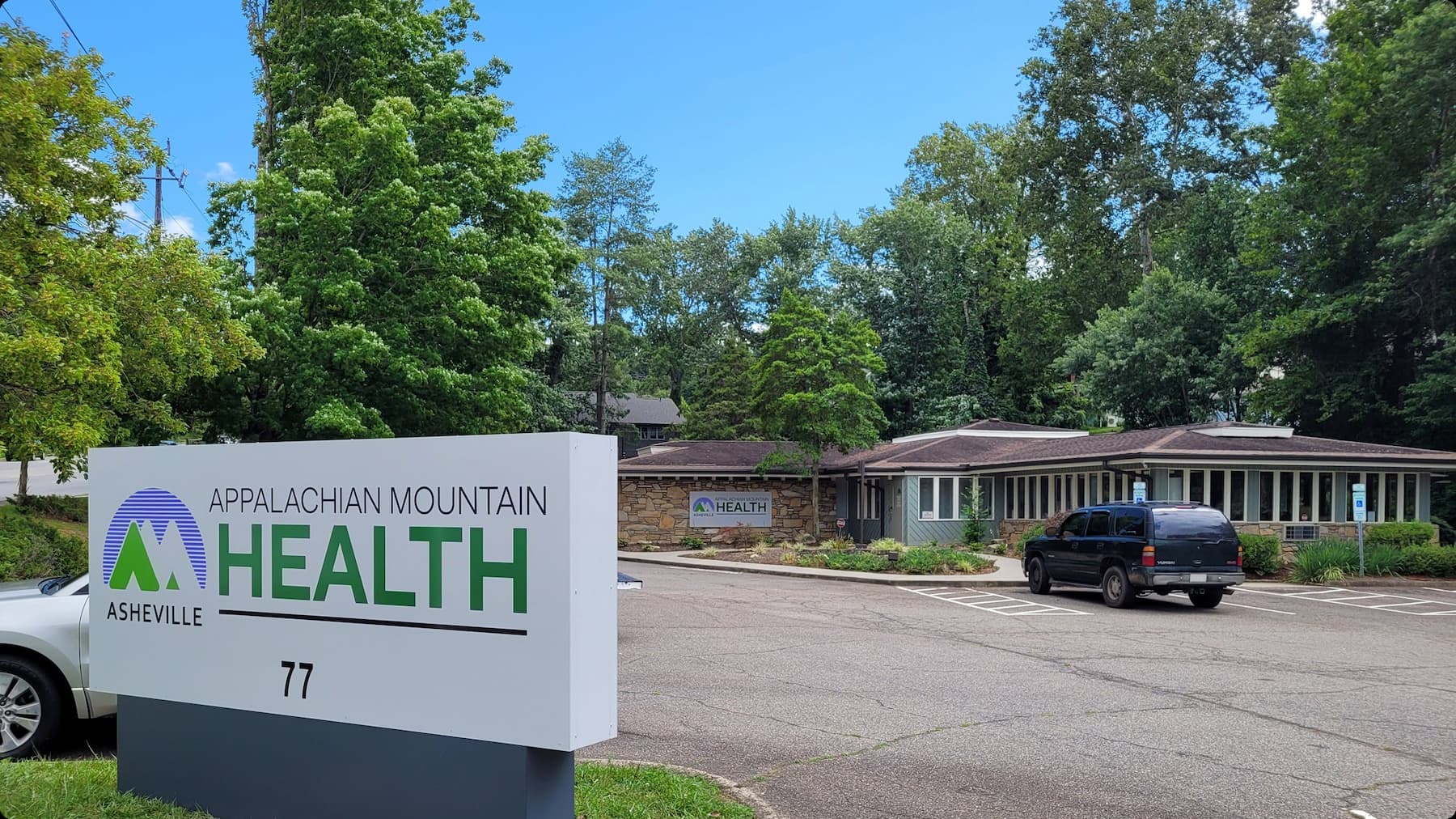
At Appalachian Mountain Health in Western North Carolina, a company-published case study describes a clinician using the Hub to verify coverage for Nexplanon and provide the device the same day. The stock would be replenished automatically. The account also describes expanded contraceptive availability at its Robbinsville location.
Inventory changes the conversation when a patient can choose a product that is actually available. For rural practices, avoiding a return trip can matter. The software supports that possibility; clinicians, patient preferences, coverage, and appropriate care still determine what happens in the room.
What exactly are you buying?
VaxCare sits between healthcare software, medical logistics, and revenue-cycle services. Summit Partners reports more than 21,000 providers and 11 million patients across over 40 states. It invested in 2020. Oregon’s May 2025 review later approved a proposed majority acquisition by Blackstone-associated Act II, whose transaction terms specified a $1.7 billion enterprise value.
The alternatives depend on the job. Canid offers overlapping vaccine management and documentation workflows. TruMed Systems’ AccuVax focuses on vaccine storage, temperature control, inventory, and dispensing checks. A practice can also assemble purchasing, EHR tools, and billing internally. VaxCare’s distinguishing proposition is the combination of those administrative workflows with inventory financing and reimbursement operations.
A practice that already handles these tasks economically should compare the margin it retains today with the payment it would receive under a partnership, alongside staff time and capital tied up in inventory. Accurate patient records, supported integrations, consistent scanning, and dependable physical storage remain necessary. Automating an incomplete record cannot make it complete.
The useful lesson travels beyond vaccines. Follow one unit of care all the way from purchase to payment. Count the money waiting on the shelf, the repeated entries, and the visits deferred because a product or coverage answer is missing. Then decide which work belongs inside the practice and which can be handed off. That is the firehouse’s question, scaled up.