The company building a smartphone that refuses to talk behind your back.
The Scene
Most smartphones are never really asleep. Put a flagship face-down on a cafe table and it keeps whispering - to ad networks, to analytics firms, to whoever paid for the privilege of knowing where you are. The UP Phone, the one product Unplugged has staked its name on, makes a stranger promise: flip a switch on the side and the battery physically disconnects. No whisper. No heartbeat. Off, in the old-fashioned sense of the word.
That single piece of hardware tells you most of what you need to know about the company. Unplugged is not selling a faster camera or a brighter screen. It is selling silence - the increasingly radical idea that a phone can be yours, and only yours.
The Company
Unplugged is a privacy-first technology company headquartered in Las Vegas, Nevada, incorporated in Delaware, and run out of the San Francisco Bay Area. Its mission is unfashionably simple: build a smartphone alternative that protects user data from corporate and government surveillance, without asking people to give up the apps and conveniences that made smartphones addictive in the first place.
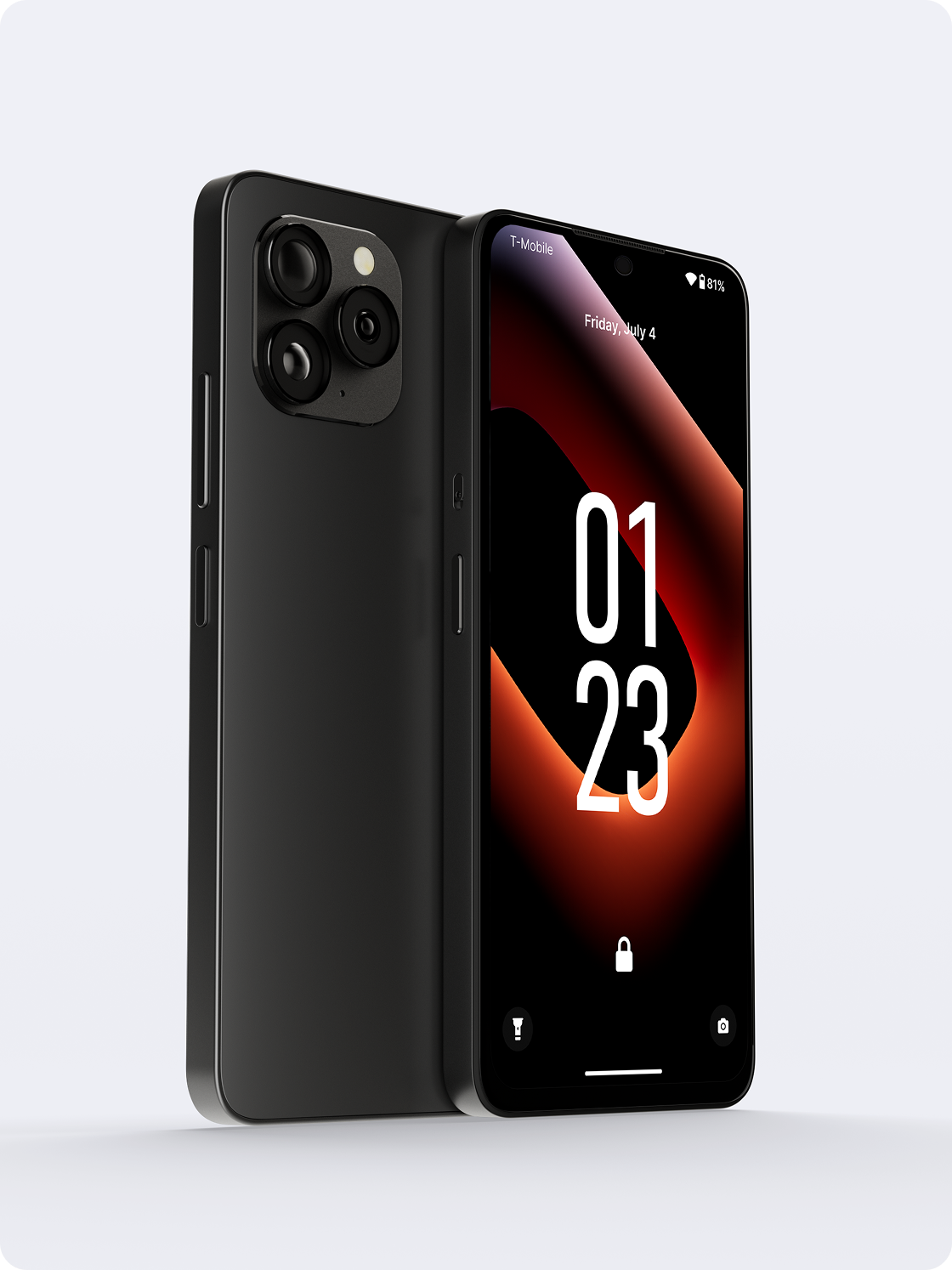
The flagship is the UP Phone. Under the glass runs UnpluggedOS, a fork of open-source Android with Google Mobile Services surgically removed. No Google services means no default pipeline back to Mountain View - and, the company argues, no surveillance baked in at the factory.
Around that operating system, Unplugged stacks the features privacy nerds usually have to assemble themselves: an on-device firewall with a dashboard that names the apps trying to phone home, a no-logs VPN it calls Liberty Mode, encrypted photo and video storage, and an App Center that offers roughly two million apps without routing you through the Play Store.
The business model is the part that makes competitors squint. Unplugged says it earns no revenue from customer data. Money comes from the hardware and an optional privacy-services subscription - not from quietly auctioning your location. Whether that holds is the company's whole reputation to lose.
"Instead of protecting our privacy, devices are subsidized by selling access to our private information."
- JOE WEIL, CEO OF UNPLUGGEDWhat You Can Actually Do With It
A hardware Battery Disconnect Switch physically separates the battery from the circuits. A phone with no power cannot transmit - a software problem answered in hardware.
The on-device firewall blocks third-party trackers and shows a Privacy Dashboard listing every app that tried to reach out.
A built-in, no-logs VPN routes traffic privately and steps around censorship, with Brave shipping as the default browser.
Encrypted photo and video storage, plus offline SD storage up to 1 TB, so your library is not anyone else's training set.
The App Center offers about two million apps with no Play Store gatekeeper - and no Google account to sign in with.
Lost Mode, Emergency Reset and Scheduled Reboot let the phone wipe itself on a passcode and harden on a timer if it ends up in the wrong hands.
The Receipt
The cybersecurity firm Raxis measured how many third-party tracker requests each phone made. The numbers are the marketing - so read them as a vendor-commissioned test, not gospel.
The Cast
Led special projects for Apple Services before joining in 2025 to run the relaunch. Now the public face of the company's privacy pitch.
Runs day-to-day technology, with a background in cybersecurity, encryption, mobile-device development and 3D graphics.
The Blackwater founder who began pitching the device to investors in 2021 - the reason the phone draws both attention and scrutiny.
The Paper Trail
Erik Prince begins privately pitching a privacy-focused smartphone to investors. Unplugged takes shape.
The phone goes public to a wave of press - some admiring, much of it skeptical of the "unhackable" framing.
Unplugged relaunches the UP Phone under new CEO Joe Weil with UnpluggedOS, an on-device firewall and a $989 price. US assembly is announced for later in the year.
The UP Phone launches in the United Kingdom, and lands on Best Buy shelves in the US with in-store pickup.
The Spec Sheet
The Field
Unplugged is not alone in the de-Googling trade. The Purism Librem 5, Murena's /e/OS handsets, and community builds like GrapheneOS and CalyxOS all chase the same privacy-minded buyer. The difference is packaging: most of those require you to be the kind of person who enjoys flashing an operating system. Unplugged wants the firewall, VPN and kill switch to work the moment you take the phone out of the box - a privacy product aimed at people who do not want privacy to be a hobby. The real incumbents, of course, remain the iPhone and the Pixel, the very devices Unplugged is asking you to leave.
From The Margins
Watch
The Scene, Returned
So the phone sits there, switched off, on the cafe table. The difference is that now the silence is real. No background chatter to ad networks, no quiet handshake with a tracker you never agreed to meet. Unplugged did not invent privacy, and the skeptics are right that a single device cannot fix a whole surveillance economy. But it changed one small thing about that table: when the phone says it is off, it means it.
That is a modest promise. In an industry built on the opposite, modest is the radical part.
Pass It On
The Rolodex