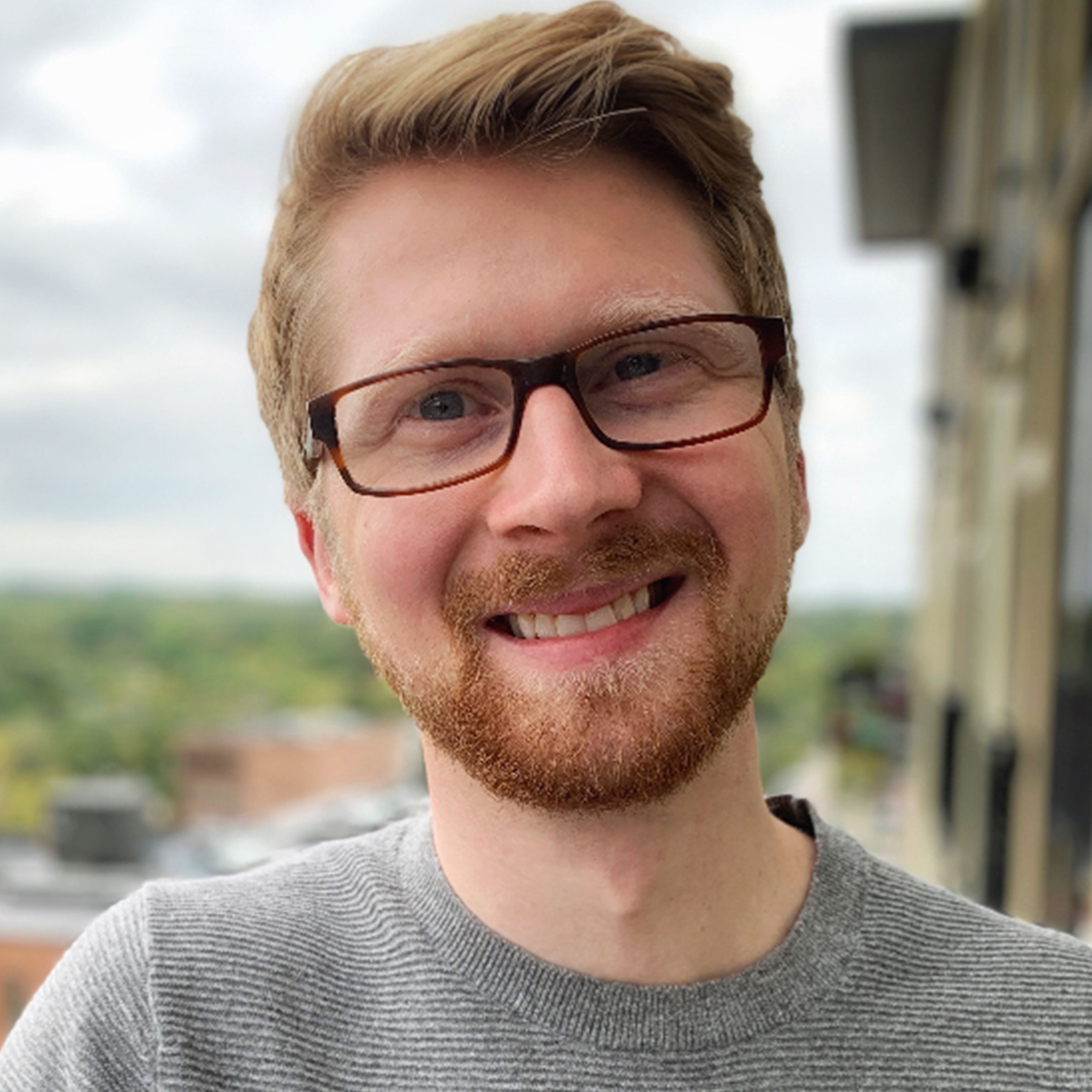
Turner Novak sold his house to intern for free at a VC firm
Banana Capital Fund I hit 1.71x gross MOIC by Q3 2022
The Peel podcast: 113+ episodes and counting
Early backer of BeReal, Linktree, Snackpass, Replit & Substack
202,000+ Twitter followers built entirely through memes and analysis
The Split newsletter: 22,000+ subscribers and growing
Operating from Ann Arbor, Michigan - not San Francisco
Fund named after a fruit. Not a metaphor. Just a banana.
Turner Novak sold his house to intern for free at a VC firm
Banana Capital Fund I hit 1.71x gross MOIC by Q3 2022
The Peel podcast: 113+ episodes and counting
Early backer of BeReal, Linktree, Snackpass, Replit & Substack
202,000+ Twitter followers built entirely through memes and analysis
The Split newsletter: 22,000+ subscribers and growing
Operating from Ann Arbor, Michigan - not San Francisco
Fund named after a fruit. Not a metaphor. Just a banana.
The Origin
The Kid From Winnipeg Who Couldn't Afford Wi-Fi
Turner Novak grew up in Winnipeg, Canada, in a household that cycled through discounted internet trial offers because a steady connection was a luxury. His mother ran a custom wedding dress business and raised him largely on her own. This is not a sad story - it is the founding document of a thesis.
When you grow up without reliable internet access, you understand the internet differently from someone who always had it. You understand what it means when a teenager in Manila or Nairobi or Grand Rapids suddenly gets access to the same feed of ideas as a kid in Palo Alto. That early scarcity became Turner's superpower: an obsessive, almost anthropological interest in how the internet changes behavior.
He moved to Michigan, studied accounting and finance at Grand Valley State University, passed the CFA Level 2 exam, and took a job at a $1.6 billion endowment in Grand Rapids. He was doing exactly what a responsible person from a working-class background is supposed to do. Then Twitter happened.
The Turning Point
In 2018, Turner posted a "fantasy VC portfolio" on Twitter - fake $1M allocations to real startups. A founder with 100,000+ followers praised his analysis publicly. His following exploded. VCs started calling. His path changed.
He had been building something quietly for years: publishing analysis on TikTok, Snapchat, and consumer apps when the consensus was still dismissing them. He called TikTok "the best product I've ever used" before most of Silicon Valley had downloaded it. He was contrarian-bullish on Snapchat when even Snap employees were bearish. These weren't just takes. They were research. And the internet noticed.
Fast Facts
Education
Accounting & Finance, Grand Valley State University; CFA Level II
Base
Ann Arbor, Michigan (by choice)
Fund
Banana Capital - $9.99M Fund I (2021), $20M Fund II
Podcast
The Peel - 113+ episodes, weekly
Newsletter
The Split - 22,000+ subscribers
Email
turner@bananacapital.vc
"Too many people take themselves way too seriously. My job is to meet and build trust with talented and ambitious founders as early as possible."
The Sacrifice
He Sold His House to Intern for Free
1
The Setup
Turner convinces Anamitra Banerji at Afore Capital to let him intern full-time - unpaid, remote, from Michigan. His current salary: comfortable. His future salary: $0.
2
The Bet
He cannot afford the mortgage without income. Solution: sell the house. His family packs up. He walks away from financial stability to prove he belongs in venture capital.
3
The Payoff
The internship leads to a GP role at Gelt VC. Gelt leads to Banana Capital. The house that was sold funded the first steps of a fund that now manages $30M+.
There are plenty of people in venture capital who made bets with other people's money. Turner Novak made a bet with his own house. That is a different caliber of conviction - and it explains something about how he operates Banana Capital. When he moves fast on an investment, it's not because the process is sloppy. It's because he has already spent years developing the conviction that he is willing to stake real skin on.
The best founders don't actually need advice from VCs, at least when it comes to content. So my tweets are either absolute nonsense (memes and shitposts) or detailed thoughts and opinions around late-stage and publicly traded companies. It might be counterintuitive, but I think it attracts the type of founders that want to build similar companies.
- Turner Novak
Banana Capital
A Fund Named After a Fruit
Most venture funds are named to sound serious. Sequoia. Andreessen Horowitz. Benchmark. Turner named his fund after a banana. This is not an accident - it's a thesis statement.
The name signals everything about how Banana Capital operates: irreverent, self-aware, and deliberately different from the institutional VC machinery. Turner is a solo GP with one full-time team member. He does not lead rounds. He takes smaller positions at pre-seed and seed and earns the right to follow on. He operates from Ann Arbor, not Sand Hill Road.
Fund I raised $9.99 million - sized precisely to stay just under the SEC's 100-LP registration threshold. Oversubscribed. Launched during COVID when most LPs were skeptical of first-time managers they couldn't meet in person. By Q3 2022, Fund I had hit 1.71x gross MOIC and 1.52x net TVPI.
Fund II raised $20 million. Average check size grew from $25-300K to up to $1M. Target ownership: up to 5% per company. Geographic scope expanded: 50-75% North America, the rest spread across Europe, Southeast Asia, Latin America, MENA, and Africa. The thesis remained the same: back internet-first founders before anyone else can see what they're building.
Banana Capital Fund Evolution
Fund Structure
Structure
Solo GP - intentional, not default
Management Fee
1.6% blended
Carry
20% standard / 30% at 5x target
Geography
50-75% North America; rest global
Thesis
Internet-first founders
SPVs
Used to deploy larger synthetic checks
The $9.99M Detail
Fund I was sized precisely at $9.99M to stay under the SEC threshold requiring formal registration. Not sloppy - surgical. That's how Turner thinks about structure.
Portfolio
The Companies He Backed Before You Heard of Them
The Banana Capital portfolio is a map of where the internet was going before the consensus arrived. BeReal before it went viral. Snackpass before social commerce was a category. Linktree before every Instagram bio had one. Substack before newsletters were infrastructure.
Turner's early call on consumer apps - especially in social, fintech, and developer tools - was built through years of public writing before he had any capital to deploy. The portfolio is the footnotes to the newsletter.
BeRealConsumer Social
SnackpassSocial Commerce
LinktreeCreator Tools
SubstackMedia / Writing
ReplitDev Tools
AndurilDefense Tech
CompoundWealth Mgmt
OvertimeSports Media
NexHealthHealthcare
ChainguardCybersecurity
SecureframeCompliance
ForageDev Tools
FlexbaseFintech
ExtraFintech Access
NumeralAI / Tax
BottomlessConsumer Sub
JOKRCommerce
FacilyLatAm Commerce
DrivlyAuto Data
MercuryFintech
The Content Engine
How a Meme Account Became a $30M Fund
The standard narrative in venture capital is: go to Stanford, join McKinsey, get to Kleiner Perkins, become a GP. Turner Novak ran a different route: post 🍌 memes on the internet until the founders find you.
This is not as ridiculous as it sounds. Turner's Twitter strategy is precise where it looks random. He publishes two kinds of content: deep-dive analysis of consumer tech companies (TikTok, ByteDance, Pinduoduo, Snapchat, Apple's advertising business) and absolute nonsense. The nonsense is the distribution. The analysis is the product. The combination is the moat.
His reasoning: the best founders, the ones building genuinely ambitious companies, do not need VC advice. They need capital and access to other great founders. So Turner doesn't try to signal expertise - he signals personality. His wife reportedly cringes at some of his internet content. That's probably a sign it's working.
If I want to connect with a founder, I try to make all my content hit that category. That's ultimately the audience - just make good content for your audience.
- Turner Novak on content strategy
The Peel Podcast
113+ episodes of long-form founder and investor conversations. Weekly. The format: go deep on the founding story, the business model, and the counterintuitive things the guest learned that most people don't know.
Guests include Garry Tan (YC), Keith Rabois (Founders Fund), Immad Akhund (Mercury), Sanjit Biswas (Samsara), and Matt Mullenweg (WordPress).
The Split Newsletter
22,000+ subscribers. Deep dives on the companies and trends shaping consumer tech: TikTok's parent ByteDance, Pinduoduo's social commerce model, Apple's advertising flywheel, Substack's network effects.
Turner was writing about TikTok and Chinese internet companies years before they became mainstream VC topics.
Twitter / X
202,000+ followers built through a combination of genuine analysis, sharp memes, and a visible personality that is hard to fake at scale. The fantasy VC portfolio that went viral in 2018 was effectively the starting gun.
His handle includes both a banana emoji 🍌 and a hat emoji 🧢 - internet slang for "no cap," meaning no lies. Which is either ironic or completely honest, depending on your read.
Career Arc
From Endowment Analyst to Internet VC
Turner's path into venture capital has no template. There is no cohort of people who did it the same way. He built a career by doing public analysis before he had a fund, building an audience before he had LP capital, and making unconventional sacrifices at every stage where a rational person would have played it safe.
2014 - 2015
Commercial banking and lending post-graduation. Learns investing fundamentals. Passes CFA Level 2.
2015 - 2019
Investment Analyst at Van Andel Institute, managing a $1.6B endowment portfolio in Grand Rapids, MI. Begins tweeting about consumer tech on the side.
2017 - 2019
Founds TDN Capital LLC, a real estate firm - runs it concurrently with the endowment job. Acquires the house he will later sell.
2018
Fantasy VC portfolio goes viral on Twitter. VCs start reaching out. The path clarifies.
2019
Sells house. Takes unpaid remote internship at Afore Capital. Takes approximately 80% pay cut.
2019 - 2021
GP at Gelt VC. Deploys Fund II. Builds reputation as early consumer tech analyst and "Snapchat bull."
2021
Launches Banana Capital Fund I at $9.99M. Oversubscribed. During COVID. Solo GP.
2022 - 2023
Raises $20M Fund II. Launches The Peel podcast. Expands global reach.
2025 - 2026
xAI SPV. Numeral investment. 202K Twitter followers. 113+ podcast episodes. Still based in Michigan. Still posting memes.
The Thesis
Back "internet-first" founders before geography or pedigree matters
Entry price is one of the few things an investor can actually control - be valuation-disciplined
Speed and conviction over process theater - "you have to go fast"
The key question: "Would I want to work for this founder?"
Incentives drive everything - cite Munger: "Show me the incentive and I'll show you the outcome"
Authenticity and content compound like interest - start early, go deep
The Person
What Turner Novak Is Actually Like
There is a version of Turner Novak's story that gets told as a hustle narrative. Sold his house! Worked for free! Built a fund from memes! That framing misses the actual texture of who he is.
He is, first and foremost, genuinely interested in how things work. The consumer tech deep dives he published on ByteDance, Pinduoduo, and TikTok's algorithm were not calculated content moves - they were the kinds of things you write when you're obsessed with a topic and want to think out loud. The audience was a side effect of the obsession.
He is also funny. Not "VC tries to be relatable on LinkedIn" funny. Actually funny, in a way that reads like someone who grew up on internet culture and never developed a filter for professional self-presentation. His wife reportedly cringes at some of it. He has said this publicly, which is itself a kind of tell.
He is transparent about money in a way that is genuinely unusual for venture. He has published his fund economics, his management fee structure, his carry terms, his MOIC data. This is not naivete - it is a deliberate choice about how to build trust at scale with founders who are more skeptical of VCs than ever.
He operates from Ann Arbor, Michigan, because his family is there and because geography is less relevant than people say. The internet-first thesis is not just an investment framework. It is a personal operating system.
Trait
Chronically Online
His entire career was built through deep internet engagement. Not as a strategy - as a personality trait. He was on TikTok, writing about ByteDance, analyzing Pinduoduo years before it was a VC talking point.
Trait
Radically Transparent
Published fund economics. Talks about mistakes. Writes about what he's learning in real time. In a field defined by information asymmetry, he consistently runs the opposite play.
Trait
Non-Transactional
Prefers genuine friendships over strategic networking. The people who vouched for him early (Blake Robbins' blog post, the founder who praised his Twitter analysis) were people he had connected with authentically, not through a calculated relationship-building program.
In His Own Words
What He Actually Says
"Would I want to work for this founder?"
On evaluating investments
"You have to go fast."
On conviction-based investing
"Show me the incentive and I'll show you the outcome."
Citing Munger
"LinkedIn is not a serious place."
February 2026
"Every investor is trying to make money and they all have a strategy for doing that in an area of expertise. So you just need to think: if I give this person money, will they think they can make a bunch of money?"
On investment strategy
Find Turner Novak
Where to Follow the Signal