When Breaches Cost Ten Million, ServiceNow and Accenture Bet on the Machines
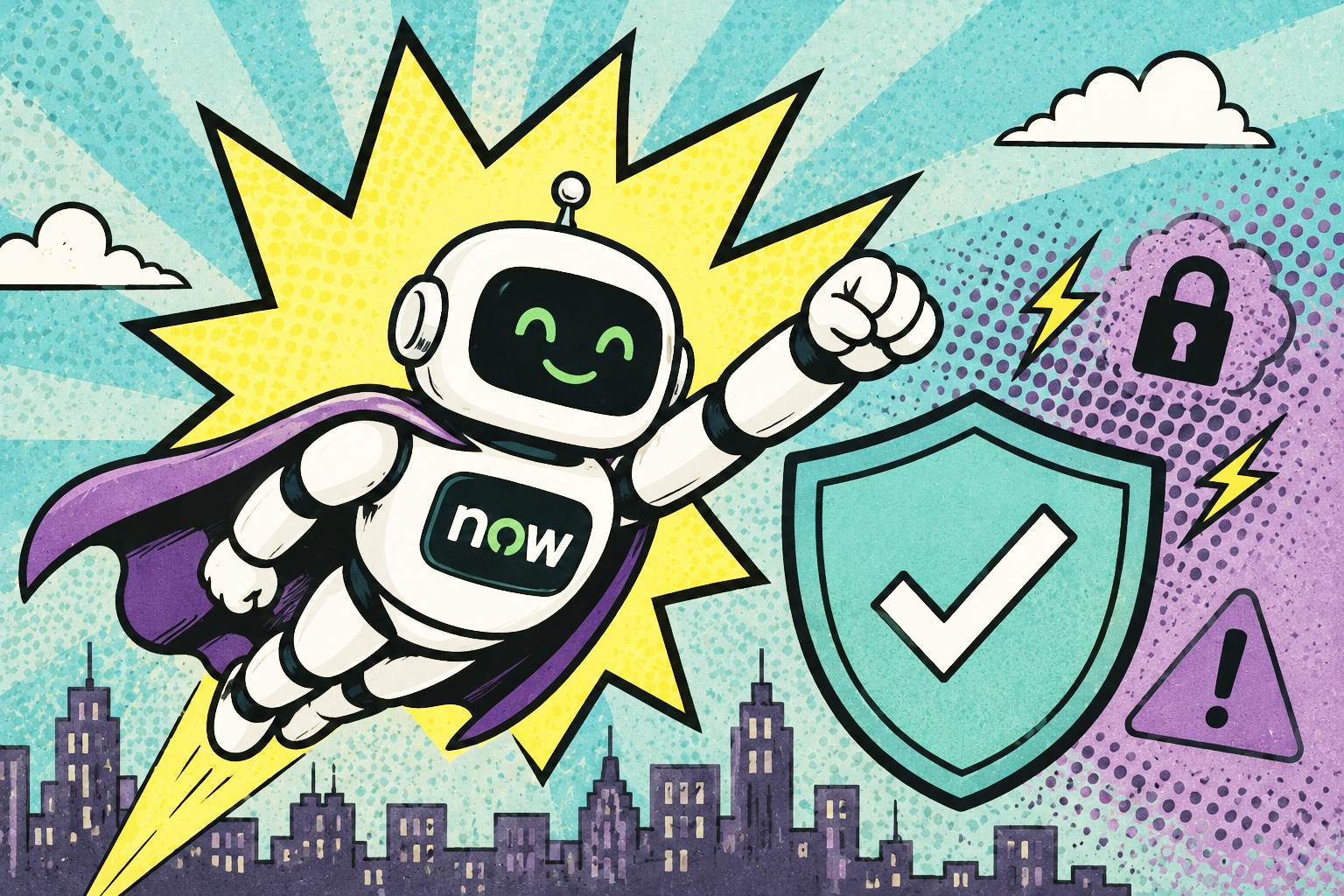
On June 29, 2026, ServiceNow and Accenture announced a joint suite of AI-powered services designed to help enterprises migrate off legacy risk platforms and adopt agentic AI for cybersecurity and risk management. The offering pairs Accenture's managed security services with the ServiceNow AI Platform to deliver unified integrated risk management, third-party and operational technology risk management, proactive compliance, and an AI-powered migration path. The announcement responds to a threat landscape where U.S. data breach costs hit a record $10.22 million per incident in 2025 and AI is compressing the vulnerability-to-exploitation window from months to hours.
Featured
This month's top stories
A Billion Dollars Walks Into a Marketplace and Asks AI to Behave
On May 6, 2026, at its Knowledge 2026 conference in Las Vegas, ServiceNow announced that its transactions through AWS Marketplace had surpassed $1 billion, a milestone the company framed as proof that enterprises have moved from experimenting with AI to operationalizing it at scale. Alongside the number, ServiceNow and AWS unveiled a platform expansion that pairs the ServiceNow AI Control Tower with Amazon Bedrock AgentCore to give mutual customers a single governance architecture for deploying, auditing, and scaling AI agents across security, IT operations, and telecommunications workflows.
When the Workflow Met watsonx: Two Giants Go Hunting for AI's Missing Foundation
On June 11, 2026, ServiceNow and IBM announced an expanded multi-year collaboration aimed at clearing two of the biggest obstacles to enterprise AI at scale: brittle legacy applications and ungoverned, AI-unready data. The companies will deliver joint solutions across three pillars — application modernization, enterprise data governance, and autonomous infrastructure operations — pairing the ServiceNow AI Platform with IBM tools including IBM Bob, watsonx.data, Red Hat Ansible, Instana, and HashiCorp Terraform and Vault. The solutions are expected in the second half of 2026.

ServiceNow Knowledge 2026: The Blueprint for Agentic Business
At ServiceNow's Knowledge 2026 conference, product chief Amit Zavery and a roster of executives, partners, and customers lay out the company's blueprint for the 'agentic business' — an enterprise architecture in which AI agents sense data, decide with business context, act through workflows, and secure every identity, all on a single governed platform. The keynote spans live demos with CVS Health (building a pet-insurance app via 'vibe coding,' an autonomous HR role-transfer, and a coordinated 'autonomous workforce' resolving software-license spikes), a partnership expansion with Google Cloud, and a security push built on the Armis and Veza acquisitions, all anchored by ServiceNow's Context Engine and AI Control Tower.
People
On the ServiceNow team
Fred Luddy
Fred Luddy is the software engineer who founded ServiceNow in 2004, two weeks before his 50th birthday, starting with a single laptop after losing a $35 million fortune in the Peregrine Systems accounting fraud. Originally launched as Glidesoft, the company grew into a cloud workflow giant worth well over $100 billion. A self-taught programmer who dropped out of Indiana University, Luddy served as ServiceNow CEO until 2011, then steered product and an advisory role. He later gave $60 million to Indiana University, whose computing school now bears his name, and turned to philanthropy in rare childhood genetic disease and spreadsheet innovation.

Eric Bensley
Eric Bensley is VP of Product Marketing - CRM at ServiceNow, bringing over 25 years of experience in CRM solutions and enterprise software marketing. A self-described 'recovering perfectionist' and introvert who built product marketing functions at Citrix, Salesforce, and Asana before joining ServiceNow, he is known for translating complex enterprise platforms into crisp, sticky messaging - and for believing that great leaders grow people, not just products.

Bill McDermott
Bill McDermott is the Chairman and CEO of ServiceNow, the enterprise cloud platform company serving nearly 90% of the Fortune 500. After 17 years at Xerox and 17 more at SAP - where he grew market cap from $39 billion to over $156 billion as its first American-born CEO - he joined ServiceNow in 2019 and has since tripled revenues, crossing $10 billion without a single acquisition of revenue or round of layoffs. A self-made entrepreneur who bought a deli at 16, he distills his philosophy into one word: trust.

Gavin King
Gavin King is VP of Portfolio Marketing at ServiceNow, where he connects the platform's sprawling product launches, AI vision, and strategic narrative into one coherent story. After 25 years at Microsoft - including a stint as Chief of Staff to CEO Satya Nadella - he brings a rare combination of brand-scaling experience, executive proximity, and B2B marketing depth to one of enterprise tech's most ambitious growth stories.

Keigo Okumura
Keigo Okumura is Vice President of Marketing at ServiceNow Japan, bringing over two decades of marketing leadership across enterprise technology giants including Oracle, Adobe, Dell Technologies, and Citrix. Based in Japan, he oversees marketing strategy for ServiceNow's Japan region, helping drive the AI-powered workflow platform's expansion in one of the world's most demanding enterprise markets. His career arc - from systems engineer at Hitachi Solutions to VP at a $13B+ cloud company - reflects a rare blend of technical grounding and strategic marketing acumen.
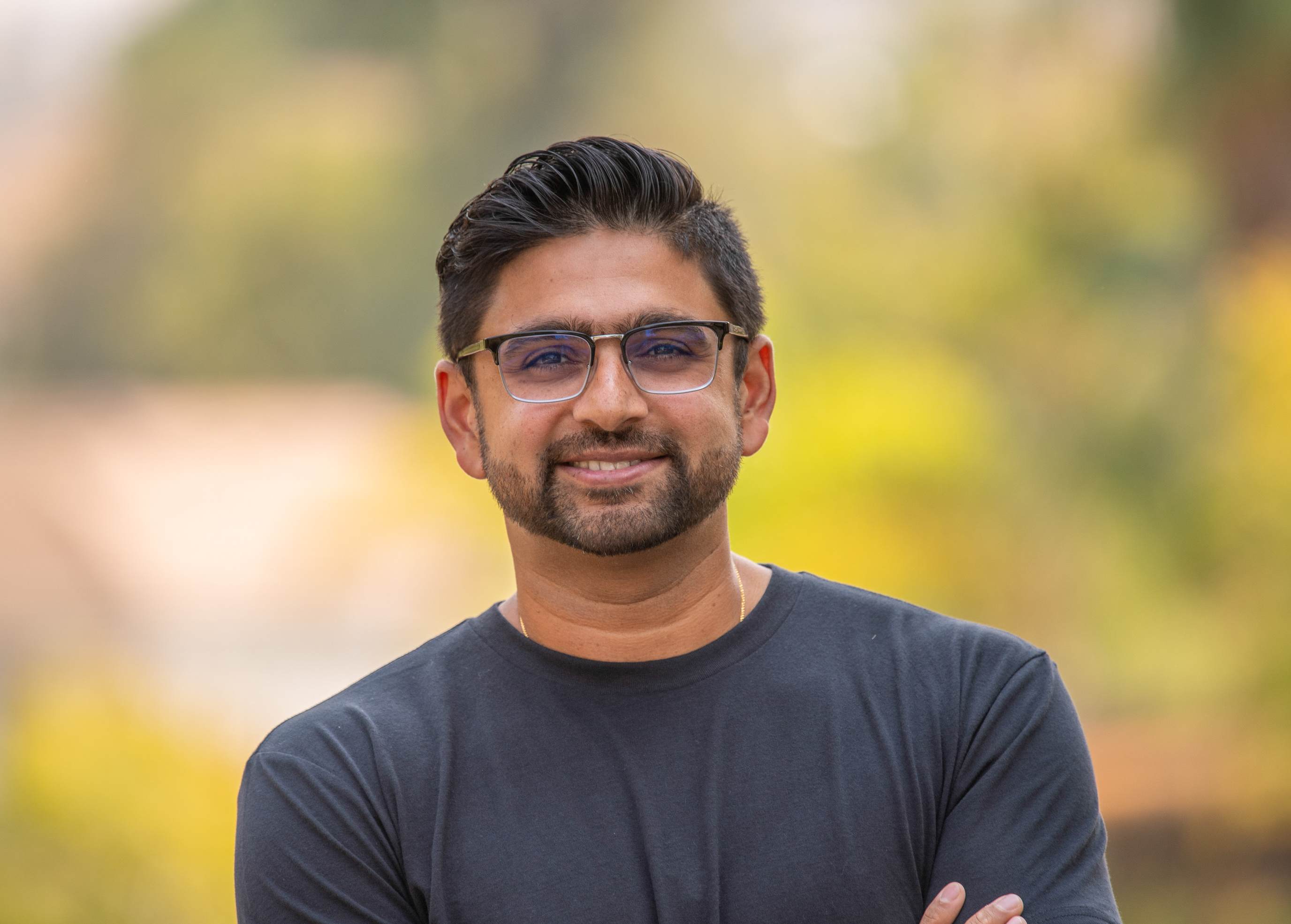
Anand Tharanathan
Anand Tharanathan is Group Vice President and Global Head of Product Research and Insights at ServiceNow, where he leads end-to-end user research and AI trust initiatives for one of enterprise software's fastest-growing platforms. With a Ph.D. in Experimental Psychology, an MBA from Northwestern's Kellogg School, and a career that runs from Honeywell's aerospace labs through Facebook to the frontier of enterprise AI, he bridges rigorous science and product craft at scale. His current focus on building trust in generative AI systems puts him at the intersection of human factors research and the most pressing question in enterprise technology.

Justine Davis
Justine Davis is the VP of Developer Marketing, Community, and Developer Relations at ServiceNow, where she oversees a developer community of more than one million members and shapes the narrative of ServiceNow as a global developer platform. With roots in digital marketing and a career arc that ran through Hotwire, Atlassian (over nine years), and Postman, she has built a reputation for translating complex technical products into language that resonates with developers and enterprise buyers alike. Based in Scottsdale, Arizona, she is known for her candid takes on developer marketing, her emphasis on showing rather than telling, and her belief that DevRel and Developer Marketing are two sides of the same coin.

Laura McCullough
Laura McCullough is VP of Brand Strategy & Creative at ServiceNow, the $13B enterprise AI platform company. She leads the creative vision behind one of B2B tech's most distinctive brand identities, including the blockbuster campaign featuring Idris Elba as a ServiceNow brand ambassador. Before ServiceNow, she spent nearly two decades at Ogilvy, rising from junior account work to Senior Partner managing global accounts for Cisco, IBM, and CDW.
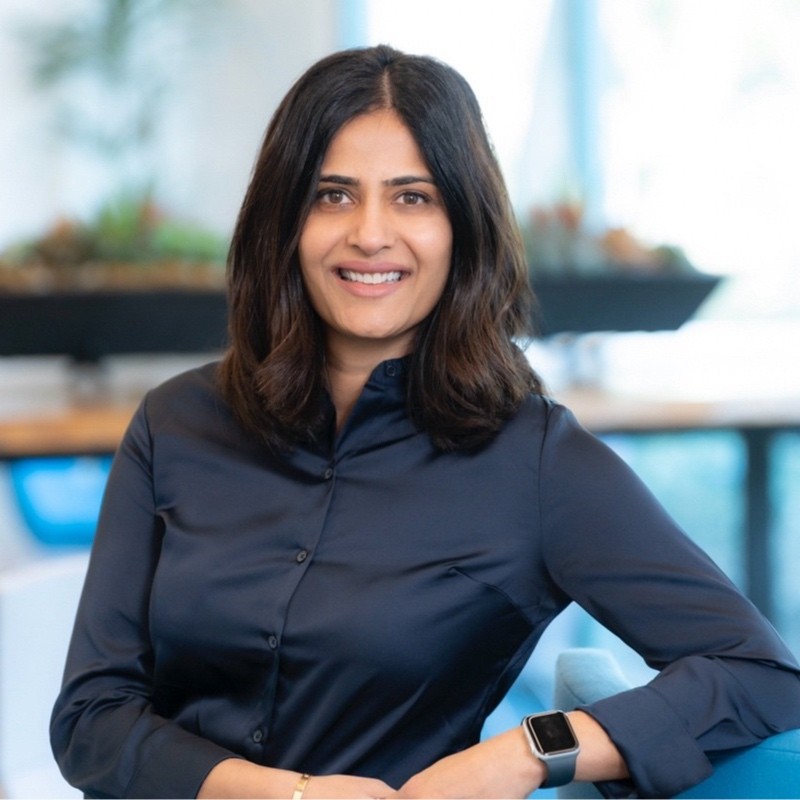
Ashraf Karim
Ashraf Karim is Senior Vice President of Connected Customer Experiences & Technology at ServiceNow, where he leads the charge on transforming how enterprises engage customers through AI-powered digital workflows. With over two decades spanning engineering, product management, and executive leadership at Google, PayPal, Affirm, and Cisco, Karim bridges the gap between deep technical fluency and strategic business thinking. He is known for championing simplicity-first design, advocating that reducing cognitive load at every customer touchpoint is the defining discipline of great product leadership.

Samantha Mah
Samantha Mah is VP of Strategic Partnerships and Growth at ServiceNow, the $13B+ enterprise cloud platform company headquartered in Santa Clara. Based in Toronto, she leads the charge on unlocking organizational potential by eliminating manual, repetitive work through intelligent digital workflows. With a Six Sigma Master Black Belt background and a career that spans Xerox and ServiceNow, she brings process-excellence discipline to the art of enterprise partnerships. She also serves in the Office of the CDIO as Senior Director, Customer Advocate - bridging the gap between technology capability and human impact.
Tania Brown
Tania Brown is an ACCA-qualified executive and entrepreneur who serves as Area Vice President of APAC Strategic Customer Engagements (Elevate) at ServiceNow, the $13B+ enterprise cloud platform company. A digital and accounting leader with roots in venture capital, tech startups, and real estate, she has built a career spanning Brisbane, London, Melbourne, Singapore, and Sydney. Alongside her corporate career, she co-founded Jacq Leigh, a women's leather laptop bag brand launched in 2019 after noticing a gap in the market for functional, stylish bags designed for corporate women.

Diya Mathew
Diya Mathew is a Senior Manager for Customer Engagement Strategy in the Office of the President & COO at ServiceNow, the enterprise cloud platform company valued at over $100 billion. A graduate of Duke University's Fuqua School of Business and NIT Tiruchirappalli, she brings a rare blend of technical depth and strategic acumen forged across Cisco, Deloitte Consulting, Meta, and now ServiceNow. Based in San Francisco, she works at the intersection of executive strategy, customer engagement, and enterprise operations.
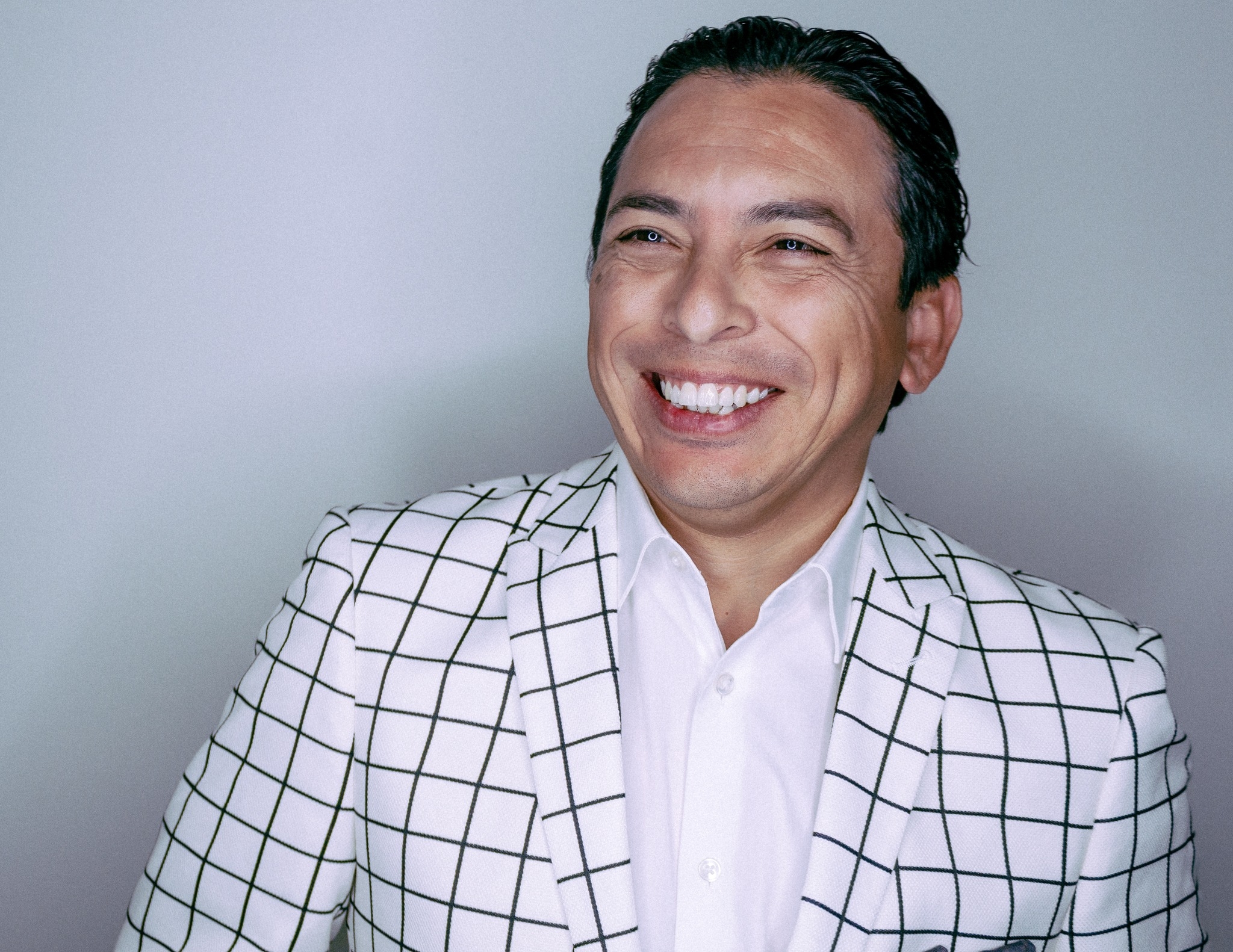
Brian Solis
Brian Solis is a digital anthropologist, 9x bestselling author, and Head of Global Innovation at ServiceNow who has spent three decades decoding how emerging technology reshapes business and human behavior. He coined 'Digital Darwinism,' co-created The Conversation Prism (one of the internet's first viral infographics), and has advised Oprah, Shaq, Ashton Kutcher, and more than 1,000 startups. Named a World's Top Futurist for 2026 by Global Gurus, his current Augmented IQ framework - introduced at SXSW 2026 - argues that the real AI opportunity is not productivity but expanding human judgment and capability.
Latest
LiveCompany Facts
At a glanceUpdates
Recent updatesProduct History
What shipped, and whenNow Platform
The single cloud platform and shared data model underpinning every ServiceNow product, including low-code app development (App Engine), Flow Designer, Integration Hub, and UI Builder.
IT Service Management (ITSM)
The original flagship: incident, problem, change, and request management that replaced clunky on-premise IT helpdesk tools.
IT Operations Management (ITOM)
Discovery, service mapping, event management, and AIOps to keep infrastructure healthy and outages short.
Security Operations & Risk (SecOps/GRC)
Security incident response, vulnerability response, and governance, risk and compliance workflows.
HR Service Delivery
Employee onboarding, case management, and self-service that brings HR into the same workflow engine as IT.
Customer Service Management (CSM)
Connects front-office customer issues to back-office teams so problems get resolved at the source.
Now Assist (AI) & AI Agents
Generative and agentic AI woven across the platform - virtual agents, summarization, code generation, and autonomous AI agents that execute multi-step work.
Strategic Portfolio Management & App Engine
Planning, demand, and low-code application building so customers create their own workflow apps on the platform.
ServiceNow Otto
Unveiled at Knowledge 2026, a single AI experience/front door that unifies Now Assist, Moveworks, and AI Experience - conversational AI, enterprise search, AI voice agents, and plain-language analytics - sitting across the whole enterprise and routing work to the right agent to completion.
Action Fabric & AI Control Tower
Action Fabric opens the Now Platform's governed system of action to any AI agent (ServiceNow, Claude, Copilot, or homegrown) via a generally available MCP Server; AI Control Tower discovers, observes, governs, secures, and measures AI deployed across any enterprise system.
Autonomous Workforce
AI specialists for IT, CRM, employee service, and security/risk that complete end-to-end processes alongside humans - autonomously resolving cases, containing threats, managing incidents, and handling high-volume requests.