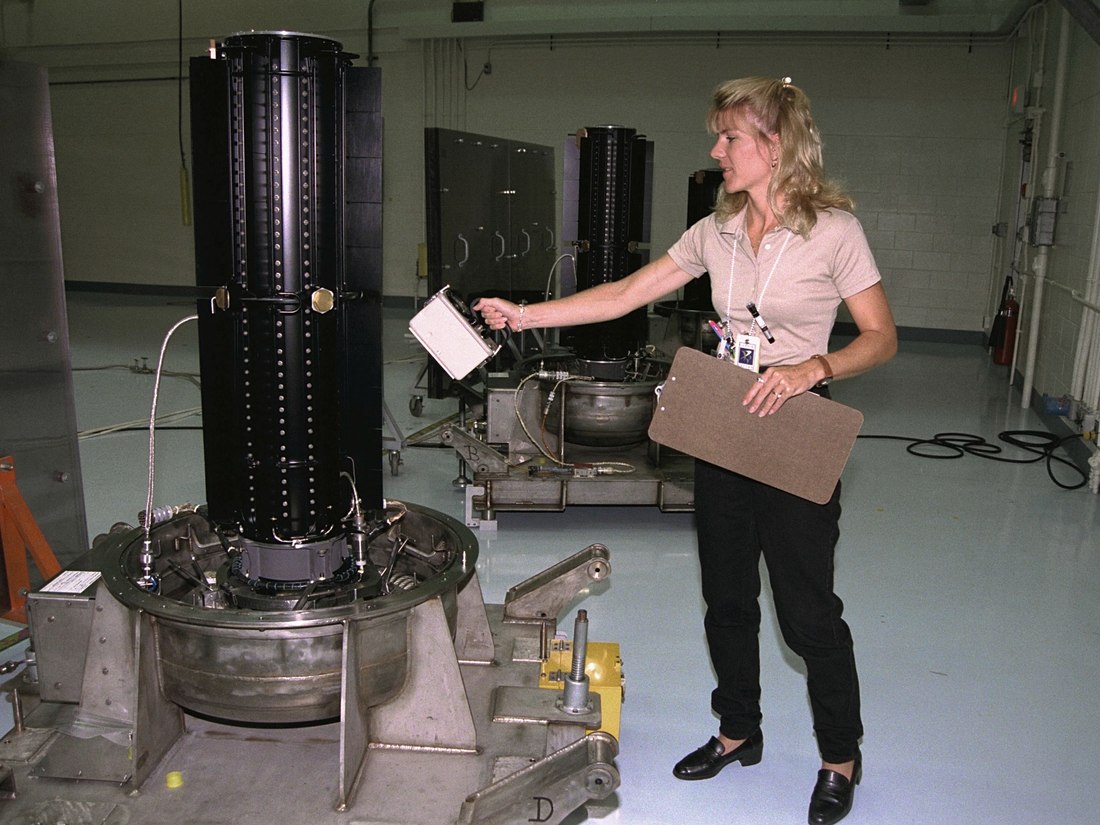
Inside a working nuclear plant, one of the most routine jobs is also one of the least glamorous. A radiation-protection technician - trained, certified, and expensive - walks a predetermined route with a handheld detector, takes readings at fixed points, then later sits down and transcribes those numbers into a computer by hand. It is slow. It is inconsistent from person to person. And it puts a highly skilled worker into an exposure zone to do a task that never changes. Salem Robotics, a Y Combinator Summer 2026 company based in Austin, looked at that loop and decided a robot should do the whole thing.
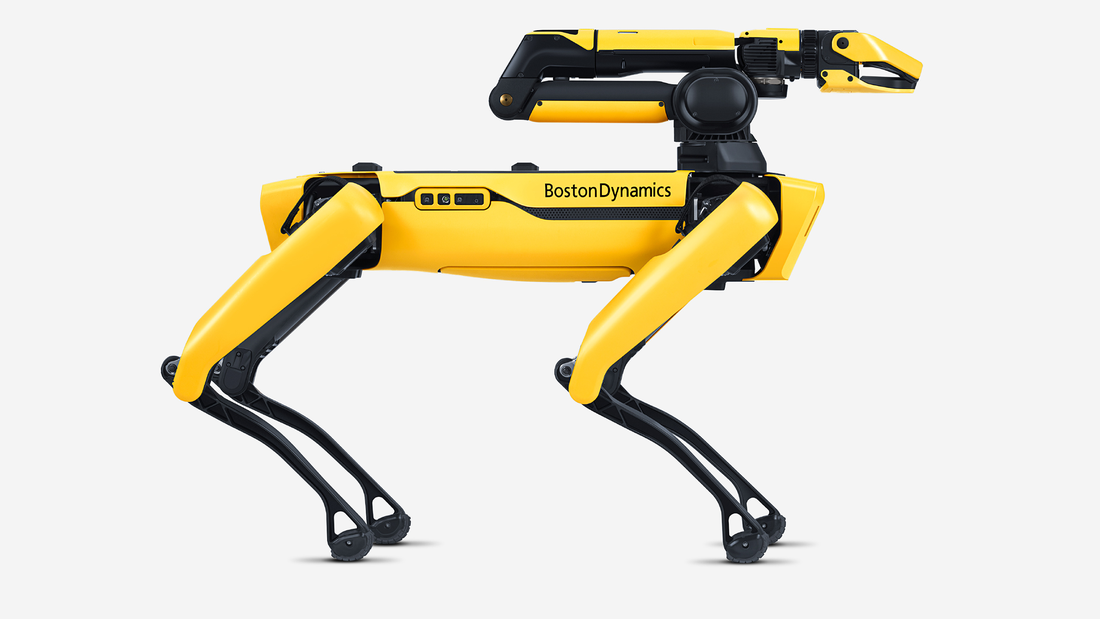
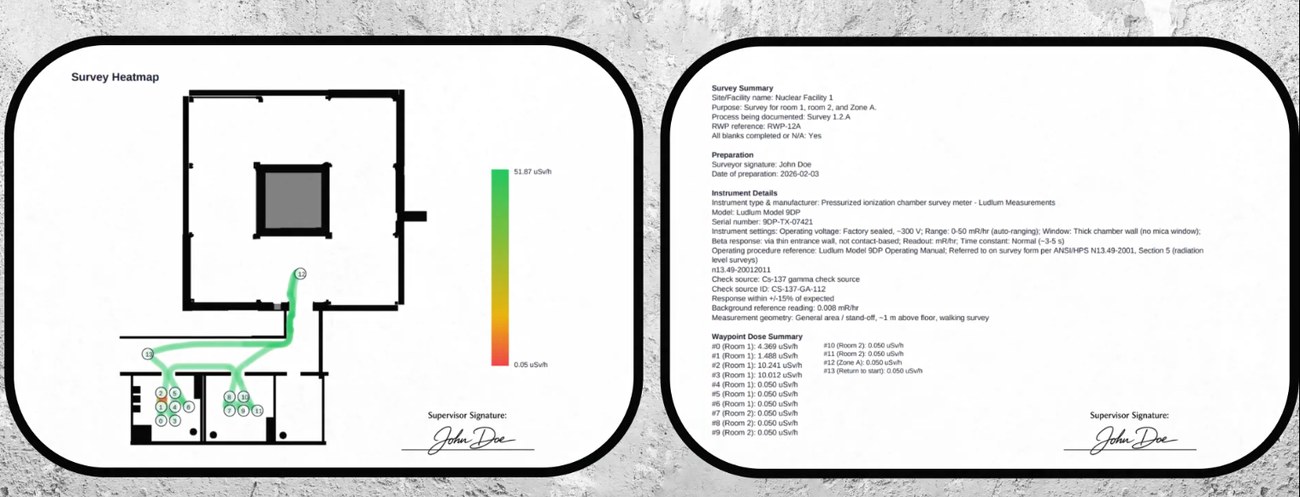
The pitch is narrow on purpose. Salem does not sell robots. It sells the software layer - the autonomy and the reporting - that runs on machines a facility already owns, such as Boston Dynamics' Spot. Point it at a survey route and the robot walks the site, handles the instrument, works around obstacles, collects the measurements, and produces an auditable compliance record at the end. The company's own one-line description of itself is plain: "Autonomy Software for Hazardous Industry."
The problem is old, expensive, and everywhere
Across nuclear operations, critical infrastructure, and energy, a surprising amount of inspection work is still done by a person with a clipboard and a meter. The founders' framing of the market opportunity - automating these manual survey and inspection workflows - runs into the tens of billions of dollars. That number is less interesting than the reason it exists: the work is repetitive, it is dangerous, and it consumes people who are hard to hire and harder to replace.
What the software actually does
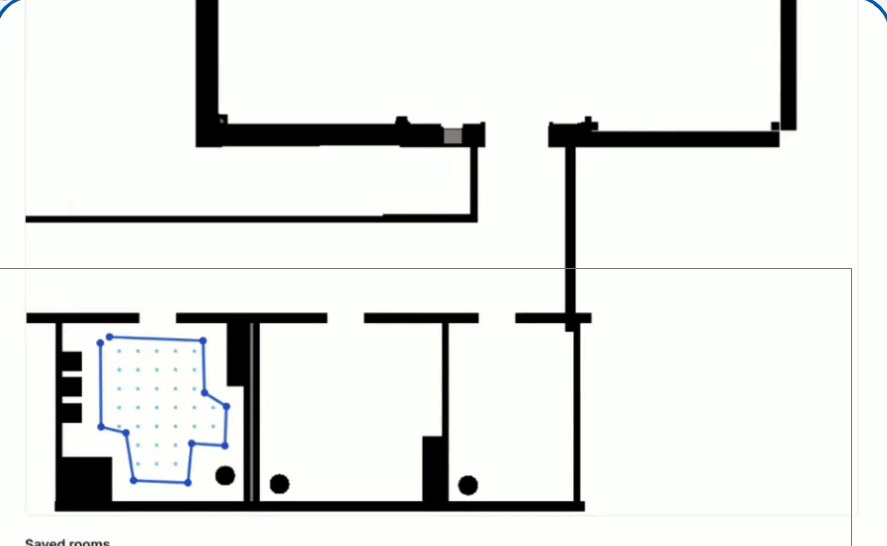
Salem breaks the job into a sequence a robot can own end to end. The point that matters most is the last one: the report. Automating the walk is useful; automating the paperwork that regulators actually read is where the friction disappears.
Why deterministic, and why that's the company
Most autonomy conversations in 2026 default to large models and probabilistic behavior. Salem went the other way. Its planning approach is deterministic - built to produce repeatable, certifiable results tailored to safety-critical infrastructure. The reasoning is easy to follow once you sit in a nuclear plant's shoes: in an audit, "the model was usually right" is not a passing grade. A survey has to be the same today as it was last quarter, and it has to be explainable. That constraint is not a limitation the company is apologizing for. It is the product.
Manual vs. autonomous, roughly
The company hasn't published a benchmark table, so treat this as directional rather than precise: the case Salem makes is that a robot survey trims the human time on-site, cuts the transcription step to zero, and standardizes the readings. The bars below sketch that argument.
Illustrative comparison based on Salem Robotics' public description of manual vs. automated workflows. Not a published benchmark.
Who it's for
Salem is starting in nuclear because that is where the founders have spent their careers, and because it is the hardest, most regulated version of the problem. The map after that follows the danger:
- Commercial and government nuclear operations
- Decommissioning sites
- Oil and gas facilities
- CBRN response environments
- Space infrastructure operations
The people behind it
Salem Robotics was founded by two PhD roboticists out of UT Austin's Nuclear and Applied Robotics Group. Caleb Horan, the CEO, spent years on autonomous radiation-survey research connected to Los Alamos National Laboratory before his doctoral work in Austin. Janak Panthi, the CTO, focused on quadruped robotics for nuclear survey tasks. Their advantage is not that they can build a robot - plenty of people can. It is that they have deployed robots inside real hazardous facilities and understand why the software, not the hardware, is the part that keeps failing.
Where it sits in the market
The alternative to Salem, today, is mostly people. The status quo is a crew of technicians and a stack of clipboards, later keyed into a database. General-purpose autonomy platforms and industrial inspection-robotics companies circle the same territory, but Salem's wedge is specific: a deterministic, certifiable autonomy layer built for the audit, not the demo. The hardware-agnostic model is the go-to-market cleverness - selling software into a capital-heavy, cautious industry is far easier when the customer doesn't have to buy a new fleet to try it.
The bet
Salem Robotics is early - a three-person team, a fresh YC S26 stamp, and backing that includes Nonsibi Ventures. What it has is a clear, unglamorous thesis: the robots in dangerous places already exist; what they lack is a mind that a regulator will trust. If Salem is right that the missing layer is software, and that software has to be deterministic to be usable, then the company's narrowness today is what gives it a shot at the much larger map of hazardous work tomorrow.
Follow Salem Robotics
No public product-demo or interview videos were available at time of writing. Check the company's LinkedIn and website for the latest updates.
Sources: Salem Robotics (salemroboticsinc.com), Y Combinator, LinkedIn, and UT Austin Nuclear and Applied Robotics Group. Figures marked illustrative are not published benchmarks. Details approximate where public information is limited.