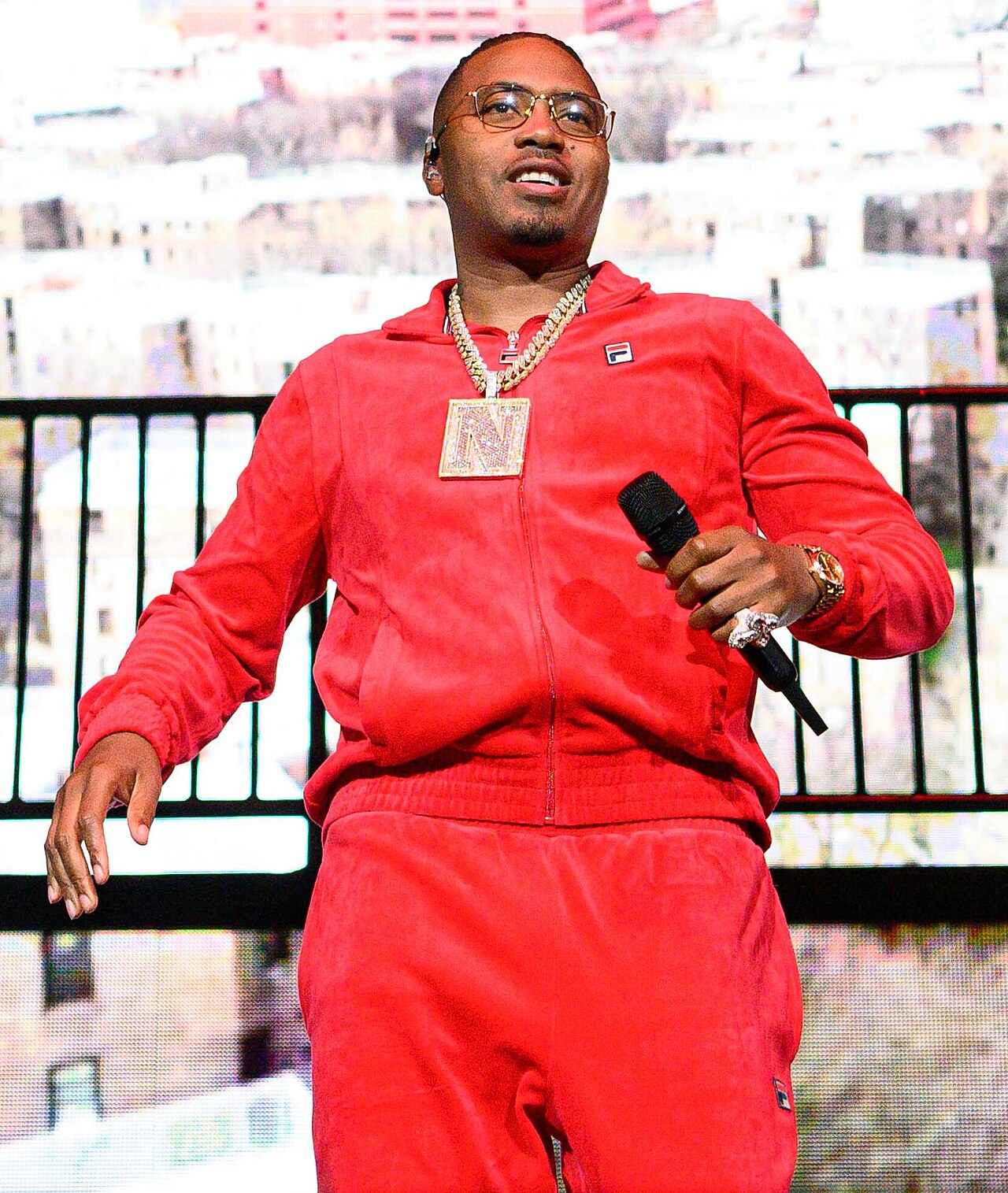
Still Running, Still Ahead
Nas released Light-Years with DJ Premier in December 2025. He had already released Magic 3 on his 50th birthday in 2023. Before that, King's Disease, King's Disease II, King's Disease III, Magic, Magic 2. In a five-year run most artists would retire on, Nas put out seven albums - and won his first Grammy along the way. This is not a legacy act coasting. This is a man who decided 50 looked like a full release schedule.
The address was 12-20 Vernon Boulevard, the Queensbridge Houses in Long Island City, Queens - the largest public housing project in North America. His father, Olu Dara, was a Mississippi-born jazz musician who played trumpet. His mother worked for the postal service. At 14, Nas stopped showing up to school. He was reading differently anyway - African history through the Five-Percent Nation, cosmology through the Nuwaubian Nation, rhythm through whatever records his neighbor Ill Will was playing through the walls.
He met producer Large Professor at 16. By 21 he had Illmatic. Five tracks, nine producers who had never been in the same room together, 39 minutes and 46 seconds that became a fixed point around which all subsequent hip-hop is still navigated. Critics ran out of superlatives and started saying things like "one of the greatest albums of any genre ever made." That was not hyperbole. The Library of Congress agreed - Illmatic is now part of the National Recording Registry.
Then came the years. Seventeen more studio albums. A highly publicized feud with Jay-Z that produced "Ether" - a diss track so surgically precise it gave the English language a new verb. A 2005 reconciliation where he and Jay-Z performed together on stage, followed six months later by Nas signing to Def Jam while Jay-Z ran it. The hip-hop plot twist that still gets discussed in barbershops. A marriage to Kelis that ended in 2010. His mother's death in 2002 that turned into the raw, grieving centerpiece of God's Son. A daughter, Destiny, born the same year as Illmatic. A son, Knight, born in 2009.
None of the above is the most interesting thing Nas did this century. In 2014, while most rappers were still trying to figure out how to monetize streaming, Nas co-founded QueensBridge Venture Partners with Anthony Saleh. The fund invested between $100,000 and $500,000 in early-stage tech companies. Early portfolio items included Dropbox, Lyft, Coinbase, and Robinhood. When Amazon acquired Ring Inc. in 2018, Nas reportedly cleared around $40 million from that single exit. His Coinbase stake, depending on the estimate, returned between $41 million and $206 million. The man who grew up in a housing project without a high school diploma was reading cap tables before the companies on them became household names.
In 2013, Harvard's Hutchins Center established the Nasir Jones Hip-Hop Fellowship - the first academic fellowship in history named after a rapper. The institution that wouldn't have admitted Nas as a student put his name on a scholarship for scholars and artists working at the intersection of hip-hop and the humanities. When asked about it, Nas said: "I said no to a lot of things in my twenties. In the beginning, I was a fighter. I'm always going to be a fighter, but I fight differently, for different reasons, today."
He beat Jay-Z in another contest too - when competing bids went in for a casino development in Queens, Nas's proposal through his relationship with Resorts World beat the one from his former rival. The scoreboard, if you're keeping one, reads: Ether, Grammy, Harvard, Queensbridge casino. Jay-Z won some rounds too. Neither man stopped showing up.
Lyricism as Architecture
The easiest way to understand what Nas does that others don't is to listen to "N.Y. State of Mind" from Illmatic and try to write down what the verse means. It resists paraphrase. The lines mean what they say and something else simultaneously - the interior life of a teenager in the Queensbridge Houses in the early 1990s, rendered in the same compression style as a jazz improvisation. His father's trumpet is in there somewhere, unstated.
The Source ranked him second on their list of the 50 greatest lyricists of all time. About.com put him first among the 50 greatest MCs. Billboard, MTV, Rolling Stone - the lists vary but he's always present. None of this impresses Nas. What impresses Nas is the work that still has to be done. At 50, surrounded by a generation of rappers who grew up with Illmatic as a reference text, he released Magic 3 and then Light-Years with DJ Premier. He didn't try to sound young. He tried to sound true.
The Legend Has It series - seven albums released by Mass Appeal Records in 2025, featuring Nas, Ghostface Killah, Mobb Deep, Raekwon, Big L, and De La Soul - was his and the label's declaration that the canon he helped create was still living. Light-Years, the final release in the series, paired him with DJ Premier, who produced some of the most essential records in East Coast hip-hop history. Two veterans who never got comfortable. That's the whole thesis.
The Albums That Changed Things
HIGHLIGHTED = critical turning points in his career
VC Before It Was Cool
QueensBridge Venture Partners pitches at more than 100 companies per month. They invest in about 20 per year. Early bets: $100,000-$500,000 each into companies that would become definitional - the stock-trading app everyone uses, the rideshare that went public at $24 billion, the crypto exchange that changed what the word "exchange" meant. Nas was not making these calls based on industry trend reports. He was betting on founders the same way he bet on producers - intuitively, ahead of the curve, before consensus arrived.
Mass Appeal Records, which he co-founded, signed Dave East, N.O.R.E., Run the Jewels, and Swizz Beatz. He also revived Mass Appeal magazine as its associate publisher. The Legend Has It series was Mass Appeal's highest-profile release strategy in years. He runs the label not as a vanity play but as a curatorial one - the same attention he gives his own verses, given to the roster.
The Resorts World casino project ties his community investment directly to his business strategy. Queensbridge is not just where he grew up - it's his brand, his VC firm's name, and, he made sure, the location of one of the largest casino floors on the East Coast. Symbolic wins have dollar signs attached to them when you plan far enough ahead.