A college acceptance letter can feel like a verdict. Then comes the financial aid letter, and the verdict changes. Grants, loans, work study, family contribution: the sums look precise until a family tries to decide what it will actually owe. Mos entered this gap in 2017. Its founder, Amira Yahyaoui, had known financial exclusion herself, and she built a company around a question that most glossy college brochures leave to the footnotes: who helps a student find the money?
- Mos matches US students with scholarships, offers school cost plans and gives access to financial aid advisors.
- It added fee-free student banking in 2021 after building its aid service, then closed banking in 2023.
- Its reported $400 million valuation belongs to a 2022 financing round. It says nothing about what the business is worth today.
- The useful test is whether a student ends up with a clearer choice and more affordable bill.
The form was the first opponent
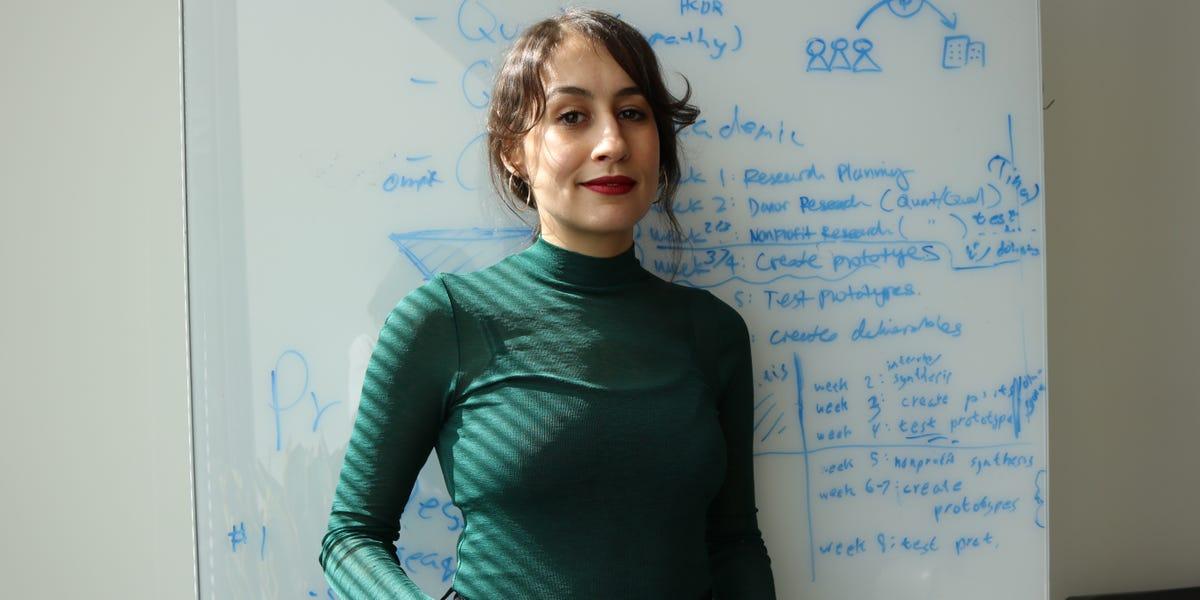
Yahyaoui came to Silicon Valley after years as a Tunisian human rights activist. “I understand the frustration of not being allowed in because you can’t afford it,” she told TIME in 2021. Mos started as a way through the financial aid process: applications, scholarships, eligibility and appeals. The name comes from Mos Espa, the fictional Star Wars town linked in the company’s telling to the desert region where she grew up. It is a charming origin for a business concerned with paperwork. Bureaucracy rarely gets a good science-fiction name.
The customer is usually a student choosing a college, already enrolled, or preparing for graduate school. Mos asks for a profile and uses it to surface scholarships it considers relevant. Students can save awards, move to the provider’s application and track their progress. Its site also promises a financial plan for each school under consideration and access to an advisor for questions about aid. That mix is the point. Search can find an award; a person can help decide whether an appeal is worth writing.
Mos describes its scholarship pool as worth more than $160 billion. That is the sum of opportunities in a database, not a pot of money waiting for every user. A student needs to meet each award’s rules and win it. Mos’s own terms say it cannot guarantee aid. The distinction is plain, but marketing around college money often depends on readers overlooking it.
Then came the bank account
By 2021, Mos had a larger idea. A student who trusts a company with an aid question might later trust it with a paycheck, savings or a debit card. Mos launched a checking account and card through Blue Ridge Bank, promising no overdraft fees, late fees or minimum balance. The strategy had an elegant sequence: help someone pay for college, then stay beside them as adult financial life begins.
Investors liked the reach of that story. Mos had raised a roughly $13 million Series A in 2020. In February 2022, Tiger Global led a $40 million Series B at a reported $400 million valuation, alongside backers including Sequoia Capital, Lux Capital and Emerson Collective. Those figures measure investor appetite and the price of shares in one financing. They do not measure how many students gained aid or used the bank.
The banking experiment ran into a problem of use. A 2024 investigation of internal data reported that, among roughly 153,000 open accounts, 95 percent held less than $5 through 2022 and only 9.5 percent of account holders deposited their own money. Those are reported figures, not a public audit. They make one thing hard to ignore: an opened account is a small act, while becoming someone’s bank is a long habit.
An opened account is a small act. Becoming someone’s bank is a long habit.The difference Mos had to face
Mos closed the banking service in 2023 and reduced staff. Its public product language returned to scholarships, cost plans and advisors. The change was more than a retreat from a crowded fintech market. It restored the original task: give a student something useful before asking for a deeper financial relationship.
A smaller promise can be more useful
The current app makes a more concrete offer than a “financial super app.” Its scholarship finder presents awards that match a student’s profile. A swipe interface makes browsing quick; saved items and status tracking keep the search from dissolving into a collection of browser tabs. The college plan forces a comparison that many applicants postpone. An advisor offers help when a FAFSA question, a confusing award letter or an appeal demands judgment rather than another search result.
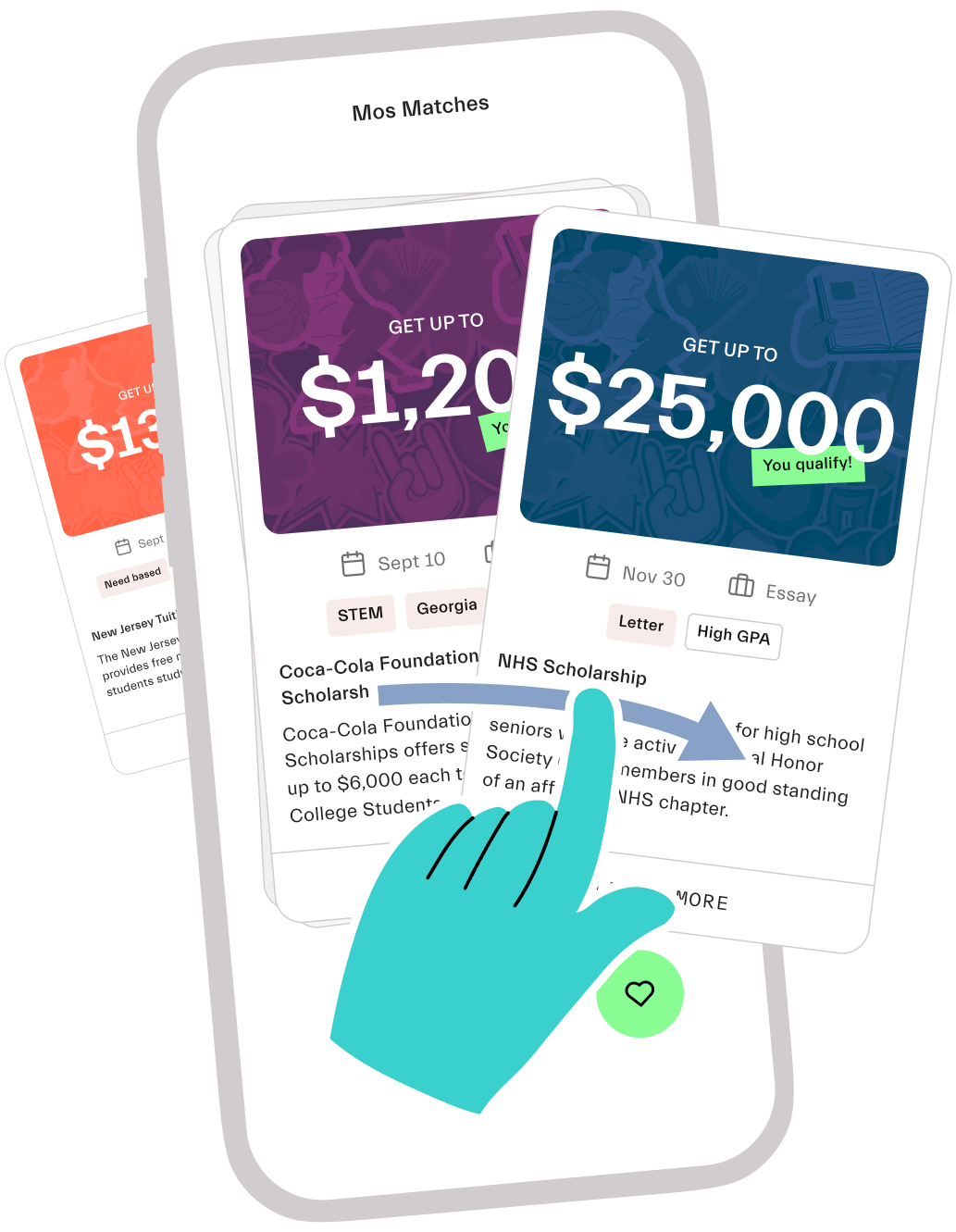
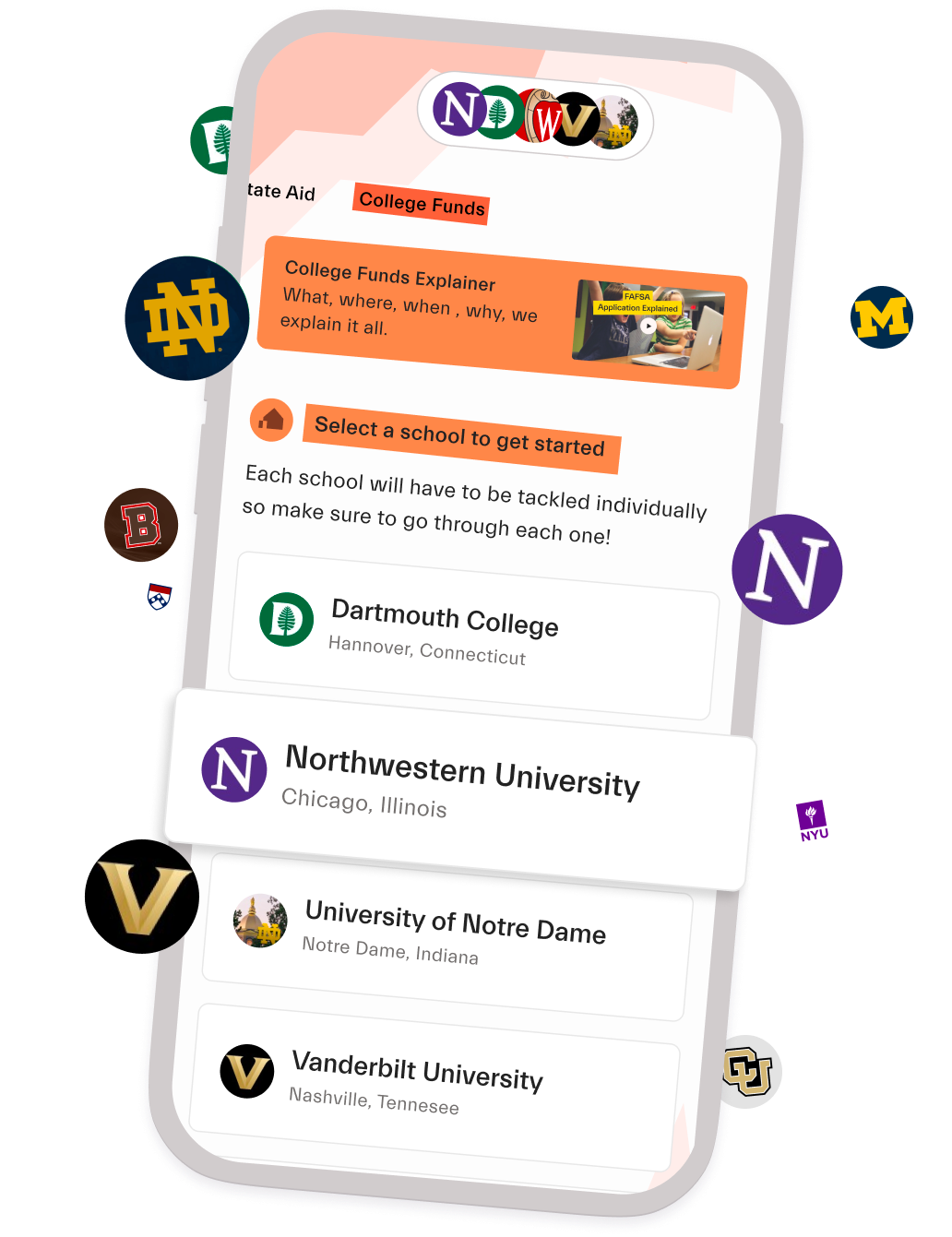
Mos’s combination of software and human help sets it apart from a bare scholarship directory. That does not make every result personal. Its terms are explicit that advisors are not licensed financial advisors and that students should verify information themselves. Its paid Premium tier offers more individualized support, but current prices and the number of paying customers are not publicly established. For a student deciding whether to pay, the right question is practical: which specific task will the extra help complete?
The alternative is broader than another app. Scholarship services such as Scholly or Fastweb can help search; a college aid office can explain its own award; free federal resources explain FAFSA rules. Mos fits between those options by trying to gather discovery, planning and guidance in one place. Its value rises when a student has several schools or deadlines to manage and lacks someone nearby who already knows the system. It falls when the matching pool produces awards the student cannot pursue, or when a promised advisor cannot resolve the actual question.
What the numbers can and cannot say
Mos has said it reached more than 400,000 students. That figure has been used to describe a community, not a verified count of paying customers or completed aid awards. The company has also publicized student savings figures. A qualification for aid is not the same as money received. Anyone borrowing Mos’s approach should keep these measures separate: people who registered, people who applied, people who received money, and dollars that actually reduced a bill.
The cost of Mos’s experiment was substantial: about $57 million in disclosed funding across its major rounds, a bank product built and closed, and a 2023 staff reduction. The exact cost of building the banking product is not public. The apparent lesson is less theatrical than “stay in your lane.” Follow the job customers repeatedly bring you. For Mos, it was the question at the kitchen table after the acceptance letter arrived.
Sequoia’s portfolio page marks Mos as acquired in 2025, without naming a buyer or giving terms. The public site still presents the scholarship and advisor service. That leaves the company’s current ownership details opaque, but its product proposition is unusually easy to state: find possible money for school, understand the school’s price, and ask someone when the paperwork stops making sense.