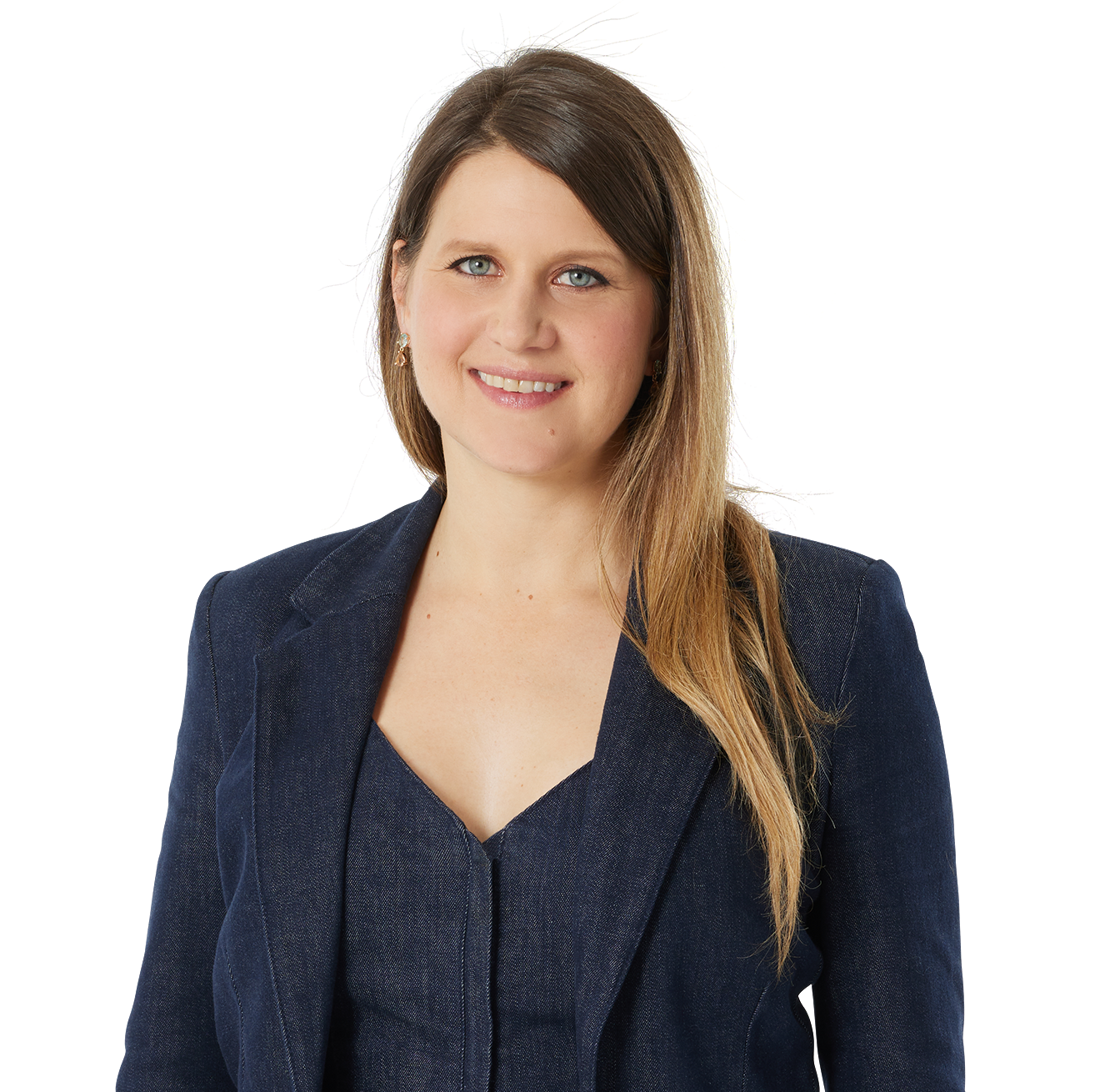
She got to a $40M revenue startup before she ever wrote a check. Now she's at Freestyle Capital, writing the ones that matter - early, in AI, and with an industrial engineer's eye for what actually works at scale.
Most venture capitalists arrive at the check-writing chair through pattern recognition. Maria Palma arrived through the supply chain office at General Electric, then through a Chief of Staff role where she personally helped scale a startup called Eyeview from zero to $40 million in revenue. The operator's instinct never left. It's what makes her read a pitch differently than the people who've only ever sat on the investor side of the table.
Industrial engineering at the University of Wisconsin-Madison. Then an MBA at Harvard Business School. Then GE. These are not the typical entry points for a career in venture capital - and that's precisely the point. When you've spent time optimizing production lines and then scaling ad-tech revenue, you don't romanticize a business plan. You stress-test it.
She moved from operations into venture at RRE Ventures in New York, where she invested in companies like Moov, Novo, Ladder, and Lightning Labs - a portfolio that spans fintech infrastructure, neobanking, and Bitcoin infrastructure. The range was intentional. Palma has never believed that specialization is the same as insight.
Then came London. As a General Partner at Kindred Capital, she crossed the Atlantic and backed founders in a different market cadence, investing in Fung, Lottie, and Dunia. The London chapter added something her resume already had plenty of - breadth - but it also sharpened her conviction about what it means to be a genuinely founder-friendly investor. In markets where the VC community is smaller, the relationship between investor and founder gets more visible, fast.
"Deeply insightful, insanely hard working, super fun - and with a stellar track record of investments and exceptional relationships with founders."- Jenny Lefcourt, General Partner, Freestyle Capital
In August 2024, Palma joined Freestyle Capital in San Francisco as General Partner. Freestyle has been writing pre-seed and seed checks since 2009, and the firm's reputation is built on going early, staying close, and not treating the first investment as a transaction. Palma fit that culture with precision - she'd been practicing it at every prior stop.
Her focus at Freestyle is early-stage AI - both at the application layer, where products are being built for real users, and at the infrastructure layer, where the plumbing that makes those products possible is still being invented. It's a wide aperture, and Palma holds it intentionally. The bets that matter in AI right now aren't the ones where the category is obvious. They're the ones where the founder sees something the market doesn't yet.
One of her angel investments, Lovable, crossed $100 million in annual recurring revenue in eight months. Eight months. To put that in context: Slack took two years to get there. Lovable builds AI-powered coding tools and became one of the fastest-growing software companies in history. Palma spotted it before the trajectory was visible.
Lovable - the AI coding tool that turned non-technical founders into software builders - became one of the fastest-growing SaaS companies ever. Maria Palma had it in her angel portfolio before the press release arrived. Speed of recognition is the skill that separates good investors from great ones.
It's not just Lovable. Her portfolio across three firms spans fintech infrastructure (Moov, Novo), Bitcoin (Lightning Labs), consumer (Lottie), and enterprise. The common thread isn't sector - it's founder quality and timing.
Lovable - angel investment by Maria Palma - one of the fastest SaaS growth trajectories on record
The AI investment conversation in 2024 and 2025 had two camps: the infrastructure believers (bet on the picks and shovels) and the application optimists (bet on products built on top). Maria Palma didn't choose sides. At Freestyle Capital, she invests across both layers because she's seen enough platform shifts to know the arbitrage lives at the seam between them.
Application-layer AI means she's looking at products people actually use - the coding tools, the workflow automations, the vertical SaaS that replaces entire job functions. Infrastructure-layer AI means she's evaluating the compute orchestration, model serving, data pipelines, and tooling that the applications depend on. Both require a founder who understands both.
At Freestyle, the firm's model is small portfolio, deep engagement. Palma has made 35+ investments in her career and the philosophy doesn't change at the seed stage: she doesn't write a check and disappear. Operational mentorship, network access, and hands-on support are the product. The capital is almost secondary.
In April 2026, she took that thesis to the HumanX Conference in San Francisco - one of the largest AI-focused conferences of the year - where she spoke on a panel titled "Beyond Capital: What Great AI Investors Actually Do." The thesis was the talk. The receipts were in her portfolio.
Venture capital has a warm-intro problem. The people who get meetings are the people who already know people. Maria Palma co-founded NYC Blend - a nonprofit explicitly designed to interrupt that pattern. The program connects underrepresented founders directly to relevant VCs during the fundraising process, removing the layer of social proximity that usually determines who gets in the room.
The NYC BLEND Connect program runs founder-to-investor introductions that are matched by relevance, not network proximity. It's an operational fix to a structural problem - the kind of solution an industrial engineer might design.
She also serves on the board of the African Entrepreneur Collective, which works with entrepreneurs across Rwanda, Kenya, and Ethiopia with a focus on job growth in urban, refugee, and rural communities.