There is a peculiar hour in the life of an organization when everybody becomes a communications expert. The lawyers want silence. The chief executive wants a statement. Employees are reading rumors on their phones. A reporter has left three messages, each friendlier than the last. In that hour, the ordinary org chart is mostly decorative. LEVICK built a company for precisely this moment.
Founded in Washington in 1998 by attorney Richard S. Levick, the firm occupied the narrow strip of territory between a courtroom, a newsroom and a committee hearing. Its clients included companies, trade groups, law firms, governments and public figures. Their problems were not the cheerful kind that fit into a product launch. They involved recalls, indictments, investigations, hostile headlines and the sudden discovery that a legally accurate answer can still sound evasive on television.
LEVICK’s original business was tamer: helping lawyers and their ideas get attention in the press. That market matured quickly. Then came a client with a beleaguered Catholic order and a blunt question: did the firm handle crisis? The team immersed itself in an institution whose customs and silences were foreign to outsiders. Richard Levick found the work more profitable and more invigorating than counting media placements. The assignment did not simply add a service. It changed what the company believed it was for.

The product was compressed judgment
A conventional public-relations agency tries to create attention. A crisis firm enters after attention has become the problem. LEVICK sold research, message development, executive preparation, media strategy, digital monitoring, stakeholder outreach and political intelligence. More important, it coordinated those pieces with legal counsel. The work was not to invent a nicer reality. It was to decide what could be said, by whom, to which audience, and in what order, while the available facts were still moving.
That distinction explains the customer list. General counsel and law firms used the firm during litigation. Boards and executives called around product recalls, cyber incidents and corporate investigations. Insurers, healthcare organizations and trade associations needed a common voice across members with different incentives. Governments and state-linked companies sought help in Washington, where a media story can become a policy argument before lunch.
We are the company that you call when you are in trouble or when you anticipate that you might be in trouble.Richard S. Levick
Public contracts pull the curtain back on price. In 2019, China Telecom Americas agreed to an advance retainer of $45,000 a month for public-affairs work related to U.S.-China technology relations. Crisis support was separate, billed at a blended $400 an hour. An earlier College of DuPage engagement began with a $14,750 retainer against a $250 blended hourly rate. These are snapshots, not a rate card, but they expose the business model: recurring payment for readiness, then metered senior attention when events accelerate.
Monthly public-affairs retainer in a 2019 engagement
Blended hourly rate for on-demand crisis support
A recall, a vacuum and a borrowed microphone
The 2007 pet-food recall offers the cleanest view of the machinery. Contamination had sickened and killed animals, the Food and Drug Administration was investigating, and pet owners wanted answers before anyone knew the full cause. LEVICK represented the Pet Food Institute. The first thing that failed was not a slogan. It was certainty. Industry spokespeople could not credibly explain what investigators had not yet established.
The response was to build an authority rather than merely claim it. A National Pet Food Commission assembled scientific, industry and government figures to investigate and recommend changes. LEVICK helped prepare executives, alter the institute’s website for a surge of scrutiny, place national issue advertising and face congressional committees. When investigators traced the contamination to melamine, the organization had a structure through which it could explain containment and next steps.
Do not force a definitive answer before the facts can support one.
Use qualified outside participants and publish how answers will be found.
Train leaders for interviews, policymakers and the emotional question beneath the technical one.
This was not magic. The communications work could not repair tainted food or undo harm to animals. It could reduce confusion, create a place for evidence and prevent every manufacturer from disappearing behind its lawyers. That is the useful boundary of the discipline: communications can make responsible action legible. It cannot substitute for responsible action.
The courtroom was only one audience
LEVICK’s other advantage was its comfort with disputes whose public meaning was larger than their legal caption. When shipping company Stolt-Nielsen fought the Justice Department over a revoked antitrust amnesty agreement, the technical details were dense. The communications strategy widened the lens. Instead of asking the public to master parcel-tanker law, it asked whether the government should keep its word.
The firm worked alongside White & Case, recruited credible third parties, engaged business and policy media and treated influential blogs as part of the battlefield. In November 2007, a judge dismissed the indictments against the company and two executives. Stolt-Nielsen shares rose 16 percent on the next trading day. Communications did not decide the case, but the campaign demonstrated the firm’s central premise: a legal matter unfolds simultaneously among judges, employees, investors, regulators and the searchable public record.
That premise separated LEVICK from ordinary media relations and placed it among specialist firms such as Sitrick, Joele Frank, Kekst CNC and Sard Verbinnen. Its staff mix was the tell. Attorneys sat alongside former journalists, political operatives, regulators, financial communicators and intelligence professionals. The team was less a publicity department than a temporary cabinet assembled around the problem.
Growth made the specialist less narrow
By the middle of the 2010s, LEVICK was trying to convert crisis credibility into a broader advisory business. Mark Irion arrived as president in 2013 to push public affairs and issue advocacy. The next year brought lobbying, a business-intelligence practice and the acquisition of Purple Nation Solutions. Buying Austin’s MACH 1 Group in 2015 extended the map; acquiring Chase Communications in 2017 added California reach and deeper real-estate and healthcare work.
The expansion had a clear theory. A firm should spot the approaching fight before the first headline, then combine political context, digital analysis and communications in one counsel. Revenue reached roughly $19.5 million in 2015 after reported growth of 13.7 percent, and LEVICK appeared on the 2016 Inc. 5000. Industry figures later put fee income at $19 million in 2016 and $18.5 million in 2017. This remained a people business, however. Scale did not turn the advice into software. It created more rooms in which experienced people could notice danger.
What a smaller team can steal
Most organizations will never hire a specialist firm on a five-figure retainer. They can still copy the architecture. LEVICK’s case studies repeatedly move from confusion to process, from technical detail to public consequence and from internal assertion to outside validation.
- Map the audiences before drafting the statement. Customers, employees, regulators, investors and reporters do not ask the same question.
- Separate known facts from the mechanism for finding facts. When certainty is impossible, a credible process is more useful than artificial confidence.
- Give one person decision rights for the next hour. Speed comes from governance, not frantic typing.
- Rehearse the hostile question. The first public answer should not be the first time an executive has heard it aloud.
The method works best when leaders can act, disclose and change something material. It becomes brittle when communications is asked to outrun evidence, conceal continuing harm or manufacture credibility for a decision the organization will not defend. The pet-food example is instructive because the firm’s own celebrated result admitted the limitation: the strategy mitigated a crisis; it did not rectify the contaminated product.
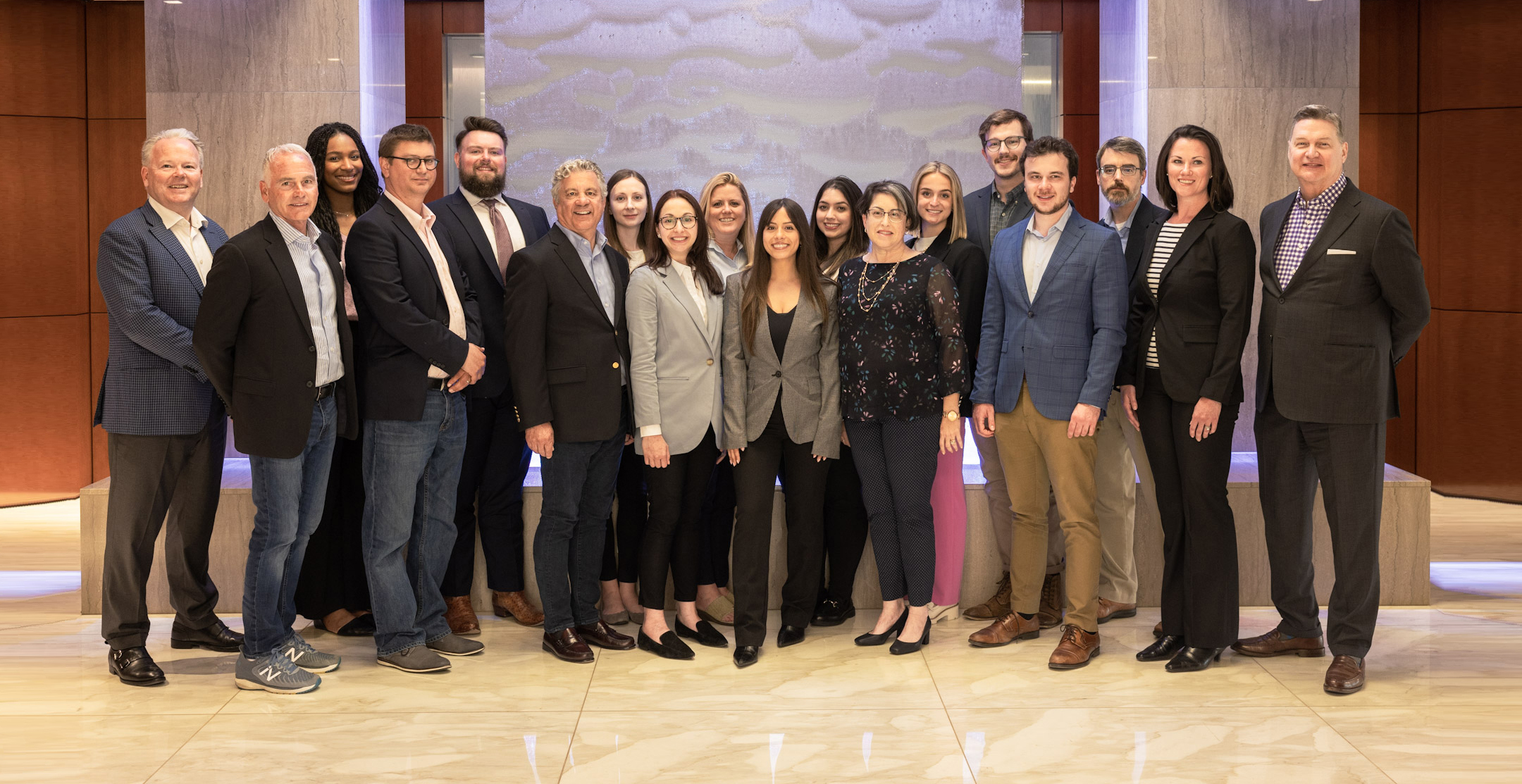
The name closed. The practice crossed the street.
Richard Levick died from cancer on April 11, 2023, at 65. His firm had spent the previous year exploring a closer relationship with Leidar, a Geneva-based consultancy and longtime international partner. At the end of April, LEVICK closed as an independent business. In May, Leidar announced new offices in Washington and New York. Every member of the LEVICK team joined the new U.S. operation.
It was an ending with the neatness clients often pay crisis advisers to arrange. The corporate name stopped. The people, client work and accumulated habits continued. For a firm that had always argued reputation lived in actions rather than a press release, the handoff was fitting. LEVICK’s most durable product was not its logo or even its founder’s formidable profile. It was a way of looking at the dangerous hour: find the facts, widen the frame, assign the decisions and make the next move understandable.
Keep digging
The original firm is closed, but its public profile, founder interviews and successor practice preserve the working record.