Profile
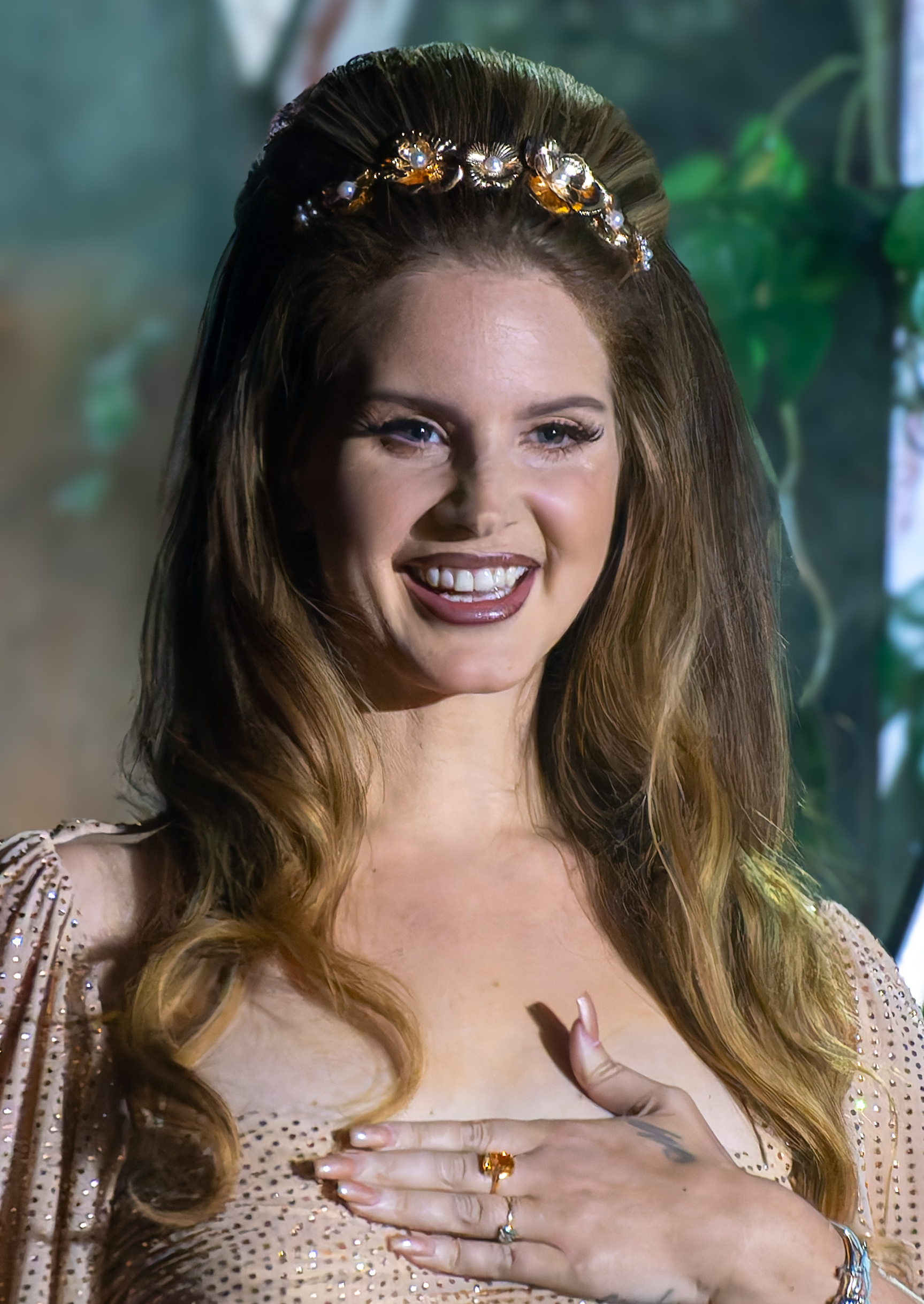
The Woman Who Invented Sad Cool
There is a tunnel under Ocean Boulevard in Long Beach, California. Overgrown, forgotten, slipping under the tide. In 2023, Lana Del Rey turned it into the central metaphor of her most ambitious album - a meditation on what happens when the culture moves on without you. The album debuted at #1 in eight countries. The culture, predictably, did not move on.
That is the Lana Del Rey paradox in miniature. She makes music about being forgotten, and nothing she makes gets forgotten. Her 2012 debut Born to Die has been on the US Billboard 200 for over 520 weeks - longer than any album by a woman in the chart's history. Songs she wrote fifteen years ago soundtrack TikTok moments daily, turning fresh heartbreak into something that feels older and more dignified than it probably is. She is not a nostalgia act. She is nostalgia itself, made contemporary and somehow urgent.
Before any of this, she was Elizabeth Woolridge Grant, born in Manhattan in 1985, raised in Lake Placid, New York. Her mother told her she had a chameleon soul - no fixed personality, no moral compass pointing due north. By fourteen, she had a drinking problem serious enough that her parents sent her to Kent School in Connecticut to sort it out. She got sober at seventeen. She stayed sober. She graduated Fordham University in 2008 with a degree in Philosophy, specializing in metaphysics - which, it turns out, is excellent preparation for writing songs about existence, mortality, and whether the universe loves you back.
She moved to Manhattan to make music. She tried on names - May Jailer, Lizzy Grant - and played small venues and convinced herself the world would find her eventually. A 2010 iTunes release barely registered. Then, in 2011, she uploaded a homemade video of herself singing "Video Games" to YouTube, and the internet inhaled sharply and has not quite let go since.
The video was low-fi, shot on an old camcorder, spliced with clips of Elizabeth Taylor and Marilyn Monroe and old skateboarding footage. It looked like a home movie from a life nobody had actually lived. That was the point. Lana Del Rey was not offering authenticity. She was offering mythology, and it turned out that was rarer and more valuable.
11
Grammy Nominations, Zero Wins
Including Album of the Year for both Norman Fucking Rockwell! (2020) and Did You Know That There's a Tunnel Under Ocean Blvd (2024). The Recording Academy's longest-running inside joke.
What followed was one of the stranger critical careers in modern pop. The early establishment press hated her - sneered at her live performances, questioned whether she was "real," debated whether her aesthetic was calculated or sincere, as if those were opposites. Meanwhile, Born to Die sold millions. Ultraviolence hit #1 in twelve countries. Critics came around. Then came Norman Fucking Rockwell! in 2019, which Rolling Stone would later rank among its 500 Greatest Albums of All Time, and which finally forced critics to stop debating whether she was serious and start debating why they had ever doubted her.
She has been nominated for eleven Grammys. She has never won one. This is the kind of fact that would devastate most artists and has somehow become part of her mythology - another chapter in the story of the person who makes culture kneel and then shrugs when the institutions notice late.
The Did You Know That There's a Tunnel Under Ocean Blvd era is the one we are still inside. Released in March 2023, it is her most nakedly personal album - not world-building but self-examination, a songwriter stopping to ask herself what any of it means and whether it will last. She developed its songs through what she calls "automatic singing," humming free-form into her phone's voice notes app, then sending raw, reverb-covered recordings to composer Drew Erickson, who fleshed them into orchestral arrangements. It is one of the stranger creative processes in contemporary music, and it produced some of the most fully-realized pop of the decade.