The most consequential moment in the history of ICON PR happened before ICON PR existed, at a Comedy Central roast of Gene Simmons. Heather Besignano had come to Los Angeles from Houston with a thin bank account and a very specific ambition: she wanted to work in A&R. The record business, then in one of its periodic states of collapse, had other plans. At the taping she met Amanda Cee, who passed along her résumé to a publicity firm. Besignano was hired as an assistant. The closed door was music; the side entrance was publicity.
Over roughly a decade she climbed from assistant to chief operating officer, working on actors, artists, books and the peculiar endurance sport known as awards season. Then, on January 1, 2018, she opened ICON PR. She has said she did it without loans or debt. She also became a mother that year, which is one way to make ordinary startup stress seem undercommitted.
The people old Hollywood underestimated
ICON PR began as a boutique entertainment and music shop, but its useful contrarian idea had arrived earlier. During the YouTube, Vine and Musical.ly years, Besignano was signing digital talent while colleagues wondered why. These were people with millions of followers, the skeptics said, but nobody would put them on The Today Show. Besignano saw the same facts and reached the opposite conclusion. Millions of people had already made a programming decision. Television would eventually notice.
The bet was not merely that creators would become famous. They already were. It was that their fame would need infrastructure. Managers could negotiate deals and agents could find work, but someone had to decide what the person meant in public - which interview helped, which red carpet made sense, which book was credible, which apparent opportunity was just an expensive costume.
The market gap ICON PR occupies
Talk-show relationships
Awards machinery
Platform fluency
Commercial leverage
That middle is ICON PR's market. Actors now arrive at casting conversations with audience metrics attached. Creators, meanwhile, want books, fashion credibility, film roles, product lines and careers that outlive an algorithm. The agency supplies traditional publicity to the internet-famous and digital fluency to traditional talent. By 2026, Besignano said roughly half the firm's roster was digital.
A press hit is an event. A career is a sequence.
The easiest way to misunderstand a publicity agency is to imagine that it manufactures attention on request. Hire publicist; receive Vogue cover. Besignano uses the word “strategy” three times in a row when explaining why it does not work that way. Before the outlet comes the fit. Before the invitation comes the answer to an awkward question: why should this person be there?
ICON PR's service menu looks broad because modern fame is broad. Its entertainment side develops campaigns around film, television and digital projects, including talk-show segments. Its music practice works on releases, tours and artist development, seeking visibility that can translate into radio play, bookings or label interest. The firm also handles award campaigns, author releases, podcast launches and bookings, corporate and personal branding, rebranding, and crisis communications.
The common product is not coverage. It is a plausible sequence of identities. Mayim Bialik can be an actor, author and podcast host without each role feeling like a random extension. A digital creator can move toward fashion or film without pretending the original audience never existed. A musician can use publicity to reopen a career rather than simply announce another track.
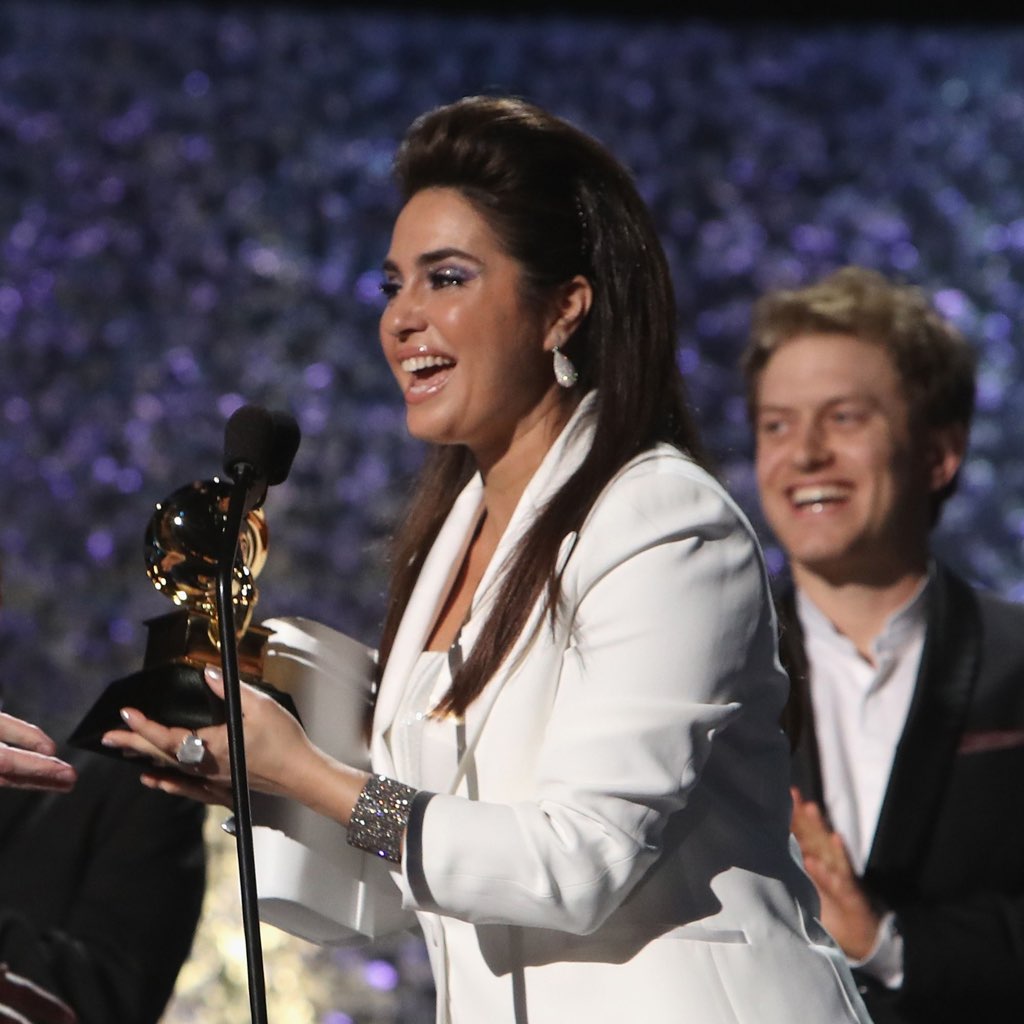
The glamorous work has unglamorous inputs
ICON PR sells tailored campaigns rather than a boxed product. The more instructive costs are human. Besignano has described losing longtime clients, working nine weeks without a day off during awards season, and standing for hours in high heels in the rain. Relationship businesses accumulate value slowly and spend it quickly. A booking depends on judgment, timing and a producer who answers the email because the last booking went smoothly.
The company's public portfolio makes that labor visible after the fact: placements connected to clients in Variety, Billboard, Forbes, W, Teen Vogue, Marie Claire and dozens of other outlets. Its founder and firm were cited on Business Insider's influencer-publicity list across four consecutive years, from 2021 through 2024. The team now includes specialists whose backgrounds run through fashion, television, digital media, book campaigns, live touring and the Nashville songwriting world.
The original A&R route collided with a record-industry downturn. Besignano did not abandon music; she changed her position in its ecosystem. That pivot became the operating model: when the distribution system changes, carry the underlying skill into the new system.
The first 48 hours are mostly about restraint
Nowhere is sequencing more important than in a crisis. Online attention rewards reaction, while crisis work often rewards delay. Besignano's advice is blunt: listen to the team and do not start posting videos on your own. The first 24 to 48 hours reveal whether a flare-up is expanding, whether lawyers need to be involved, whether an apology is warranted, or whether a response would pour fuel into a short-lived controversy.
This is the least photogenic part of the offer and perhaps the easiest to copy. Define the goal before chasing the outlet. Build more than one professional lane before the current one closes. When something goes wrong, separate the emotional clock from the response clock. None of these practices require celebrity. They require someone in the room who can ask whether the exciting idea belongs to the larger story.
There are limits. This model works best when a client already has craft, a project, an audience or a credible reason to enter the conversation. Publicity can connect proof to attention; it cannot substitute for proof indefinitely. A creator unwilling to take direction during a crisis, a brand chasing prestige with no audience fit, or an artist expecting one placement to repair a weak release has removed the conditions that make the method useful.
ICON PR's most interesting achievement, then, is not a particular cover or booking. It is recognizing that traditional and digital fame were not rival species. Each had what the other lacked. Old entertainment supplied institutions, editorial validation and a long memory. Creators supplied direct audiences, speed and cultural leverage. Besignano built a small firm to shuttle credibility across that border. The border keeps moving, which is precisely why the firm has work.