Imagine a banker who knows a farming family well. The land is sound. The borrower has a plan. Yet another mortgage would leave the bank holding too much agricultural debt, or too much exposure to interest rates. The obstacle sits inside the bank’s balance sheet. Farmer Mac works on that side of the desk.
- Local lenders make loans. Farmer Mac helps fund them.
- Loan purchases, guarantees and wholesale financing solve different problems.
- The business now reaches beyond farms into power, renewables and broadband.
That distinction explains a company with a familiar-sounding name and an unfamiliar job. Farmer Mac connects rural lending to national capital markets. A borrower may never encounter it at closing, even when its participation helps make the financing possible.
01 / The loan has two lives
A mortgage begins as a transaction between a lender and a borrower. It can then become an asset another institution buys. Farmer Mac, legally the Federal Agricultural Mortgage Corporation, operates in that second market. Buying an eligible loan can return cash to its original lender and create capacity for another loan.
Selling is only one option. Through AgVantage, institutions can obtain wholesale funding backed by eligible loans. Credit protection arrangements offer another route, allowing lenders to keep loans while transferring specified exposure under a purchase commitment. USDA-guaranteed loan purchases are a separate proposition: USDA supplies the qualifying guarantee; Farmer Mac purchases the eligible guaranteed portion.
Simplified loan-purchase model. Eligibility and transaction terms apply.
The practical benefit is choice. A bank can decide which loans to fund itself, which to sell and which risks to retain. Servicing arrangements may let it remain the borrower’s familiar contact. Each choice changes the economics differently; a guarantee and a sale are different contracts.
“At Farmer Mac, we don’t make loans. We make them better”
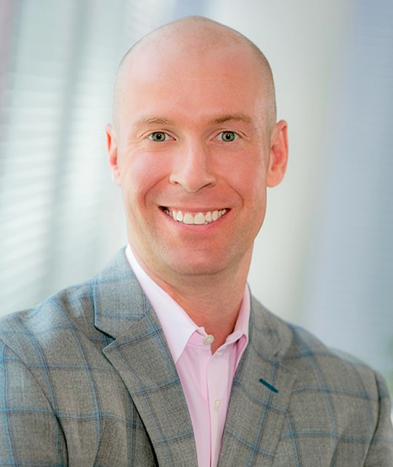
Patrick Kerrigan / Business Development
Farmer Mac’s customer video about Perry Wells Farms and the Bank of Springfield gives that arrangement a human scale. The Illinois farm had a century of history. Financing was part of an ongoing banking relationship, with Farmer Mac supplying tools behind it.
02 / A solution born after the farm crisis
Congress created Farmer Mac in 1988, after the agricultural crisis of the preceding decade exposed how fragile rural credit could become. Falling land values and difficult borrowing conditions had consequences far beyond individual farms. The new institution was intended to improve access to long-term credit at stable rates.
Its design pairs a public purpose with private shareholders. The Farm Credit Administration regulates it. It raises money in capital markets. Its government-sponsored status helps explain its market position, but payments on its debt and equity securities are not guaranteed by the United States government.
03 / The expensive lesson was elsewhere
The company’s 2008 experience complicates any comforting picture of farm finance. Two damaging holdings were Fannie Mae preferred stock and Lehman Brothers corporate bonds. Farmer Mac recorded $106.2 million in write-downs on those investments. Its annual net loss reached $154.1 million, also reflecting substantial derivative valuation losses.
The response was concrete. Management tightened concentration limits, revised investment guidelines and restricted certain derivatives used in funding strategies. Preferred stock offerings raised a net $124.2 million during the latter part of the year to maintain regulatory capital compliance.
Here is a lesson readers can borrow: inspect the assets held to manage liquidity as carefully as the assets at the center of the business. Trouble can arrive through the investment account while attention is fixed on the loan book.
04 / Follow the wire beyond the fence
The word “agricultural” now describes only part of the portfolio. Farmer Mac’s five operating segments include corporate agriculture, power and utilities, renewable energy and broadband alongside Farm & Ranch. Congress expanded its authority to eligible rural infrastructure loans in 2008.
These markets share a financing problem: assets that take substantial money upfront and earn their keep over years. A fiber network needs construction capital before subscribers arrive. A power project needs financing suited to its operating life. Farmer Mac participates through eligible lenders rather than taking the developer’s place at the bank.
Company-reported business volume, including off-balance-sheet business. Rounded segments may not sum to the total.
05 / Capital has a price
Farmer Mac earns money from the difference between asset yields and funding costs, alongside fees for guarantees, commitments and servicing. It must finance its own balance sheet before helping somebody else’s. In May 2026, it priced $100 million of preferred stock carrying a 6.875% annual dividend rate when declared.
For borrowers, there is no single Farmer Mac checkout price. Rates and costs depend on the lender, loan structure, credit and market conditions. Compare the full financing proposal, including amortization, fees and prepayment terms. The presence of a secondary-market buyer does not make every offer equally attractive.
For lenders, the alternative may be holding the loan with deposit funding, arranging a participation or finding another buyer. Farmer Mac’s distinctive position combines a federal charter, specialized rural underwriting and national funding access. The right route depends on what constraint actually needs solving.
In December 2025, one securitization assembled 343 agricultural mortgages into a $313.5 million pool. A $290 million senior layer carried Farmer Mac’s guarantee; a $23.5 million subordinate layer did not. That structure gives investors different exposures to the same underlying pool of farm loans.
06 / Keep the relationship. Choose the exposure.
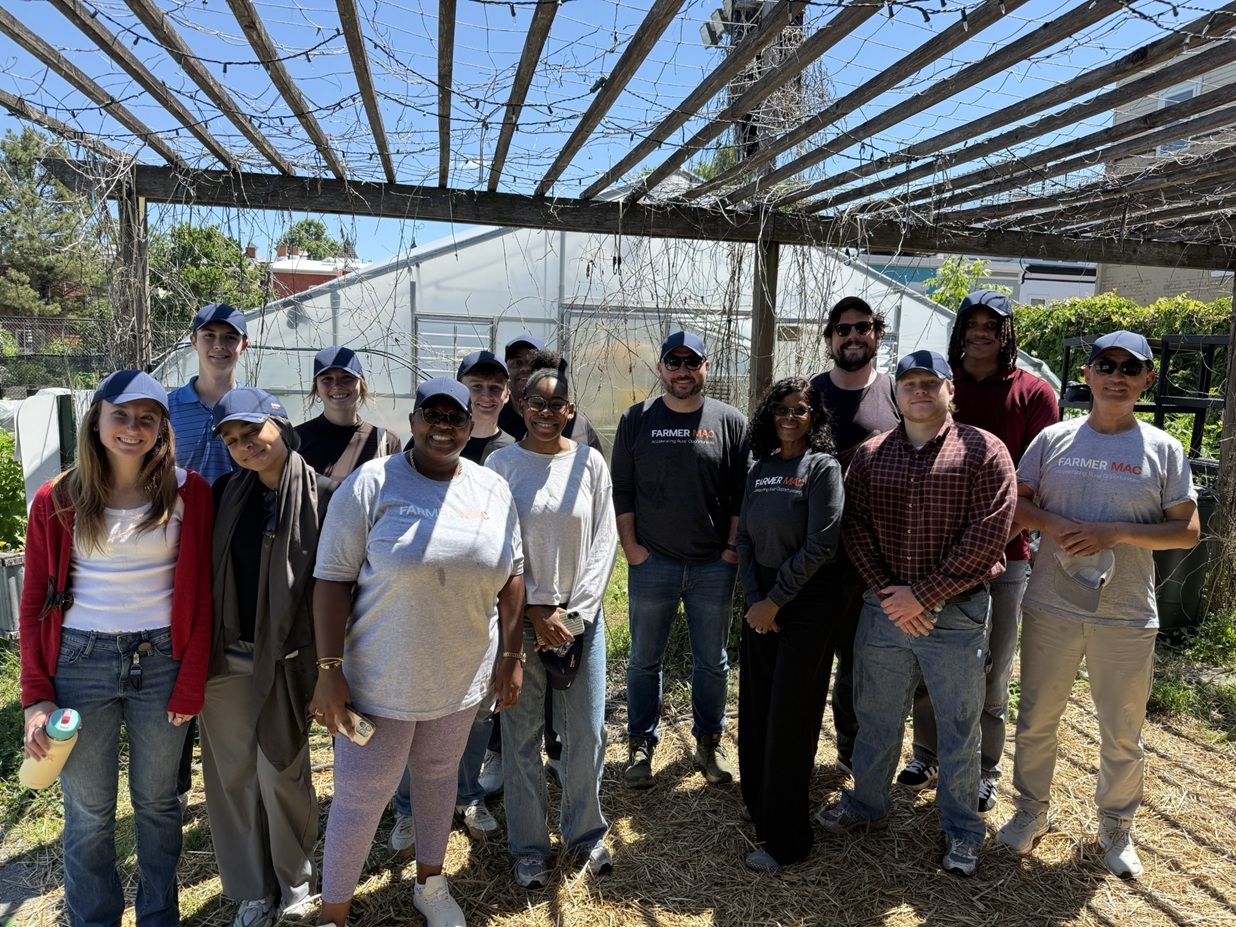
Zachary Carpenter became CEO on July 1, 2026, succeeding Brad Nordholm. That month, Farmer Mac launched its Farm & Ranch loan platform, FLX. The company’s stated culture emphasizes relationships, integrity and its rural mission; its careers materials also show employees volunteering together.
A farmer can start with the company’s lender directory and ask which programs fit the proposed borrowing. An institution considering Farm & Ranch loan sales faces a different checklist: seller approval, operating agreements and program requirements. Access to the market comes with an entry process.
The model still needs eligible loans, sound underwriting, adequate capital and functioning funding markets. It cannot turn an unviable farm into a creditworthy borrower. Its useful insight is organizational: the institution closest to the customer need not carry every dollar of funding and every risk. For a rural lender, separating those decisions can create room for the next family through the door.