There is a revealing distinction in English Language and Literature’s course catalogue. One product gives a learner a teacher’s undivided attention. Another puts that learner into a conversation with other people, through a messaging platform they may already use. The first makes room for correction. The second makes room for repetition. Together, they suggest a practical question: where does an English lesson go after the teacher says goodbye?
- Private tuition adapts to the learner; speaking sessions focus on workplace communication.
- Speaking practice lists a one-hour lesson at €16, with four package sizes.
- Learning groups use text and voice notes; live calls depend on the facilitator.
The school’s answer is to offer both places. It sells online instruction and recurring learning communities, with courses for everyday communication, professional situations, and academic study. Its stated audience is non-native speakers worldwide, particularly in Europe. The offer is broad, but the recurring idea is specific: give English something useful to do.
The €16 decision
Start with the speaking course. Its description promises private, one-hour online lessons with an experienced teacher. The curriculum includes meetings, presentations, client conversations, and role-play, with feedback on pronunciation and fluency. These are situations in which knowing a word and producing it comfortably can feel like different accomplishments.
The price list is unusually easy to interrogate. One lesson costs €16. Seven cost €112. Thirty cost €480. A hundred cost €1,600. Each package lands at the same €16 per lesson. There is no listed volume discount in that table. Buying more purchases more sessions; it also increases the commitment.
That makes a single session a sensible way to evaluate the fit. Bring a presentation opening, an interview answer, or a conversation you keep postponing. See whether the feedback helps. This is a buying strategy, rather than a promise about results. The smaller purchase lets the learner assess the teacher before making a larger one.
General One-on-One Lessons are a separate offering. Their detailed description specifies half-hour sessions and a broader choice of skills, including reading, writing, listening, grammar, and exam preparation. Identical headline prices can therefore conceal different amounts of teacher time. Reading the product description matters.
A group chat with a job to do
The learning communities address a different part of the timetable. The school lists WhatsApp, Telegram, Signal, Microsoft Teams, and Discord among its platform choices. Members can discuss, practise vocabulary, work with reading material, and take part in conversational activities. The setting is familiar; the purpose is deliberate.
“You do not need perfect English to start speaking.”
English Learning Groups product page
Its group FAQ supplies a useful detail. Voice notes are allowed, while live speaking calls depend on the facilitator’s direction. The primary format is text and voice. Someone shopping for a scheduled video class should make that distinction before subscribing. A voice message and a live conversation put different demands on the speaker.
Pricing also deserves a close look. The product displays a starting subscription of €1 a month, while its introductory copy says €2. The current FAQ directs buyers to the individual group listing for the cost and says cancellation is available. Treat the selected option’s checkout price as the practical question to settle.
Bring a goal. Practise a task. Receive individual feedback.
Read, respond, discuss, and practise through text and voice.
There is a trade-off here worth understanding. Text gives a learner time to compose an answer. A voice note offers a chance to speak without everyone waiting on the line. A live call demands a response in the moment. Each can be useful practice, but a buyer should match the format to the situation they want to handle. Someone preparing for an interview may want the pressure of that immediate response.
Meetings on Monday. Literature on Tuesday.
Business English gives the school an obvious professional audience: managers, entrepreneurs, customer service staff, and job seekers. Its advertised tasks include emails, negotiations, reports, and presentations. For a prospective learner, this creates a useful way to describe a goal. “Help me handle questions after my presentation” is a more workable brief than “make me fluent.”
The literature offering takes the catalogue somewhere else. English Literature Guidance addresses prose, poetry, drama, theory, and critical analysis. Its audience includes school and university students, as well as independent learners. Help with essay structure and academic arguments belongs here alongside discussion of literary devices. The company name earns its second half.
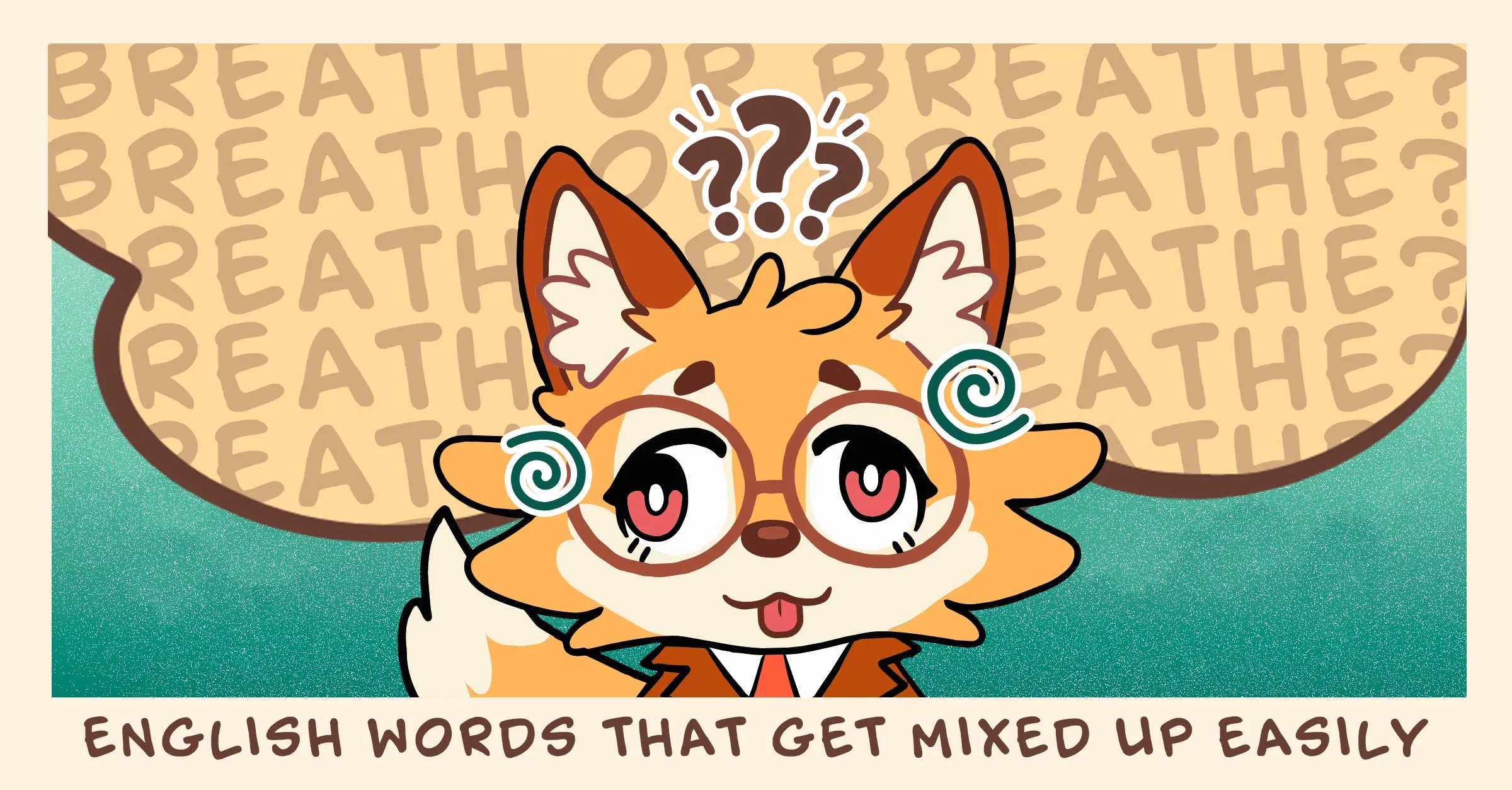
Public articles provide another doorway. An October 2026 guide examines easily confused words, including “breath” and “breathe,” and “compliment” and “complement.” Other posts cover business communication and literary techniques. Readers can sample the school’s explanations before purchasing instruction. The library also shows how often language learning comes down to a small distinction used correctly.
That breadth makes the choice of teacher especially consequential. A learner working through a poem needs a different session from someone rehearsing a sales presentation. The catalogue gives both a place, but a useful first conversation should establish the actual task, the relevant teaching experience, and how the session will be used.
The people behind the practice
The public careers operation is revealing in its own way. It advertises remote internships across human resources, business, marketing, graphic design, and writing. Separate writing vacancies describe a low-budget startup and explicitly unpaid or volunteer roles, typically lasting 12 weeks at 20 hours a week. These terms matter to prospective applicants.
The careers page emphasizes collaboration, mentorship, and flexible hours. Those are the employer’s stated priorities. The practical picture is an education business that also recruits people to produce content and support its operations. A learning library needs writers and designers as well as teachers.
Bring a real problem
For buyers comparing online tuition, this school’s relevant combination is individual teaching, professional practice, literature support, and messaging communities. An independent tutor, a live online school, or a self-paced application can serve some of the same needs. The choice turns on the kind of attention and participation a learner wants.
The idea worth copying is modest: choose one real communication task, practise it with feedback, then create another occasion to use it. Check lesson length, available times, and package terms before paying. A group subscription suits someone willing to contribute through text and voice; a private lesson suits someone seeking concentrated attention. Begin with the conversation you actually need to have.