Person · Founder · Healthtech
Colby
Colby
Takeda
He gave a 90-year-old a cheap camera. She lived to 100. That instinct - give people the right tool and watch them rise - became a company.
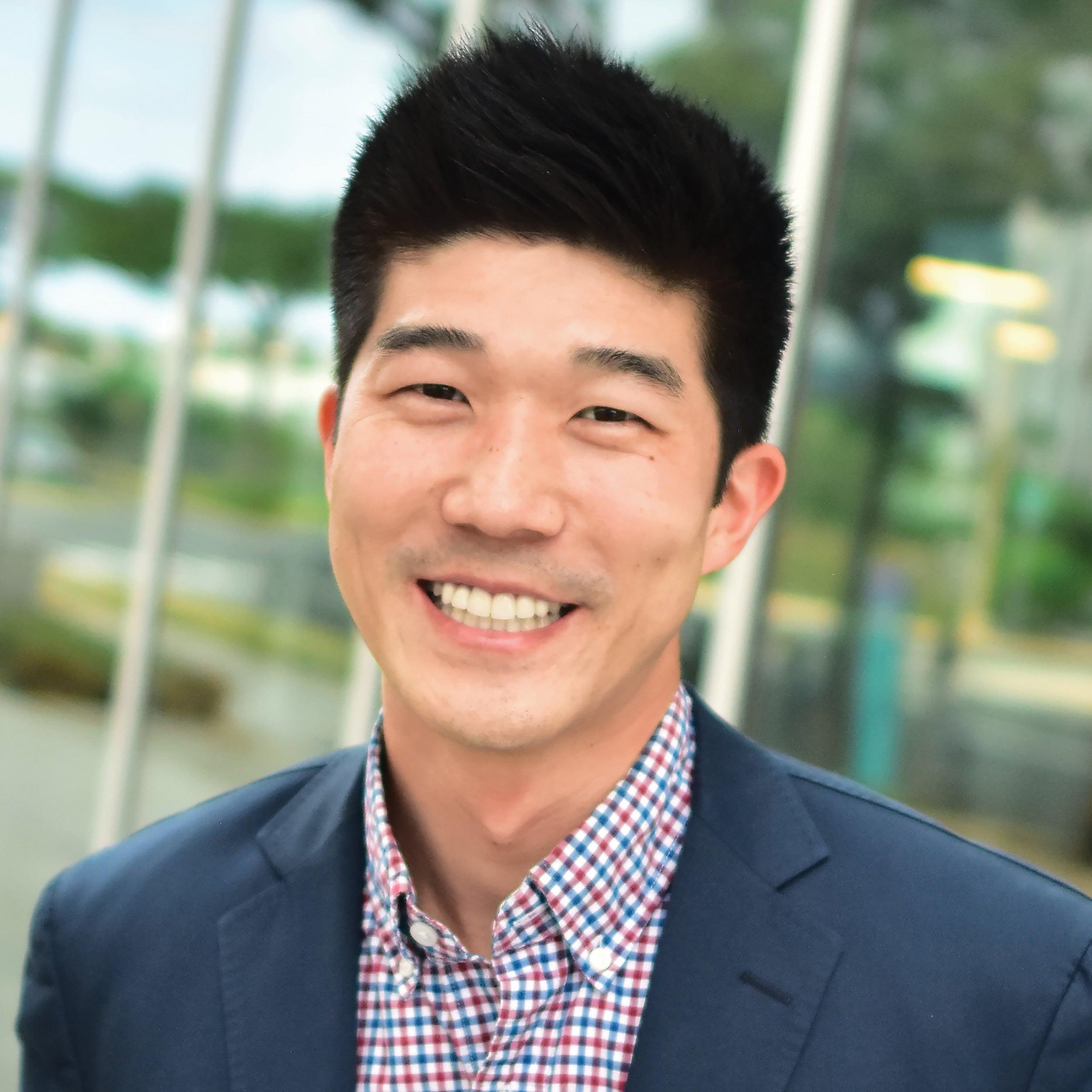
He gave a 90-year-old a cheap camera. She lived to 100. That instinct - give people the right tool and watch them rise - became a company.
Colby Takeda runs a company built on a quiet, almost stubborn conviction: the person who knows your neighborhood, speaks your language, and shares your lived experience is not a nice-to-have in healthcare. They are the infrastructure. That person is a community health worker, and Pear Suite - the digital health company Takeda co-founded in 2021 - exists to give them software, a paycheck, and a seat at the table.
In October 2025, the bet got louder. Pear Suite raised a $7.6 million Series A led by Rock Health Capital and Nexxus Holdings, with backing from Mucker Capital, Enable Ventures, The SCAN Foundation, Acumen America, Impact Engine, and the California Health Care Foundation. The money goes toward an AI-powered platform, more provider partnerships, and a deeper push into Medicaid and Medicare. The goal Takeda keeps repeating is not "scale" in the abstract. It is to make community health workers foundational to the healthcare system, and to make sure they actually get reimbursed for the work.
What makes that mission credible is that Takeda is not narrating it from a distance. He is a registered community health worker himself. He teaches community health at Chaminade University's School of Nursing and Health Professions. He sits on the board of the National Association of Community Health Workers. When he talks about staying close to the user, he means he has done the training and walked the floor.
Pear Suite did not start as a polished product. It started, like a lot of honest things, as a workaround. During the COVID-19 pandemic, the first version ran on Google Sheets and Typeform - a duct-taped system for helping community health workers assess and address the social drivers of health: food, housing, transportation, education, and plain human connection. The proprietary software came later. The problem came first.
That sequence tells you something about how Takeda works. The pandemic also produced a smaller experiment that reads like the company in miniature. With Dr. Christy Nishita, he co-founded a pen-pal program that paired isolated seniors with students for phone and video calls. It was a low-tech answer to loneliness. Then the same trusted relationships became a channel to raise vaccination rates. Build the human connection first; the health outcomes follow.
Takeda grew up on O'ahu, a fourth-generation Japanese American and the eldest of three. His grandparents handed down Japanese culture, language, and values, and one piece of advice in particular: just say no - to the risky stuff. Years later a life coach flipped the script and told him to just say yes - to community opportunities, to rooms he wasn't sure he belonged in. He credits that second instruction with most of the doors that opened.
His first one he opened himself. He cold-emailed a woman named Cindy Adams looking for an internship at a small nonprofit. She said yes. He took on event coordination, volunteer management, and communications, and by 22 he was running local operations. He went on to become a senior living executive in Hawaii, helping open facilities that cared for hundreds of older adults, then led policy and partnerships for the Blue Zones Project at Sharecare. Every step circled the same idea: communities get healthier when you invest in people, not just patients.
A 90-year-old woman with chronic back pain and a walker. He handed her a cheap camera. She fell for photography, moved more, connected more, and lived to 100 - crediting the camera with a second life. The whole Pear Suite philosophy in one gift.
Over 4,000 Gold Stars banked. Every Howard Schultz book read. A signed, framed Schultz photo on the wall. He once tried to get hired at Starbucks - not for the wage, but to learn how a company trains people and earns trust at scale.
Most healthtech CEOs describe their users. Takeda is one. Registered community health worker, instructor of the course, board member of the national association. The credibility isn't borrowed.
Takeda is not anti-technology - he is building it. But he is sharp about its limits. His position on AI in healthcare is that chatbots alone tend to widen the gaps for the people who can least afford it: communities of color, older adults, people who don't speak English, people with disabilities. The fix, in his telling, is not to replace the human worker but to arm them. Keep the human in the loop, and you keep the trust and cultural context that make care actually land.
That belief shapes how Pear Suite spends its new capital. The platform leans on AI for the grind - workflows, documentation, billing, the paperwork that buries frontline staff - so the worker can spend time being a person to another person. Co-founder Nick Lockett, a Duke-educated engineer who built teams at Microsoft, runs the technical side, turning messy community data into something a health plan will pay against.
One of Takeda's most practical convictions is that mission without a business model is a hobby. Community health workers have always done essential work; what they have lacked is a reliable way to get paid for it. A lot of Pear Suite's effort is unglamorous plumbing: reimbursement pathways, Medicaid and Medicare billing, health plan contracts. The romantic part - dignity for frontline workers - depends entirely on the boring part working. Takeda seems to enjoy both.
He gives the same advice to young people who ask how to start. Get out of the house and volunteer. Find a cause you care about and contribute one of the three W's - wealth, wisdom, or work. When you have little money, he points out, time and energy are the most valuable things you can give. It is the cold-email-to-Cindy-Adams story, generalized.