Britt St. George was about ten when she watched Jerry Maguire and decided that being a talent agent looked like a reasonable use of a life. Many children leave a movie wanting the car. She wanted the job. The attraction was the chance to stand behind someone else’s ambition, argue for it, and help turn it into something that could actually happen.
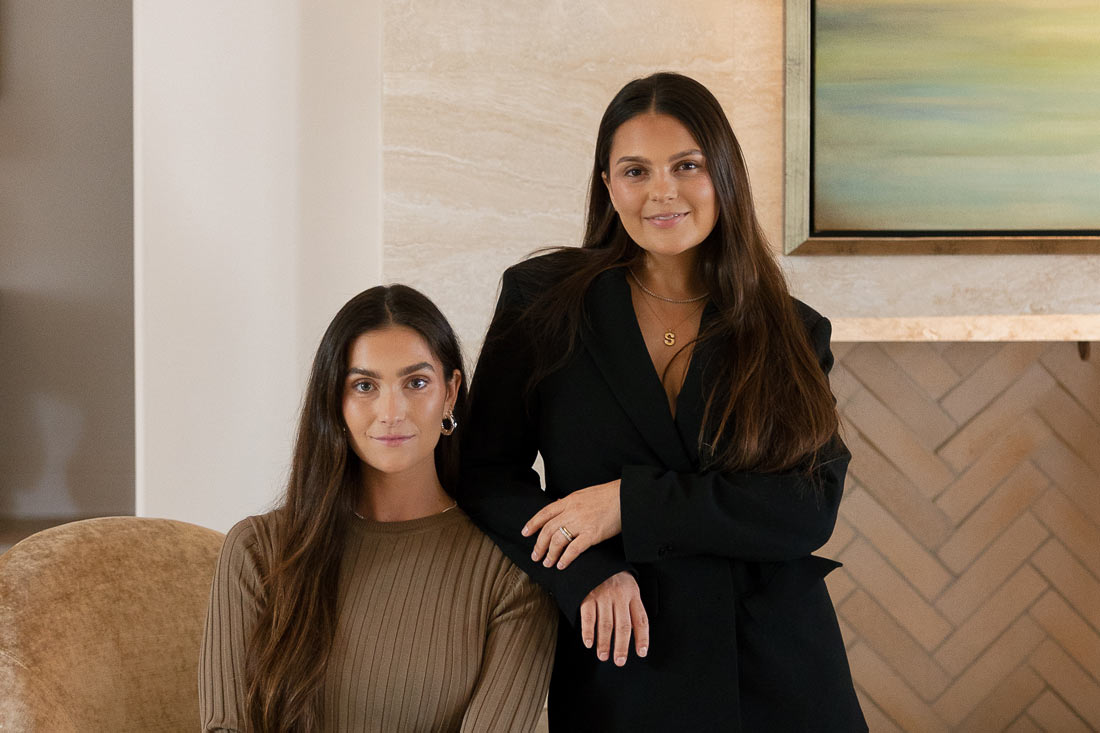
She eventually co-founded SMITH&SAINT with her sister, Madison Smith. St. George became CEO; Smith became COO. Their business would bring together legal training, influencer marketing, and the complicated commercial lives of people whose most visible work happens in public. The childhood wish acquired an inbox, a roster, and the usual shortage of hours.
A movie, then the paperwork
Law school gave St. George a way toward the profession she had imagined. Influencer marketing gave her experience in a market still forming around its participants. Those two educations fit together rather well: one concerned what people agreed to do, the other concerned what an audience might believe when they did it.
Her view of leadership is correspondingly practical. She has urged aspiring executives to understand the work throughout their businesses, including the unglamorous parts, so they can support colleagues and delegate with knowledge. “Don’t be above anything!” is her own economical version. There is very little room in that instruction for a founder who considers the small jobs beneath her.
That hands-on approach helps explain the agency she and Smith developed. Talent representation can involve strategy, negotiations, campaign concepts, and the personal relationship that makes difficult conversations possible. A founder may have a vision for the whole operation. A client still needs someone to answer a specific question on a specific afternoon.
The message that changed the business
In 2018, Olympic gymnast Nastia Liukin sent the sisters a direct message about help shooting a Hanes campaign. It was a bounded assignment: make a campaign happen. Afterward, their relationship developed, and Liukin was looking for representation for the next stage of her career. An individual project had opened a much larger conversation.
Working with Liukin gave the sisters confidence that they could help talent build a life beyond competition. Their agency became official in 2018. A consulting operation that had served brands was finding its purpose on the other side of the relationship, alongside the person whose name and image carried the campaign.
By July 2024, that relationship had become a much broader presence in gymnastics. The roster included Olympic fencers Lee Kiefer and Gerek Meinhardt, too. St. George described representation as a continuation of the support athletes know from coaches and teammates, with conversations about family and future goals alongside the next commercial agreement.
The sisters ultimately committed to representing talent exclusively. St. George has identified that change in business model as a particular source of pride. Choosing a clearer purpose meant working through uncertainty. It also established whose career the business was there to serve when an appealing project, a brand’s preferences, and a client’s ambitions pulled in different directions.
Three places on a five-person team
At the Paris Olympics in 2024, SMITH&SAINT represented Suni Lee, Jade Carey, and Hezly Rivera: three members of the five-person U.S. women’s artistic gymnastics team. For an agency founded six years earlier, that was a striking concentration of relationships at one event. For St. George, it also meant thinking well beyond the competition calendar.
by SMITH&SAINT
Lee and Carey had already experienced the intersection of Olympic visibility and college sport. Commercial opportunities involving their names, images, and likenesses added another dimension to those years. St. George has emphasized the value of being able to pursue a degree, take part in collegiate competition, and develop a business presence at the same time.
That combination changes the conversation an agent can have with a young athlete. College becomes part of a commercial and professional story while it is still unfolding. A relationship with an audience can develop across seasons, rather than having to begin from scratch when the athlete’s competitive career ends.
St. George’s agency has encouraged athletes in sports with limited professional pathways to build their social presence while they are competing. The work includes translating athletic experience into a continuing relationship with followers and potential partners. A fan who arrives for a result may stay for the person, provided there is something worth following between results.
When the whole internet calls
Stephen Nedoroscik presented another version of the same problem. His pommel horse performance helped the U.S. men’s gymnastics team win bronze in Paris, and his sudden popularity brought commercial interest with it. In August 2024, he signed with SMITH&SAINT. St. George, Smith, and talent manager Lexi Radisic were named as the team working on his representation.
The assignment covered endorsements, speaking opportunities, personal brand development, and career planning. Brands were expressing interest across activewear, gaming, food and beverages, and eyewear. Each category offered a different possible future use of the attention he had earned. The agency’s immediate task included developing a longer-term strategy.
There is an obvious temptation to treat sudden fame like a closing-down sale: take everything while it is available. The range of Nedoroscik’s opportunities illustrates why someone needs to consider the sequence. A commitment made quickly can shape what becomes possible later. Interest from several industries is useful only if the eventual work fits the person doing it.
By 2025, his activities included an eyewear partnership and an appearance on Dancing with the Stars. St. George’s account of working with him begins with making space for the person experiencing the upheaval. She describes support as the agency’s first responsibility. It is a plain priority for a job conducted amid rather a lot of excitement.
“Our first priority is being there as a support system.”
Britt St. George
Her agency works with athletes in disciplines where the next step may require invention. There may be television, commentary, an influencer business, or a commercial partnership to explore. A competition produces a ranking. It cannot provide a complete answer to what someone wants their working life to become.
Read the storyboard first
Ask St. George about a partnership, and the lawyer becomes easy to spot. She pays attention to what has been agreed before a campaign is executed: the scripts, the storyboards, the overall message. Those details determine what the client will actually say and do, long after an announcement has made the agreement sound pleasantly simple.
She also describes making the protections reciprocal and checking the implications of existing associations before negotiations advance. An athlete can belong to a larger sporting organization with its own commercial relationships. A proposed deal arrives inside that web of obligations. Discovering a conflict late is an expensive way to learn that everyone should have asked earlier.
- 01Understand the client’s priorities
- 02Examine the script and message
- 03Check existing associations
- 04Agree protections for both sides
A schematic of the questions St. George describes asking in partnership negotiations.
Her legal background informs how she weighs concessions as well as demands. In-house experience teaches a representative to decide where to spend negotiating effort. The useful question is what matters enough to hold firm on, and what can reasonably move. A contract with every conceivable objection preserved in amber would be a splendid museum piece and a tiresome working relationship.
The agency’s longer-term aim is to help athletes establish careers that can continue after sport. Its team describes planning in stages and benchmarks, a structure familiar to people accustomed to training plans. That makes commercial development a sequence of work to undertake, with opportunities to assess progress, rather than a vague promise that fame will somehow pay the bills.
The same planning helps explain the agency’s interest in women’s sports and other areas where commercial attention has been uneven. Its founders have described working with individual athletes to understand their values and build partnerships around them. The process depends on the individual: what she wants to say, which audiences already respond, and what kind of work she would like to sustain. For St. George, representation joins those choices to the practical business of making an agreement. It puts a commercial structure around a client’s ambitions while leaving room for the ambitions to change.
A larger company, the same close quarters
In March 2026, SMITH&SAINT introduced a new identity developed with Studio Kiln. The agency reported roster growth of more than 170% over the preceding two years, and more than $48 million in athlete deals negotiated through 2028. Those are figures for the agency’s work, with the deal total extending into future years.
The expansion included services around sports, digital, and culinary talent: affiliate marketing management, public relations, content production, and venture building through S&S Ventures. It reflects a broader range of client ambitions, from commercial collaborations to developing companies. St. George describes athletes becoming media brands and business founders, with creators also seeking ownership in partner businesses.
For the sisters, growth puts a practical question beside the attractive numbers: how to keep individual relationships close while offering more kinds of help. Their partnership combines clearly defined roles with the familiarity of family. Smith has described St. George as the forward-looking strategist; St. George credits Smith’s ability to build culture and make colleagues feel heard.
Outside work, St. George has described life with her husband and daughters in Southwest Florida, evenings that can include another round of calls, and a Kindle waiting at bedtime. She estimated reading 47 books in 2024, with a taste for romantasy and Sarah J. Maas. For 2025, she wanted to try gardening and bread making with her girls.
“Does gardening count?” she asked when discussing skills she hoped to learn. It counts. Someone whose business involves planning what comes next for other people is allowed a project that grows at its own speed. The inbox can propose as many deadlines as it likes. Bread remains difficult to negotiate with.
Keep the conversation going
Explore the agency, follow Britt, or read the conversations behind her public career.
- SMITH&SAINT website
- Britt on LinkedIn
- Britt on Instagram
- The sisters in conversation with The Sybarite
- Athlete representation, in SUCCESS
- The 2026 relaunch, in Sports Business Journal
- The details of athlete partnerships, in Glossy
- College opportunities and the Paris Games, in Forbes
- The founders on representation, in CEOWORLD
- Their agency Q&A in CEO Weekly (brand-authored)
- The agency’s Olympic connections, in Sports Business Journal
- Stephen Nedoroscik’s signing, in Sports Business Journal