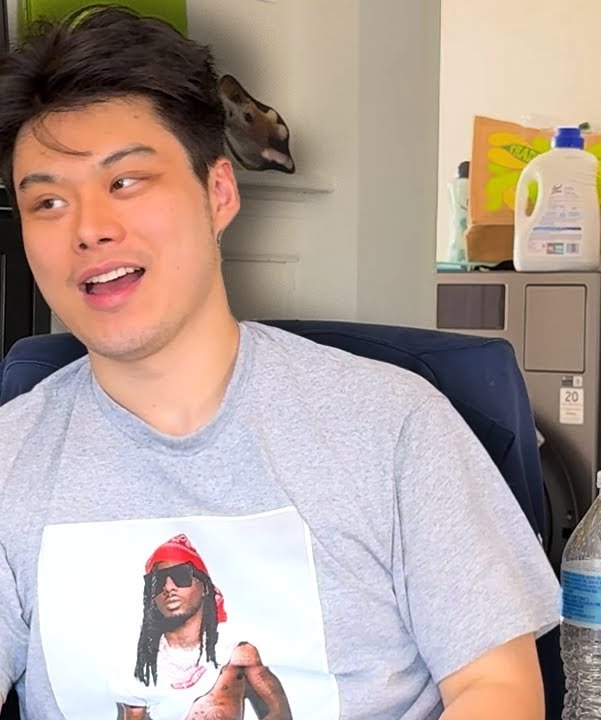
A favor that got out of hand
Allen Wang runs Ditto, an AI matchmaker that does the one thing dating apps spent a decade teaching us to avoid: it gets you off your phone and into a chair across from a real person. No infinite grid of faces. No three-day text negotiation about coffee. Ditto reads what you say you want, decides who you should meet, picks the time and the place, and sends the whole thing to you over iMessage. Your only job is to show up.
That is the product. The origin is stranger. Wang and cofounder Eric Liu, both undergraduates at UC Berkeley, reportedly started the thing as a favor - they wanted to help a roommate find a girlfriend before graduation. The favor worked well enough to keep going. The two left Berkeley to build it full time, which is the Bay Area's version of a coming-of-age ritual: trade the diploma for the cap table.
What they built sits dead against the grain of the industry it competes in. Swipe apps make money when you stay. Every notification, every almost-match, every unanswered message is engineered to keep your thumb moving. Ditto wins on the opposite bet. It only succeeds when you leave - when you close the app, walk across campus, and meet someone. Roughly one in five Ditto matches turns into an actual date. Wang treats that number as the only one that matters.
We wanted to get rid of that middle step of finding a date - the swiping and the small talk.
How the machine plays cupid
Under the hood, Ditto builds a model of you from what you tell it about yourself and what you're after. It weighs preferences, availability, and where you actually are on campus, then curates a complete plan and texts it over. After the date, you tell Ditto how it went, and the next match gets sharper. The company has leaned on AI tooling - Langchain, LangGraph, the usual modern stack - to reason about what it calls people's "intrinsic values" rather than their gym selfies.
The contrarian framing - "blind curation," they call it - is meant to strip out the anxiety and the performance. No profile to optimize. No photo to agonize over. You answer a short quiz and trust the algorithm to do the awkward part. For a generation that grew up rating and being rated, the pitch lands as a small act of rebellion: let the robot judge, so you don't have to.
Why investors leaned in
In early 2026 Ditto closed a $9.2 million seed round led by Peak XV Partners, with Gradient Ventures, Scribble Ventures, Alumni Ventures, and Llama Venture joining in. The money rides on traction that grew mostly by word of mouth: about 42,000 users across four University of California campuses, with more than a quarter of new signups arriving through referrals. On a college campus, a dating app spreads the way gossip does - one good date at a time.
Ditto, by the numbers
Marketing like a maniac
The branded Cybertruck
To get noticed, the team wrapped a Cybertruck in Ditto branding and parked it where students couldn't miss it. Subtle was never the strategy.
A "Black Mirror" date party
At UC San Diego and Berkeley, Ditto ran a dating experience built like an episode: a five-minute quiz, no swiping, no chatting, just vibes.
Algorithmic yacht parties
The company planned a run of large blind-date events - boats included - where the pairings were chosen by Ditto's matching engine.
Greek-life rollouts
Expansion runs through the social machinery already on campus: big events co-hosted with the houses that throw the parties.
Where it's headed
Wang isn't shy about the ambition. Ditto starts with college romance, but the longer plan points past it - toward professional networking and social events, the same matchmaking engine pointed at every kind of connection a young person is told to make and rarely enjoys making. The near-term job is simpler: more campuses, more dates, more proof that people will trust an algorithm to handle the part of dating everyone secretly hates.