Co-Founder & CEO / Brellium
Zach Rosen
He lost two years to a misdiagnosis. Then he built the machine that reads every chart so you don't have to.
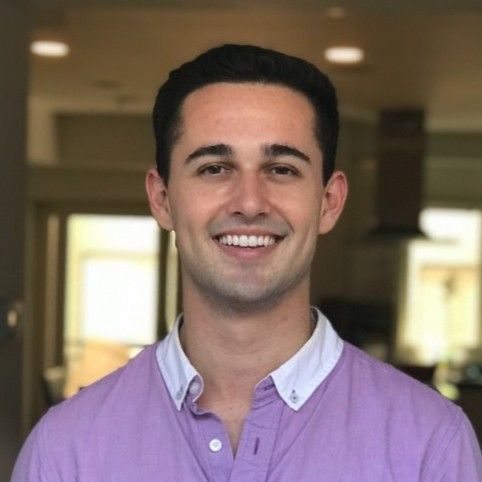
Zach Rosen. The man behind the chart that reads itself - and 999 standards besides.
He lost two years to a misdiagnosis. Then he built the machine that reads every chart so you don't have to.
Zach Rosen will tell you the origin story plainly: years before Brellium existed, a misdiagnosis snowballed into roughly two years of frustration. The maddening part came later, when he learned the whole detour could have been avoided if a couple of boxes had been checked in his chart. Not a heroic intervention. Not a rare disease. A couple of boxes. That is the kind of detail that lodges in a person and refuses to leave.
So today he runs Brellium, the New York company whose AI screens every patient visit a provider group produces and checks it against more than a thousand clinical and payor standards before a claim ever leaves the building. Copy-pasted notes, contraindicated medications, billing that does not match the documentation - the software flags them in real time and tells the clinician how to fix it. The pitch is almost rude in its simplicity: stop sampling charts and start reading all of them.
Compliance teams in healthcare have long pulled a sample of charts, reviewed them by hand, and hoped the sample was representative. Brellium's premise is that hope is not a strategy. Its AI audits the full population of charts as they are written, surfacing risk before it hardens into a denied claim or a clawback.
The company is blunt enough to put money behind the model. If a payor claws back reimbursement on a chart Brellium approved, Brellium says it will foot the bill. In an industry that loves a hedge, that is a notably unhedged sentence.
Provider groups that have handed Brellium the keys to their charts:
Brellium was started to improve the standard of care in the US healthcare system - measurement-based, clinically accurate, compliant care that helps people get healthier, faster.
Zach Rosen, on the company's founding missionRosen did not arrive at healthcare through a white coat. He came through code and capital. He started as a software engineer at Paycom, building payroll and tax software. He moved to Moelis & Company, working mergers and acquisitions as an investment banker. Then he left finance to co-found Sapien, a healthcare procurement firm that served the likes of Henry Ford Health and USC's Keck School of Medicine.
Read the resume backward and it looks like deliberate triangulation: the engineer who could build it, the banker who could fund it, the operator who already knew the buyers. Brellium is where those three lines meet.
Andrew Adams (Headway CEO), Steve Gutentag & Demitri Karagas (Thirty Madison), Cory Levy (Z Fellows), and Fiat Ventures.
Series A closed April 2025. Figures per company and press reporting.
The throughline from misdiagnosis to mission is not subtle, and Rosen does not pretend it is. The goal is a healthcare system where every visit is documented accurately and compliantly - so providers get paid correctly and patients get healthier, faster. He is, in effect, trying to make sure the boxes get checked. All of them. Every time.