Company Profile · Mobility · Nashville, TN
Yoshi Mobility
The waiting room is empty. The service bay is your driveway. Yoshi brings car care to the car - maintenance, inspections, and a charge - so you never lose a Saturday to a lobby again.
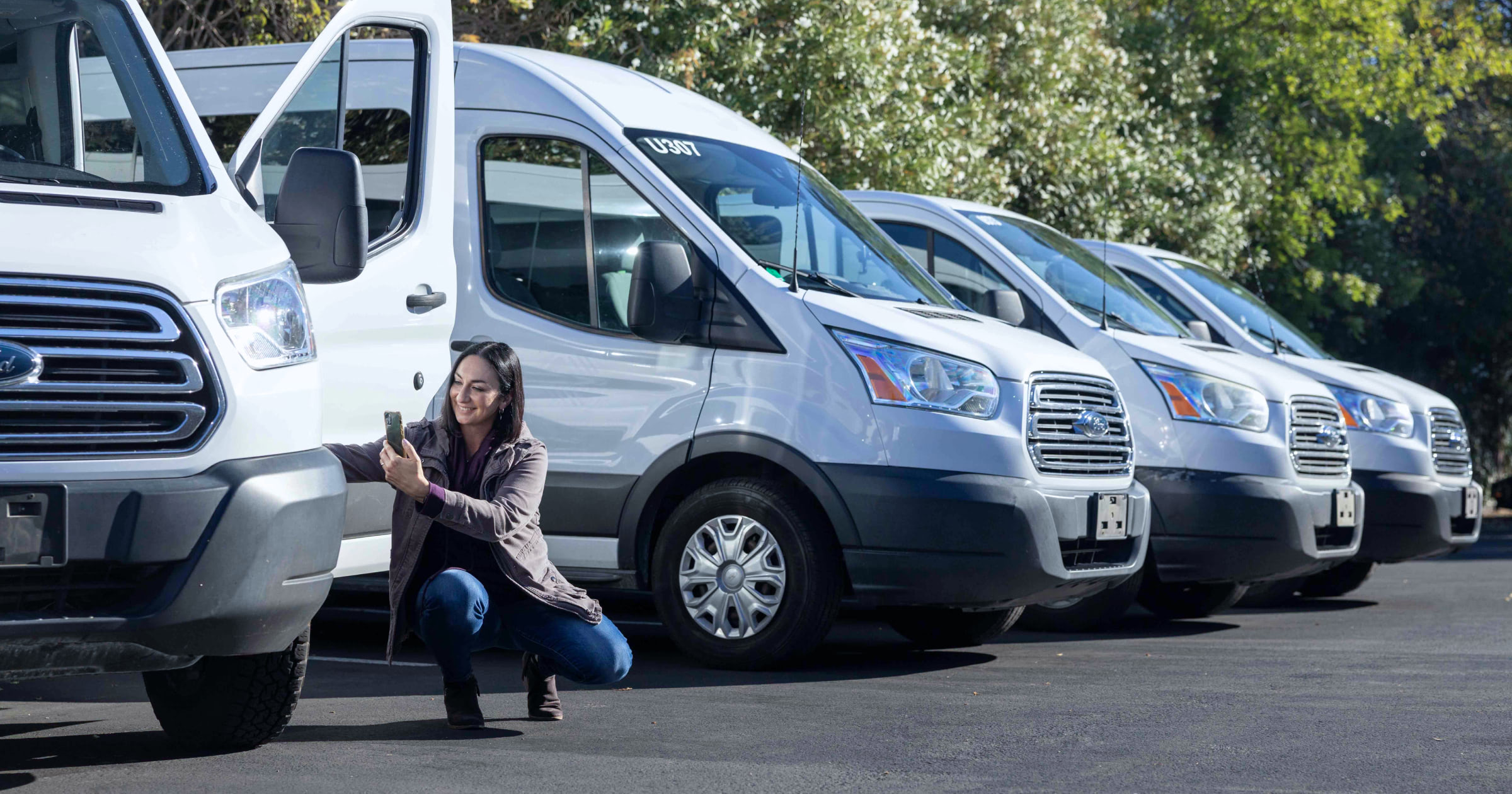
The waiting room is empty. The service bay is your driveway. Yoshi brings car care to the car - maintenance, inspections, and a charge - so you never lose a Saturday to a lobby again.
A Yoshi technician pulls into a parking lot, opens a panel van, and changes the oil on a delivery fleet before the drivers finish their coffee. Three states over, a Turo host points a phone at her sedan and an inspection that used to mean a half-day errand wraps in about ten minutes. Somewhere a stranded EV gets a charge without a tow. None of these people drove to a shop. That is the whole idea.
Yoshi Mobility is a Nashville company that decided the most broken part of owning a car is the part where you have to take it somewhere. So it stopped asking customers to come in. Today it runs three connected lines of business - preventative maintenance and tires, virtual vehicle inspections, and mobile EV charging - across operations in 15 states and service in all 50.
Car care is built backwards. The vehicle that exists to save you time demands it back - in drop-offs, loaner shuttles, and afternoons spent reading year-old magazines. For a commuter it is an annoyance. For a rideshare driver or a fleet operator, every car in a service line is a car not earning money.
That math gets worse with electrification. EVs change where the friction lives: not the oil change, but the charge, the inspection, the compliance paperwork. The shop model was designed for a world that is quietly disappearing, and it has the patience of a DMV. Yoshi's bet is that the fix is not a better waiting room. It is no waiting room at all.
In 2015, Bryan Frist, Nick Alexander, and Dan Hunter launched something that sounded almost too simple: pay about $20 a month and Yoshi would come fill your parked car with gas. Skeptics had a field day. It was, depending on who you asked, either a clever wedge or a very elaborate way to deliver something every corner station already sold.
The trick was never the gasoline. It was the relationship - and the van already sitting next to your car. A Y Combinator summer in 2016 sharpened the idea, and the team kept adding to the truck: car washes, oil changes, tires. Each new service rode the same insight. Once you have earned the right to show up where the car lives, you can do far more than top off the tank.
Strategic money noticed. ExxonMobil came in early. So did General Motors Ventures. The roster of believers grew to include NBA All-Star Kevin Durant and the fund founded by Joe Montana. A fuel-delivery novelty was turning into something the automotive industry wanted a seat at.
The 2024 Series C - $26 million led by GM Ventures, with Bridgestone Americas joining - was earmarked to scale three lines that all share the same DNA: the work comes to the vehicle.
Oil changes, tire service, and washes performed at your home, office, or fleet yard - no appointment shuttle required.
AI-assisted remote inspections in about ten minutes, used to onboard gig drivers and keep fleets compliant.
On-the-go charging units that bring power, maintenance, and support to electric vehicles and fleets.
Note: the fourth service, gasoline delivery, is the one that started it all - now the smallest sibling in a much bigger family.
The inspection line is the quietest revolution. Instead of sending a driver across town, computer-vision models read uploaded photos and video to flag tire wear and vehicle condition, then a human validates. For Uber and Turo, that turns a multi-day onboarding bottleneck into a coffee-break task - and removes a needless drive from the equation.
Skeptics are right to ask whether a gas-delivery startup can become infrastructure. The answer is in who keeps writing checks and who keeps signing up. ExxonMobil, General Motors, and Bridgestone are not impulse investors; they are the companies whose industry Yoshi is rearranging. GM's OnStar integration alone gives Yoshi a line to a large share of connected vehicles already on the road.
The bars are scaled to total funding. The short one in the middle is the round that bought three new businesses.
Then there is the demand side. Yoshi reports completing millions of vehicle services and growing monthly revenue roughly tenfold since its 2020 Series B, propelled by fleets and Fortune 100 partnerships. Customers range from solo car owners to rideshare drivers to large commercial fleets - the people for whom a car in a service bay is pure cost.
"Frictionless" is a word startups wear out. Yoshi means it in the dull, physical sense: the friction is the trip, the wait, the rescheduling, and the company exists to delete it. Its stated north star is to be the Amazon of car care - one platform that handles whatever your vehicle needs, wherever it sits.
That ambition lines up with where cars are headed. As fleets electrify and gig work grows, the value shifts from selling a service to managing a vehicle's whole life - fuel or charge, upkeep, inspection, compliance - without the owner ever organizing it. Yoshi is wiring itself into that role, one van and one OnStar connection at a time.
Return to that parking lot. The technician closes the van; the fleet rolls out on schedule. The Turo host's inspection clears before her coffee cools. The EV that would have needed a tow is back on the road. Multiply that across millions of services and 50 states, and the change is bigger than convenience - it is an entire industry quietly relocating from the shop to the curb.
There are real questions ahead: margins on a logistics-heavy model, competition from other mobile-service players, the pace of EV adoption. Yoshi has not won, and it would be foolish to say otherwise. But the company has done the hard part - it convinced skeptics, fleets, and the automakers themselves that the waiting room was always optional. The empty lobby isn't a sign that nobody showed up. It's the product working.