Stan Richter wins 2025 Outstanding Individual Award - Global Digital Signage Awards signageOS launches Supra at ISE 2026 - patent-pending edge streaming protocol Co-founded signageOS in Prague in 2016 - now the world's leading digital signage unification platform $4.2M raised from Reflex Capital - 55 engineers across San Francisco and Prague Supra extends hardware lifespan by 2-5 years - making SoC chips irrelevant signageOS works with Samsung, LG, NEC, BenQ, Philips - all through a single API Stan Richter wins 2025 Outstanding Individual Award - Global Digital Signage Awards signageOS launches Supra at ISE 2026 - patent-pending edge streaming protocol Co-founded signageOS in Prague in 2016 - now the world's leading digital signage unification platform $4.2M raised from Reflex Capital - 55 engineers across San Francisco and Prague Supra extends hardware lifespan by 2-5 years - making SoC chips irrelevant signageOS works with Samsung, LG, NEC, BenQ, Philips - all through a single API
Profile • Co-founder • CEO

Stan Richter

Co-founder & CEO — signageOS • San Francisco / Prague

The man who decided 40 different display operating systems was not a feature - it was a problem - and then built the fix.

Digital Signage Infrastructure Founder SaaS Enterprise B2B PhD Czech Republic ISE 2026
2025 Outstanding
Individual Award
Global DS Awards
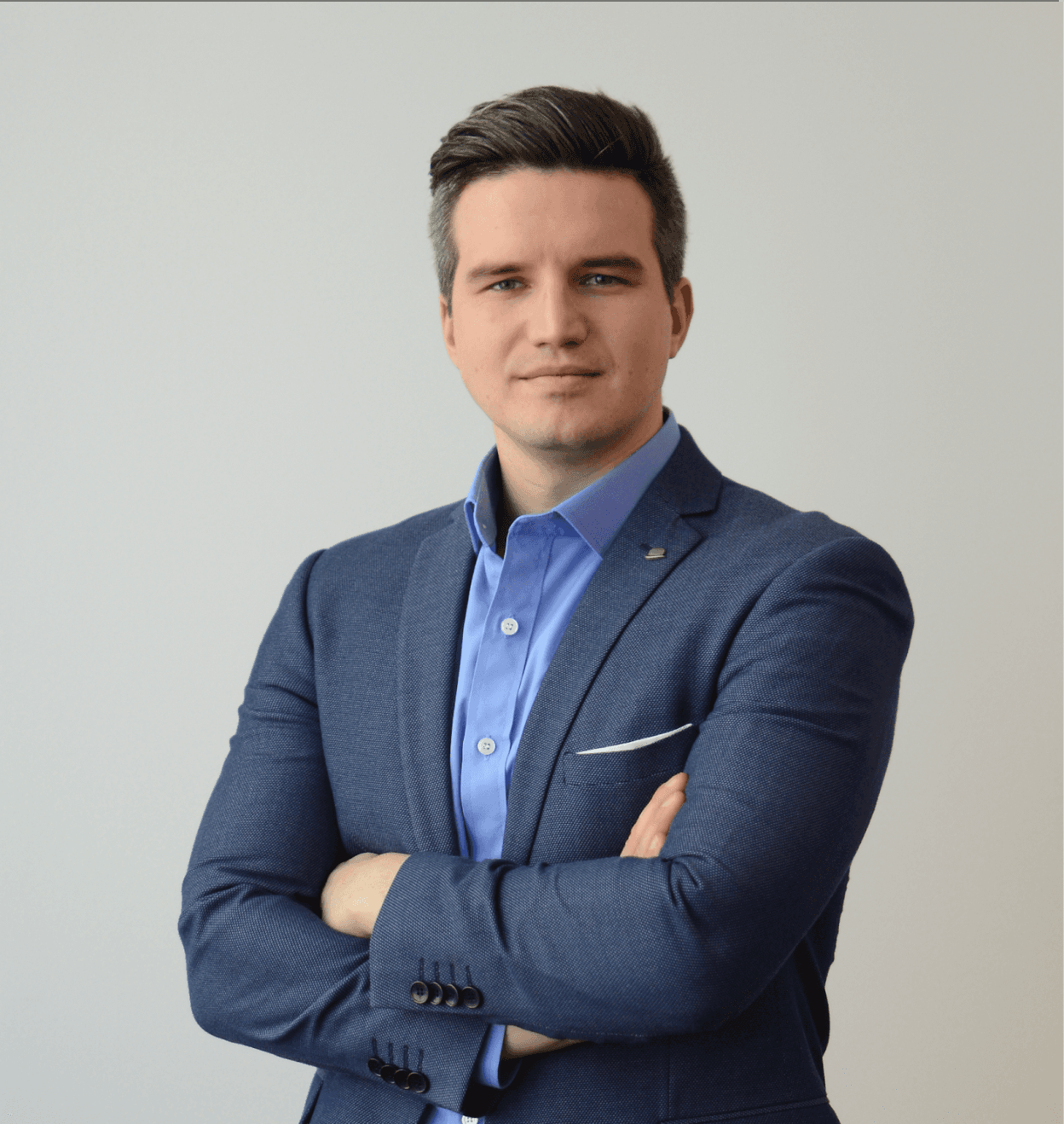
Stan Richter, Co-founder and CEO of signageOS
2016
Year Founded
$4.2M
Total Raised
55
Team Members
40+
Hardware Platforms Unified

"The industry is extremely fragmented. Screen manufacturers are competing by producing new series with new operating systems almost weekly."

Stan Richter, CEO - signageOS

The Plumber the Digital Signage Industry Never Knew It Needed

Walk into any airport, hotel lobby, retail chain, or fast-food restaurant today and the screens on the walls are probably running half a dozen different operating systems, from five different manufacturers, controlled by software that was never designed to talk to any of them. The industry's dirty secret is that making a screen show the right content at the right time - reliably, remotely, across hundreds of locations - is an engineering nightmare that most companies quietly absorb into their cost of doing business.

Stan Richter looked at that mess and saw a market.

In 2016, Richter and his co-founders Lukas Danek and Michael Zabka were in Prague, building an internal tool to manage large heterogeneous display networks. The tool worked. The problem it solved, they quickly realized, was not unique to them - every content management system in the digital signage space faced the same headache: new SoC chips, new operating systems, new hardware, every month, and zero standardization. A Samsung Tizen display speaks differently than an LG webOS device, which speaks differently than a BrightSign player, which speaks differently than a Chromebox. A CMS company wanting to support all of them effectively needed to hire 15 engineers and never stop.

signageOS became the answer: a single unified API that sits between CMS platforms and hardware, absorbing that complexity once, for everyone. As Richter puts it, the company "boosts the team of each CMS by 15 great engineers that are professionals in digital signage software." The business model is as elegant as the product - white-label subscription, sold to software companies, invisible to end users. CMS partners look more capable. signageOS scales its engineering investment across the entire industry.

The company officially launched in 2018. Within a single month, it had signed 30 non-disclosure agreements with software firms. Richter spent years doing what every startup CEO must: logging serious air miles, attending ISE in Amsterdam, DSE in Las Vegas, pitching the vision that a pure infrastructure play - explicitly not a CMS - could become the de facto standard for how the industry's software talks to its hardware.

It worked. Reflex Capital led a $2M funding round in 2020 - part of $4.2M raised total - with Ondrej Fryc, Reflex's founder, citing the team itself as the primary reason for investment. By 2024, signageOS was well-established enough to acquire SignageLab, one of its own power-user partners, folding expert services capabilities into its growing platform. In February 2025, Stan Richter personally won the Outstanding Individual Gold Award at the Global Digital Signage Awards in Barcelona - the prize going not just to the company but to the person who put in the time, the travel, and the relentless partnership-building required to turn a middleware layer into an industry standard.

Then, at ISE 2026, Richter unveiled something that changed the conversation entirely.

Supra is an edge-based, encrypted streaming platform built on a proprietary, patent-pending protocol. Instead of relying on a device's native SoC browser or local media player - both of which are limited by the hardware's age and specifications - Supra renders content on a local edge server and streams it, fully encrypted, to any connected display, regardless of operating system, chipset, or CMS. The result: existing hardware that would otherwise be replaced can keep working, performing as if it were new. Richter's pitch is direct: Supra extends the usable life of brownfield hardware by two to five years. It makes the SoC chip largely irrelevant. And it runs on standard Linux servers - no proprietary boxes required.

Before Supra, signageOS was the best way to talk to the hardware you had. After Supra, signageOS becomes the reason you don't need to replace it. The company remains a pure software provider, the invisible infrastructure layer - the plumber behind the wall that nobody sees, but everyone depends on.

Richter completed a PhD in International Economic Relations at the Prague University of Economics and Business in 2018 - the same year signageOS publicly launched. He was working at 3M, then at PwC, before finding his way through the xPORT VSE Business Accelerator and into building a company. His background is more analyst than engineer, more strategist than coder. The company was described from the start as "created by developers for developers" - and it shows in the product. But the commercial architecture of signageOS - the white-label model, the partner-first approach, the refusal to compete with its own customers by building a CMS - reflects someone who thought carefully about where value accumulates in fragmented industries. That's a consulting instinct applied to infrastructure.

The company runs dual headquarters: San Francisco for US operations, Prague for global engineering. Richter splits his time between them. He is known in the industry for being the person who shows up - at every trade show, every partner meeting, every opportunity to explain why the fragmentation that everyone else learned to live with was actually a solvable problem. That consistency, compounded over eight years, is what turned a Prague startup into the unification layer for a global industry.

What Stan Richter Says

signageOS fills the software gap between the display manufacturers and CMS companies.

We are not a CMS company but we work with CMS companies to get rid of terrible headaches connected to hardware/software compatibility.

Since we are laser focused just on cross-platform development, we always stay on top.

We want to take the pain out of brownfield networks. With Supra, we remove all the hassle of SoC limitations - we can make every hardware shine.

signageOS can aspire to become an industry standard for SoC displays and different digital signage player's integration used widely by CMS companies.

We boost the team of each CMS by 15 great engineers that are professionals in digital signage software.

From Prague to Global Standard

2012
Enrolled in PhD program, International Economic Relations at Prague University of Economics and Business (VSE). Simultaneously began work at 3M Cesko.
2014-2016
Consulting role at PwC in Prague. Also involved with HUGPORT, a local business project.
2016
Co-founded signageOS with Lukas Danek and Michael Zabka through xPORT VSE Business Accelerator. Started as an internal tool for managing heterogeneous display networks before realizing the whole industry had the same problem.
2018
Official public launch of signageOS. 30 NDAs signed with software firms in month one. Also completed PhD. Introduced signageOS Open at ISE 2019.
2020
Raised $2M from Reflex Capital (part of $4.2M total raised). Reflex founder Ondrej Fryc cited the team and founders as the primary reason for investment. Company expanded globally.
2024
Acquired SignageLab, a long-term signageOS partner, expanding expert services capabilities. Dual HQ model established: San Francisco and Prague.
2025
Won the Outstanding Individual Gold Award at the Global Digital Signage Awards in Barcelona. Spoke at ISE 2025 on cybersecurity and managed services. Represented signageOS at DPAA Global Summit in NYC.
2026
Unveiled Supra at ISE 2026 - a patent-pending, encrypted edge streaming platform that bypasses SoC limitations and extends hardware lifespan by 2-5 years. The company's most significant product launch to date.

What He's Built

🏆
Won the Outstanding Individual Gold Award at the 2025 Global Digital Signage Awards - recognized for growing signageOS with software services that make networks easier to run.
🚀
Co-founded signageOS in 2016 and grew it from a bootstrapped Prague startup into the world's first unification technology platform for digital signage.
📈
Led a total of $4.2M in funding from Reflex Capital - converting bootstrapped growth into institutional backing without losing focus on the platform mission.
🌐
Built deep integration partnerships with Samsung, LG, NEC, BenQ, Philips and other major display manufacturers - all addressable through a single signageOS API.
🔮
Launched Supra at ISE 2026 - a patent-pending encrypted edge streaming protocol that makes existing hardware perform like new, extending device lifespan by 2-5 years.
🎓
Completed a PhD in International Economic Relations from Prague University of Economics in 2018 - the same year signageOS publicly launched.

What signageOS Ships

CloudControl
Remote device management at scale - monitor, troubleshoot, update firmware, and control displays across any location through a single dashboard.
DevSpace
HTML5 app conversion environment that lets developers build once and deploy across any SoC hardware - eliminating platform-specific development cycles.
ProPlayer
Media player software for display hardware, providing offline content support, reliable playback, and deep device telemetry on any supported platform.
Content Guard
AI-powered content monitoring that detects quality issues and content problems in real time across multi-location display networks.
Supra
The company's newest and most ambitious product: an encrypted edge streaming platform (patent-pending) that renders content on a local server and delivers it to any display regardless of SoC or OS. Launched ISE 2026.
Expert Services
Professional integration and implementation services, expanded through the 2024 acquisition of SignageLab, helping CMS partners deploy signageOS across complex enterprise environments.

"signageOS is paving a new path forward that redefines the status quo in digital signage hardware and software compatibility to benefit companies at all levels in the digital signage industry."

Stan Richter — signageOS press release, 2020

Stan Richter: From Middleware to Cloud-Based Device Management

Things Worth Knowing

01

Stan completed his PhD in International Economic Relations the same year signageOS launched publicly - 2018. Dissertation and product launch, simultaneously.

02

signageOS started not as a startup pitch but as an internal tool. The founders built it for themselves, then realized everyone in the industry had the same problem.

03

In the first month after the 2018 public launch, Stan had already signed 30 NDAs with software companies - before the product was widely known.

04

Stan's career path ran through 3M, PwC, and a university business accelerator before he co-founded signageOS - a more corporate origin story than most startup CEOs.

05

Supra - unveiled at ISE 2026 - was tested quietly with selected customers before the public debut. The patent-pending protocol was developed in secret before launch.

06

signageOS operates dual HQ: San Francisco for US business development, Prague for global engineering. Stan Richter splits his time between both cities.

Share this profile