Profile
The Music Industry's Longest Bet on Artists
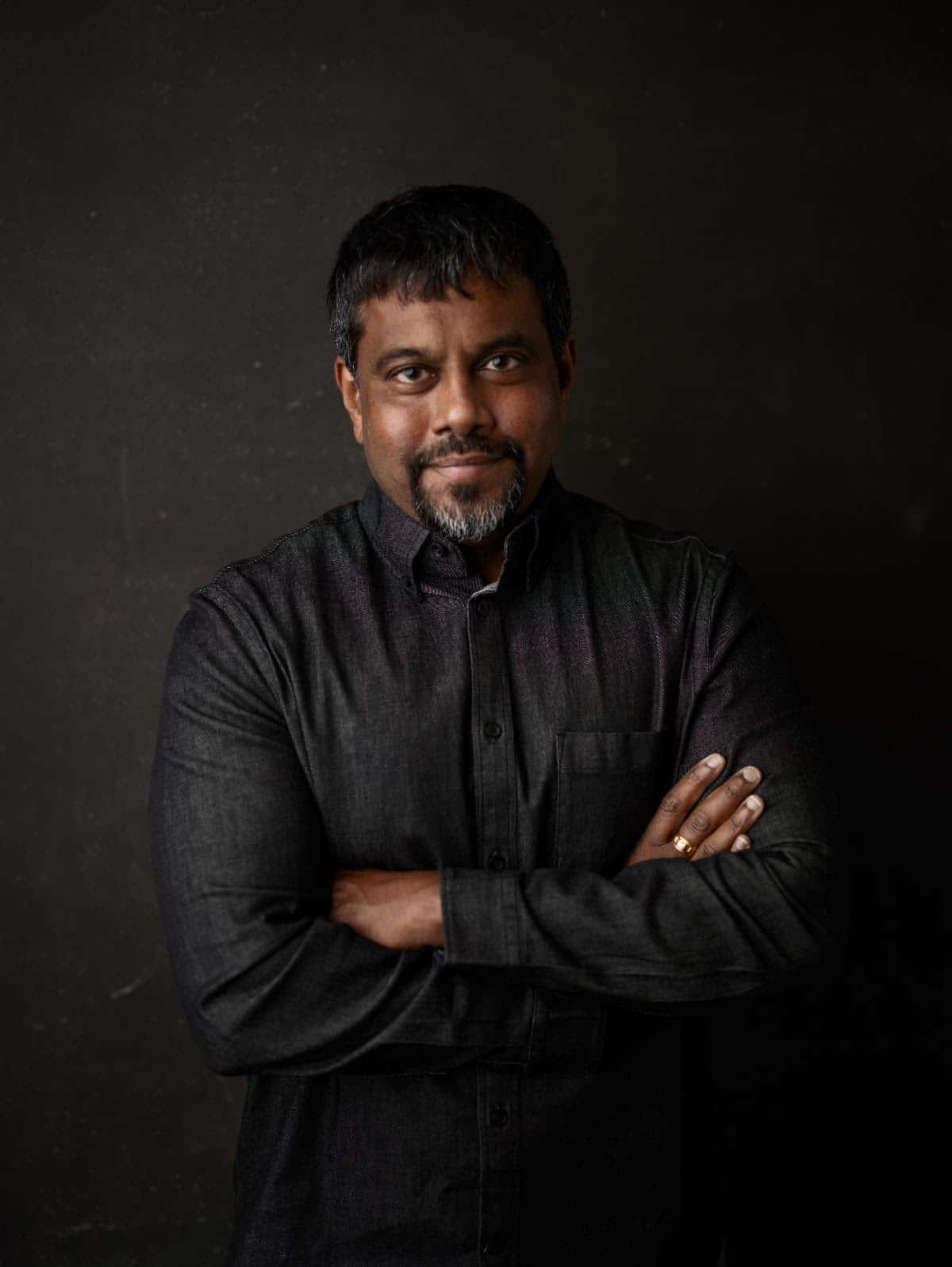
Shamal Ranasinghe has been having the same argument with the music industry for nearly three decades - and he keeps winning it. The argument: artists should own their work, connect directly with their fans, and actually see the money. The venues have changed. In 1999 it was an MP3 player. In 2007 it was a direct-to-fan startup. In 2023 it became a blockchain.
As Chief Business Officer at Audius - the decentralized music streaming platform built on Solana - Ranasinghe leads the most consequential licensing push Web3 music has seen. His mandate is simple on paper: bring the established music industry into a platform that was deliberately designed to bypass it. The paradox is the point. Audius gives artists 90% of revenue and direct ownership of their catalog. Ranasinghe's job is to convince publishers, labels, and rightsholders that this is where they belong too.
He arrived at that job in March 2023 after eight years at Pandora and SiriusXM, where he ran product for the entire creator side of the business. Before that, he co-founded Topspin Media in 2007 with Peter Gotcher - the co-creator of Pro Tools - launching what was arguably the first full-service direct-to-fan platform for musicians. In 2002, when he was just sketching the Topspin idea with Gotcher, most of the music industry was still arguing about Napster.
"As we continue to expand opportunities for songwriters and music publishers to access new revenue streams, this agreement with Kobalt is an important milestone for all of us at Audius."
- Shamal Ranasinghe, on the Kobalt global licensing deal, September 2024
In September 2024, Ranasinghe closed a global licensing deal with Kobalt Music, one of the largest independent publishers on the planet. It followed agreements with ASCAP, BMI, SESAC, GMR, and ICE Services - a licensing stack that would have looked like science fiction for a blockchain startup five years ago. Each deal is a proof of concept that you can build a community-owned, open-source streaming protocol and still operate within the mainstream music rights infrastructure.
The career arc makes more sense when you know the Stanford chapter. During his MBA at Stanford Graduate School of Business, Ranasinghe hosted a weekly radio show called "Below the Bassline." It's a name that says everything: find what the industry isn't listening to. He'd already been working in music tech since 1996. He was on the RealJukebox MP3 Player team at RealNetworks in 1999, when digital music was still a curiosity to most labels. He ran product at Yahoo! Music and Musicmatch. He wasn't building toward music - he was already inside it, looking for where the floor actually was.
Topspin became that floor for many artists. The platform was a complete commerce and marketing infrastructure for musicians before "direct-to-fan" was a category. When Topspin was acquired in 2012 and eventually sunset, the concept it pioneered had already been absorbed into every major streaming platform's creator toolkit. Pandora's AMP (Artist Marketing Platform), which Ranasinghe built as VP of Product for Creators, was a direct descendant of that philosophy: give artists data, give them marketing tools, give them access to their own audiences.
Audius is that philosophy at infrastructure scale. The platform runs on a decentralized network of nodes, stores content without a central server, and uses the $AUDIO token for governance and staking. Artists upload directly. Fans engage through comments, reposts, and on-chain tipping. There are no gatekeepers between a track and its listeners except the ones the artist chooses. Ranasinghe was an advisor to Audius from its earliest days in 2018 - long before the Web3 moment hit mainstream consciousness - which means he wasn't recruited into this thesis. He already held it.
Outside Audius, he teaches as a faculty member at Berklee Online, mentoring the next generation of music industry professionals. His Twitter bio reads: "Father, working for the creative community through Audius, Envelope Sound, and Curators." Three decades of music tech, and the bio still leads with the community.
Web3 Music
Blockchain
Decentralized Streaming
Music Licensing
Direct-to-Fan
Artist Monetization
Solana
Product Management
Music Tech
Open Source