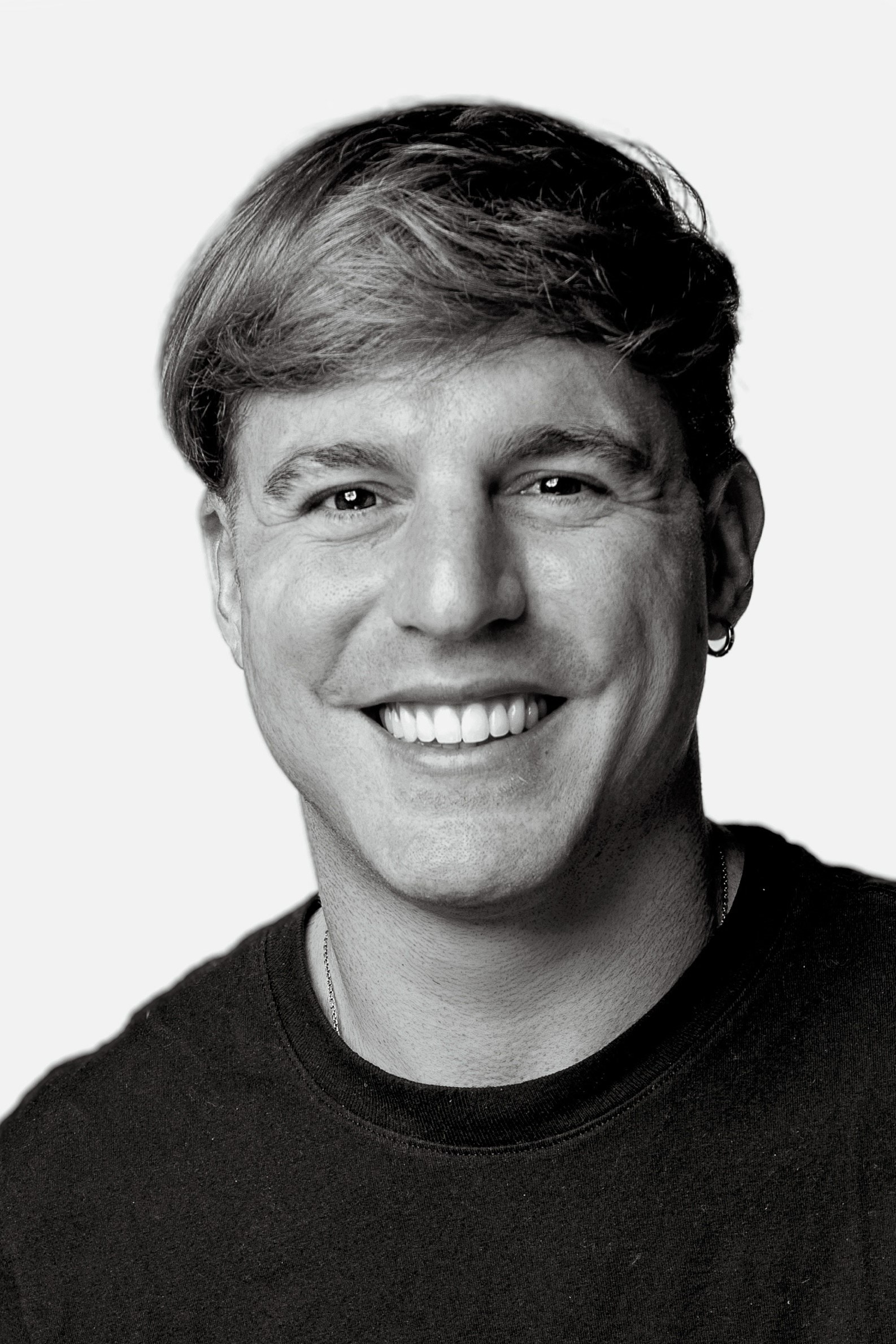
Matias Muchnick runs a company whose primary product, technically, is a database of ways to make things taste like other things. NotCo sells plant-based milk, mayonnaise and burgers under the Not-something naming convention (NotMilk, NotMayo, NotBurger, and so on, a branding logic that scales in an obvious and slightly cheeky way). Underneath the cartons is Giuseppe, an internal AI that maps aroma and texture across roughly four hundred thousand plant species and proposes recipes.
Giuseppe is named after Giuseppe Arcimboldo, the sixteenth-century Milanese painter who made portraits by assembling fruit and vegetables into human faces. This is a very on-the-nose reference, in the sense that a company whose entire premise is that food is composable is naming its AI after the guy who literally composed food into people. It also tells you something about Muchnick, which is that he prefers references that reward the reader for catching them.
The company he runs, TheNotCompany Inc., was founded in 2015 - one day, various profiles report, before OpenAI was founded, which is the kind of trivia that ages well. NotCo is now valued at roughly $1.5 billion, has raised more than $455 million total, and in 2022 formed a joint venture with Kraft Heinz called The Kraft Heinz Not Company. Bezos Expeditions is on the cap table. There are 820 employees. Muchnick, the CEO, is thirty-something, Chilean, and does not want anyone to call his company a unicorn, which, of course, is exactly what people call it.
"I also don't recommend anyone, any founder, to be thinking about whether they are going to be a unicorn or not," Muchnick told Bloomberg Línea in 2022. "If you're not a unicorn you might as well be successful. Let's pour cold water on this unicorn, centaur boom." This is the kind of thing that reads as false modesty until you notice he keeps saying it in interviews, and then it starts to look like an actual worldview. The worldview appears to be: valuations are a story you tell investors, and the story you tell customers should be about whether the milk tastes like milk.
The milk, made largely of pineapple and cabbage in its original formulation, does in fact taste like milk. This has been NotCo's central claim since inception and its main commercial argument. Muchnick's version of the pitch is that there are hundreds of thousands of plant species humans have never eaten in a systematic way, and that with enough compute you can search that space for compounds that behave, in the mouth and in the pan, like beef fat or casein. Giuseppe does the searching.