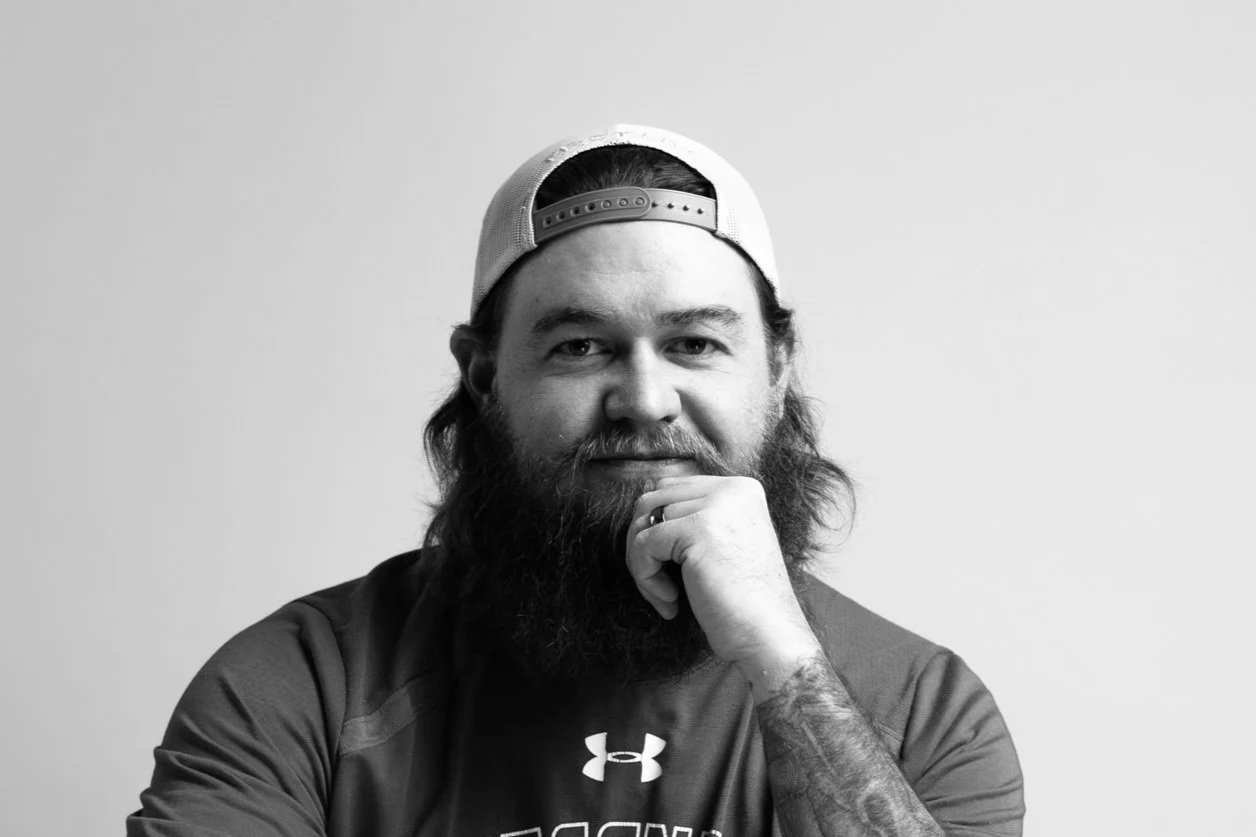
The Bartender Who Built a Business Out of the Menu
At The Patterson House, Nashville's celebrated speakeasy that helped put the city on the national craft cocktail map, Marcus Baney spent years perfecting the art of the pour. The meticulous recipes, the seasonal ingredient sourcing, the staff training rituals - all of it lodged itself somewhere useful. Not as nostalgia. As product specs.
He's the co-founder of Spec (specapp.com), a restaurant and bar inventory management and recipe costing platform designed from the inside out - by someone who has stood where every bar manager stands at the end of a long shift, staring at a spreadsheet that doesn't add up. The kind of platform that only makes sense if you've lived the problem. He lived it for over a decade.
The idea behind Spec is straightforward enough to fit on a napkin (which is where most bar programs have always lived): give bars and restaurants the digital infrastructure to manage their beverage programs, cost out their menus, track inventory, and train staff - all in one place. The execution is what took years. Building the product meant translating the tacit knowledge of experienced bartenders and beverage directors into systems that any operator could run, from a craft cocktail bar in Nashville to a neighborhood restaurant in the Midwest.
That translation project is Baney's actual superpower. He speaks the language of both rooms - the bar floor and the boardroom. He can tell you what a jigger of the wrong rum does to a cocktail's cost percentage, and he can build the software that tracks it in real time.
Creativity backed by operations. Art supported by science. Innovation grounded in profitability.
- Marcus BaneyNashville Made the Recipe. Dayton Ships the Product.
Before the startup pitch decks and accelerator programs, there was a decade of service. Marcus worked his way through Nashville's craft cocktail renaissance - as a barback, then bartender, then manager, then beverage director. He logged years at three of the city's defining establishments.
Each of those places ran on institutional knowledge - recipes memorized, margins eyeballed, inventory counted by hand on Sunday afternoons. The systems that worked were the ones that lived in people's heads. When that person left, the system left with them. That's the problem Baney decided to solve: turn the tribal knowledge of Nashville's best bars into something portable, scalable, and useful for any bar in the world.
By the time he co-founded Spec and enrolled in the Nashville Entrepreneur Center's InFlight Accelerator, he wasn't theorizing about what bars needed. He had been the person doing the ordering at 11pm on a Tuesday, trying to figure out why the rum cost was off.
At some point, he relocated from Nashville to Dayton, Ohio - a quieter address for building something loud. He now serves bars and restaurants across the Midwest as a beverage consultant, while Spec continues to grow as a platform for the global hospitality industry.
Creating programs that are beautiful, profitable, and executable by your team.
- Marcus Baney, marcusbaney.comSpec: Where the Bar Tab Becomes a Business
Spec started as a content library for craft cocktail bartenders - recipes, technique videos, ingredient guides, the kind of institutional knowledge that usually walks out the door when a good bartender quits. It was training infrastructure for an industry where turnover is relentless and institutional knowledge is everything.
The platform evolved. By 2025, Spec had expanded into full inventory management and recipe costing tools for bars and restaurants. The pitch sharpened: run your restaurant without running yourself into the ground. Automated margin tracking. Digital inventory. Staff training workflows that scale.
Food & Beverage Technology Review named Spec the "Top Restaurant & Bar Inventory Management Software 2025" - recognition that landed via the same logic Baney applies to a cocktail menu: the best program isn't the most impressive one, it's the one that actually works every night.
The platform has attracted clients including Nashville establishments like Burger Up and the Nashville Bar Alliance, with testimonials focusing on the same thing Baney has always been focused on: profitability without sacrificing the craft.
The Arc
The $12-Per-Drink Standard
Marcus Baney's consulting practice has one organizing principle that cuts through the noise: a cocktail program should generate $12 to $13 profit per drink at 85% gross margin. Those numbers aren't aspirational - they're what he consistently delivers for bars and restaurants across Dayton, Southwest Ohio, and the Midwest.
His approach runs against the grain of the bartender-as-artist model. Where some consultants lead with creativity, Baney leads with execution. A menu that a skilled bartender can reproduce perfectly every night of the week is worth more than a menu that wins Instagram once and confuses the staff by Friday. That insight - hard-won from years on both sides of the bar - is what separates a working cocktail program from a beautiful one that falls apart under real conditions.
The service offering covers the full lifecycle: beverage program development, menu creation, staff training and efficiency, inventory control, and waste reduction. Every engagement targets that same 10 to 25 percent increase in beverage revenue. Not by charging more per drink. By running the back end like a business instead of a hope.
The work is grounded in a philosophy he articulates simply: the best program isn't the most impressive one. It's the one the whole team can execute beautifully on a Tuesday in February when the bar manager is out sick and the new hire is on their third shift. Infrastructure over talent dependency. Repeatability over brilliance.
One client summed up the outcome plainly: "Marcus transformed our cocktail program from an afterthought to a profit center. His menus are creative but executable, and his training gave our team the confidence to shine."
Beyond the Bar
His Flickr account dates to 2009 - over 2,600 photos uploaded long before Spec existed. The photographer came first.
His personal bio reads: "i like jesus, playing guitar, and taking pictures. and sometimes other things." No mention of margins.
Golf, music, and art fill the time that isn't occupied by inventory systems and cocktail menus. He brings the same precision to a handicap that he brings to a beverage program.
He was bartending in Nashville during the period when the city went from a country music capital to one of America's most cited craft cocktail destinations. He helped make that happen.
The Nashville Entrepreneur Center's InFlight Accelerator has produced companies across healthcare, tech, and now - hospitality software. Baney represents the trade-to-tech pipeline the program is built for.
His move from Nashville to Dayton - from craft cocktail capital to Midwest mid-size city - is either a quiet bet on the future of mid-market hospitality, or just a very good quality of life decision.