Before Kevin Siskar built software to help founders find their way to investors, a friend of a friend helped him find his way behind a New York bar. The connection came from Buffalo. The work helped pay the bills. For someone trying to get into the city’s startup world, it was a small introduction with a large practical consequence: more time to keep trying.
He had moved without a full-time job. Money ran short, so he sold the car he had paid off during college. He wrote for a technology website early in the morning, applied for jobs and interviewed during the day, then bartended at night. At one point, he remembers having twenty dollars in his bank account. The job offer finally arrived by phone while he was eating cheeseburgers with Colleen and visiting company.
There is something pleasingly ordinary about that scene. No ceremonial bell, no triumphant stage entrance. Lunch, interrupted by enough income to stay. In his own account, the offer meant he could cover rent and student loans. The city had become financially possible.
Today, Siskar is the CEO and cofounder of Finta. He has spent years helping people start companies, judging which ones to back, interviewing their builders, and organizing the connections around them. His subject is often capital. His recurring concern is access to the people who can make something happen.
The alumnus who kept turning up
Siskar grew up in Western New York. At the University at Buffalo, he studied cognitive neuroscience and philosophy. During his education, he spent time in London working for Everyman, the cinema company. His early New York work included technology news at Jason Calacanis’ Launch Ticker and software and business development at advertising technology company Collective.
His route into Founder Institute began on the participant’s side. He took his own startup through the program and became an unofficial alumni representative. That detail is useful. An alumnus has seen the machinery from inside: the assignments, the advice, and the awkward business of deciding what to do once a program ends.
He went on to lead Founder Institute New York. In 2016, the organization recognized his work in its director awards for ecosystem development. By June 2026, Founder Institute credited him with helping launch 164 companies. The number describes repeated exposure to the beginning of a business, when a founder is still learning which questions to ask.
Companies Founder Institute credited Siskar with helping launch, in its June 2026 account of his work.
An accelerator’s graduation is an attractive moment to photograph. The less photogenic work comes afterward: finding customers, testing a product, replacing assumptions with evidence. Having first been a participant gives Siskar’s later roles a useful continuity. He had experienced a program before being responsible for helping others through one.
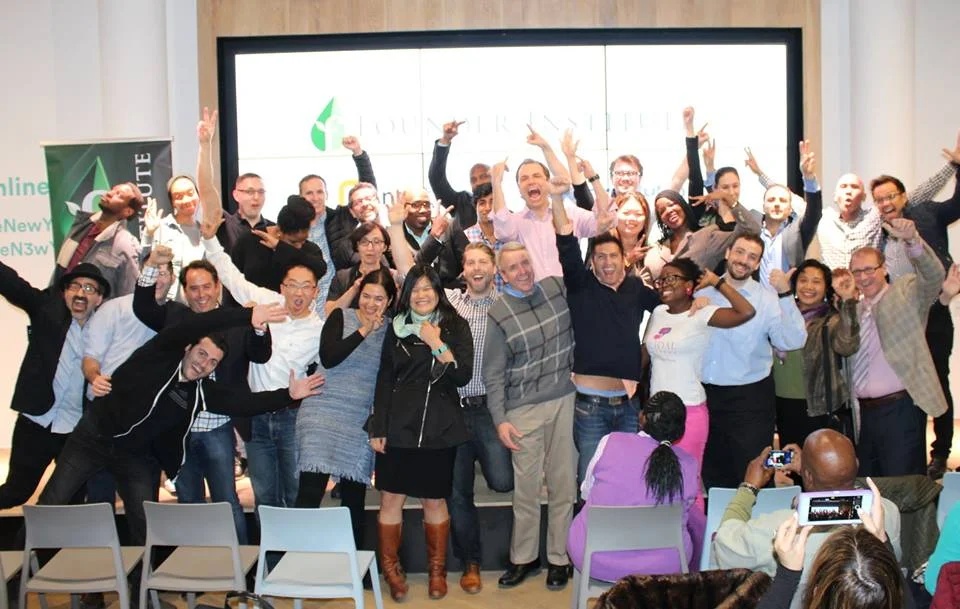
Who helps the people helping founders?
Running a startup program also means finding mentors, partners, sponsors, and people willing to give their time. Siskar and other New York managing directors began asking how their organizations could support one another. The result was the NYC Innovation Collective, which he helped cofound.
When he announced it in April 2017, the nonprofit alliance comprised more than eighty accelerators, incubators, and innovation platforms. Its aim was collaboration, transparency, and access. The intended benefits were concrete: shared resources, stronger programs, and more routes to mentors and investors.
It is an appealingly practical response to a city full of organizations devoted to innovation. Even the helpers can end up working in separate rooms. Bringing them together gives a founder a better chance of finding the room that is useful. The collective extended Siskar’s attention from one cohort to the connections between programs.
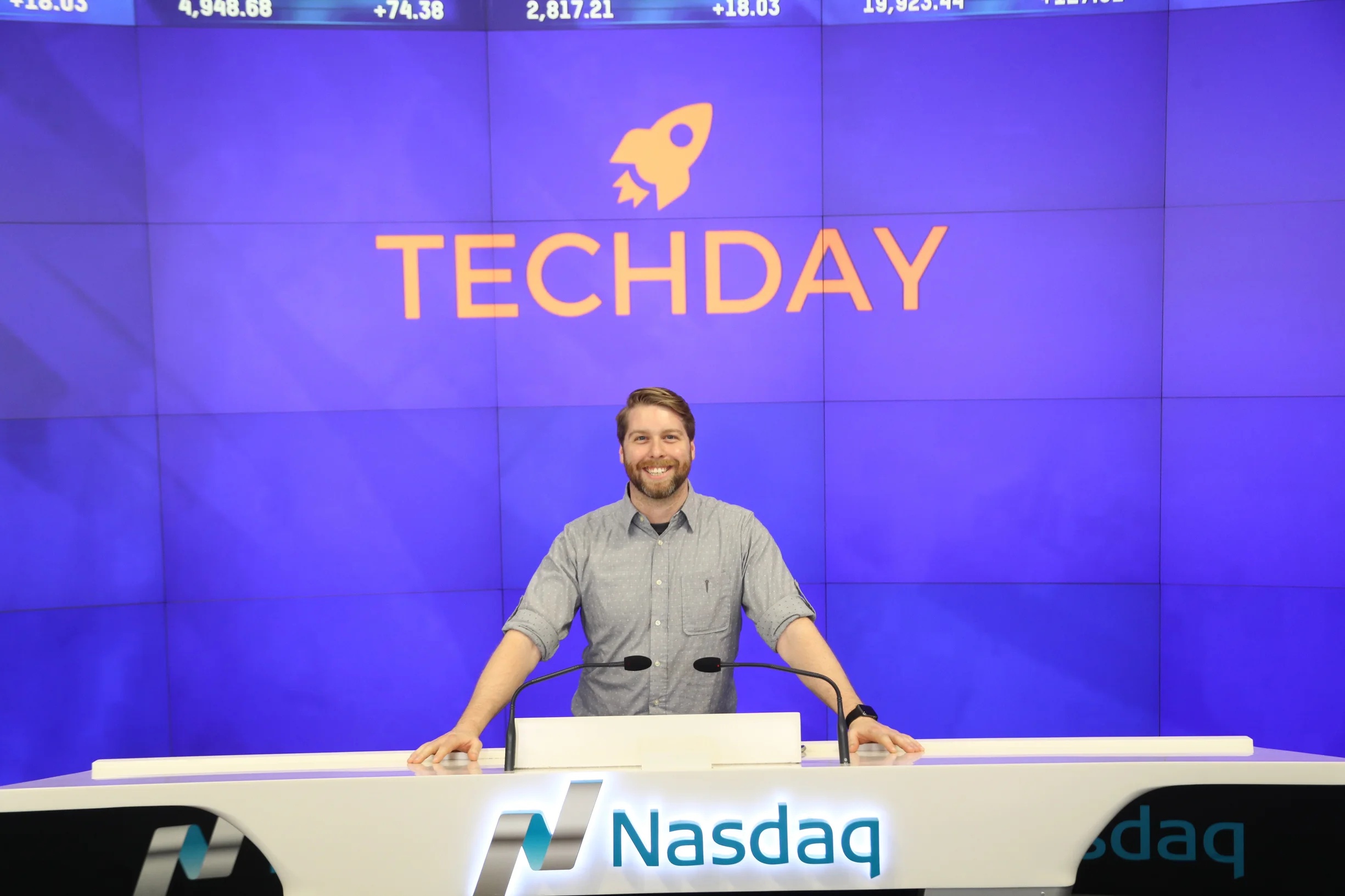
Buffalo gets a seat at the table
Western New York remained part of the story. In December 2018, Siskar appeared on 43North’s Latitude podcast to discuss Founder Institute’s arrival in Buffalo. His hometown’s startup community was growing, and he wanted to talk about what local founders could expect from the program.
He later served as Vice President of Portfolio & Selection at 43North. The title sounds administrative; the work involves consequential choices. For the 2022 competition, he led a diligence process with more than eighty judges. They reviewed hundreds of applications, met founders, and recommended fifteen finalists. That year’s competition offered five investments of one million dollars each.
Those numbers describe a different kind of founder support. An accelerator helps people develop a company. Selection asks which companies are ready for an investment and what can be learned before committing to it. Both require attention to people, but they carry different responsibilities.
In a venture investing interview with Clay Finck, Siskar discussed the benefit of looking beyond the usual technology centers. He used ACV Auctions, a 43North portfolio company, to explain how a business built around a regional industry can develop into a technology opportunity. Buffalo was a place to look closely, with its own businesses and problems worth understanding.
An investor switches sides
In May 2020, Siskar explained why he was building Finta. His argument began with something the startup world had done fairly well: making company-building information more accessible. Blogs, accelerators, and podcasts had spread knowledge that once circulated within a smaller group.
He thought the next useful contribution would include software for founders. Investors repeatedly evaluate and buy equity. Founders raise capital less often and must learn a demanding process while running a company. The two sides arrive at the transaction with different amounts of practice.
Finta began with the tedious sequence of organizing a raise: company information, documents, prospective investors, and the steps between interest and a completed deal. Siskar’s case for it was rooted in work he had watched founders do. Advice could explain a process. Software could help them carry it out.
The switch matters in his personal story. Helping a founder build a company and building a company to help founders come with different demands. With Finta, he became responsible for the product itself, rather than only the advice and network surrounding someone else’s product.
- 01Founder InstituteStructure and mentorship for starting a company
- 02NYC Innovation CollectiveConnections between the organizations supporting founders
- 03FintaSoftware for organizing relationships and running deals
Why there is a firehouse in the portfolio
Another part of Siskar’s career reaches back further than his startup work. Before moving to New York City, he volunteered for more than eight years with Swormville Fire Company. He entered burning buildings and rose to lieutenant. His family had a history of volunteer firefighting.
When he publicly introduced Firehouse Ventures in September 2021, he explained the name as a reminder of service. Investing, in his account, offered a way to help a larger community by helping founders. He described collaborating on the syndicate with Rachel Sheppard, whom he had met through Founder Institute.
“The people are what make the organizations truly excel.”
Kevin Siskar, introducing Firehouse Ventures, 2021
The name carries that earlier experience into a business where terminology can become rather grand. Firehouse is easy to understand. It suggests a place where people prepare together and turn up when needed. Siskar chose it to keep the founders, and his responsibility toward them, in view.
The calendar is part of the story
Siskar also teaches the work surrounding work. In February 2022, he introduced a Skillshare class about automating workflows, reporting more than fifty-five thousand students across his previous classes. The course covered measuring time, choosing tasks to automate, building workflows with tools such as Zapier, and checking whether the changes actually saved effort.
That last step deserves its place on the syllabus. An automation can look wonderfully industrious while merely moving the inconvenience somewhere else. Measuring the result gives the person doing the work a chance to decide whether the machinery has earned its keep.
His teaching has also covered finding flow and focused work. Alongside that, he hosts Ambition Today, interviewing founders, investors, and creators. Teaching asks him to explain a process; interviewing asks him to listen to someone else’s experience. Both sit comfortably beside the years he has spent watching companies take shape.
Finding the path in
Finta’s current direction puts relationships at the center of the product. It connects inboxes, calendars, CRM records, documents, and networks. Its AI agent, Aurora, is presented as a way to map connections, draft messages with context, prepare meeting briefs, and turn stalled conversations into next steps.
The practical premise is easy to recognize. A person’s useful network may already be scattered through old emails and meetings. Organizing that history can make a possible introduction visible. The judgment about whether to ask, and what to say, still belongs to the people involved.
In January 2026, Brown and White Ventures announced an investment in Finta. The planned uses included product development, team growth, commercial expansion, and partnerships. Siskar’s explanation of the company emphasized how demanding fundraising becomes when it sits alongside the work of building a business.
He continues to teach that process directly. Finta’s 2026 Fundraising Academy paired live sessions with work on narratives, financial models, investor targeting, and introductions. Participation and preparation could improve a founder’s process. Access to investors remained permissioned, with no guarantee of an introduction or funding. That distinction keeps a relationship tool tied to the choices of real people.
A founder lasts longer than a company
In August 2026, Siskar published “The Founder Is the Continuum.” He mapped a progression through seller, productizer, operator, architect, allocator, and steward. The focus was the person developing across stages, with an individual company occupying one chapter of a longer working life.
The framework fits his own sequence of roles. He has been a startup participant, an accelerator leader, a selector of investments, a syndicate organizer, a teacher, an interviewer, and a software cofounder. Each has given him a different view of the people trying to build something.
His early New York story supplies a modest image to keep alongside all those titles: a person doing several jobs, trying to remain in the city long enough for an opportunity to arrive. A connection helped. Later, a phone call over lunch changed what was possible. Finta’s work now concerns more elaborate transactions, but the value of getting the right person into a conversation is something Kevin Siskar has experienced firsthand.
Keep the conversation going
- Finta ↗
- Siskar’s site & blog ↗
- LinkedIn ↗
- X / Twitter ↗
- Instagram ↗
- Facebook ↗
- YouTube channel ↗
- Ambition Today ↗
- Moving to New York ↗
- The Finta origin essay ↗
- Introducing Firehouse ↗
- Venture investing interview ↗
- The founder continuum ↗
- Watch: building communities ↗
- Finta’s January 2026 investment ↗
- 2022 selection at 43North ↗