7th Startup. That's the one that stuck. Stripe said "Acquire Indie Hackers?" - Courtland said yes He bought it back. On the exact 6th anniversary. MIT CS grad. First salaried job: age 30. At Stripe. 85,000 newsletter subscribers. $8K/month. Sold. His twin brother Channing can dunk. Courtland cannot. Been coding since age 8. Failing since 2009. Winning since 2016. 7th Startup. That's the one that stuck. Stripe said "Acquire Indie Hackers?" - Courtland said yes He bought it back. On the exact 6th anniversary. MIT CS grad. First salaried job: age 30. At Stripe. 85,000 newsletter subscribers. $8K/month. Sold. His twin brother Channing can dunk. Courtland cannot. Been coding since age 8. Failing since 2009. Winning since 2016.
Founder Profile - Indie Hackers

Courtland
Allen

The Man Who Made Bootstrapping Cool - Then Bought His Company Back

Six failed startups. One email from Patrick Collison. A buyback on the exact anniversary. Courtland Allen runs the internet's most honest community about building businesses - and he built it on failure, transparency, and an obsessive refusal to quit.

Founder #7 MIT '09 YC W2011 @csallen
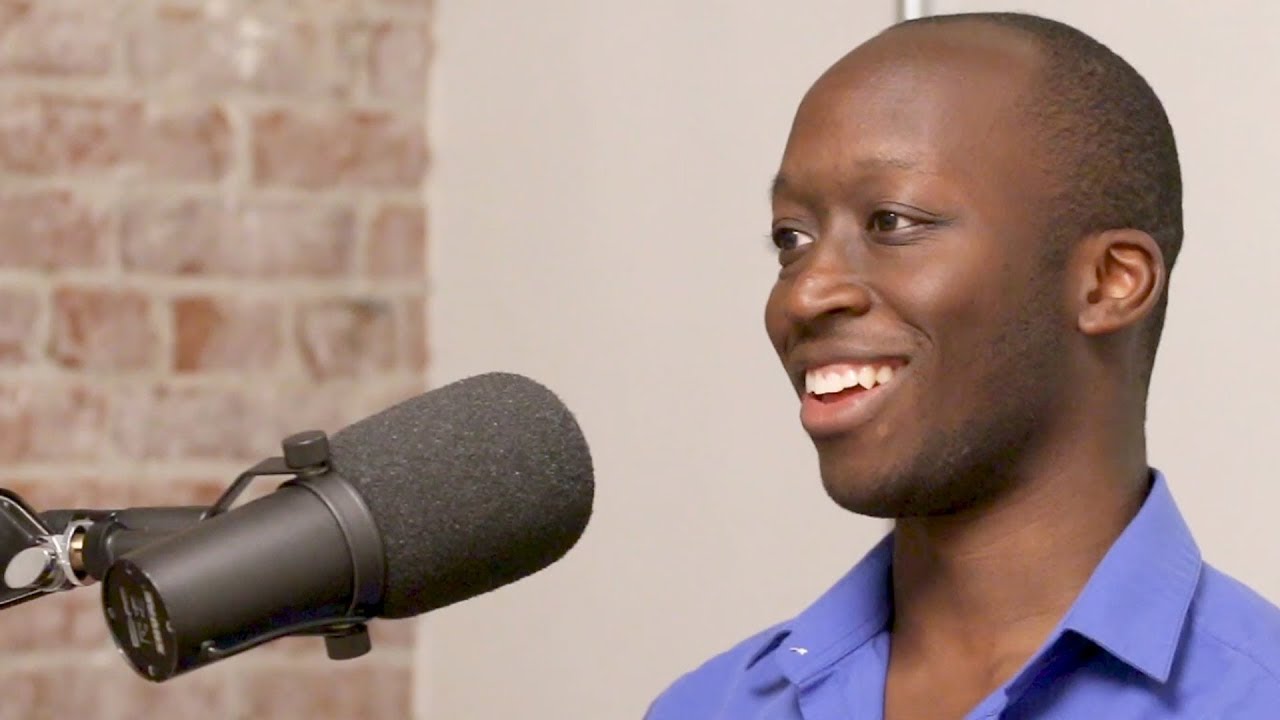
Courtland Allen, founder of Indie Hackers, speaking at a microphone
Photo: Y Combinator
7 Startups before it clicked
<12 Months to Stripe acquisition
85K Newsletter subscribers (peak)
6yrs Exactly when he bought it back

He failed six times so you wouldn't have to

In April 2017, Courtland Allen opened his inbox and saw a message from Patrick Collison - founder of Stripe, one of the most valuable fintech companies in the world. Subject line: "Acquire Indie Hackers?"

Indie Hackers was eight months old. It was pulling in $8,000 a month from ads. Courtland had built it mostly alone, late at night, after years of failed attempts at startup life. He said yes.

Then, six years later to the day - April 5, 2023 - he bought it back.

That's not an accident. That's Courtland Allen in full: methodical, patient, oddly poetic about timing, and constitutionally incapable of being anything other than an entrepreneur. Working at Stripe, he once noted, was his first and only salaried job. He'd been self-employed his entire adult life - just mostly losing.

"Your whole goal is to not quit." - Courtland Allen

He graduated MIT in 2009 with a CS degree and moved to Silicon Valley the way a lot of ambitious 22-year-olds do - with big plans and no revenue. His first startup, Syphir, burned through its money and died. Then came Taskforce, which got into Y Combinator's Winter 2011 batch - a significant credential. It also died. Then four more startups, over the next few years, all gone. He spent stretches freelancing just to eat.

The five-year stretch between Y Combinator and Indie Hackers is what he calls a "dark period." But something shifted. He started obsessively reading the comment threads on Hacker News where founders shared exact revenue numbers. The transparency was addictive. People trusted it. Nobody else was systematically capturing those conversations.

So in August 2016, Courtland built a site to do exactly that. He called it Indie Hackers.

It's probably a bad bet to start a VC-funded company for the vast majority of people.
- Courtland Allen

He built the internet's most honest business community

The idea behind Indie Hackers was almost brutally simple: find people building profitable internet businesses, ask them to share real numbers, and publish it. Revenue. Costs. Margin. The stuff that founders almost never talked about in public because they'd been trained to fear their competitors.

Courtland believed the opposite was true. He'd noticed that the founders who shared their numbers - the ones who were radically transparent - built audiences faster, attracted better customers, and earned a kind of trust you simply can't buy. Transparency was a competitive advantage, not a liability.

The first interviews went up in August 2016. He launched on Hacker News - the same community where he'd spent years reading those precious revenue-share threads. The response was immediate. By the time Stripe reached out eight months later, Indie Hackers had a newsletter with tens of thousands of subscribers, a growing forum, and a podcast that was starting to land serious guests.

"The people who shared their revenue numbers and all their secret sauce details benefited a lot because people really resonate with transparency. It builds trust."

Under Stripe's roof from 2017 to 2023, Indie Hackers grew into something bigger. The newsletter crested at nearly 85,000 subscribers. The forum became a genuine community - not just a link aggregator but a place where founders helped each other debug pricing strategies at midnight. Courtland ran it as a semi-autonomous unit inside Stripe, bringing his brother Channing in to help.

But he's an entrepreneur. Six years inside a corporation - even a great one - was plenty. In April 2023, he and Channing negotiated the buyback. Stripe kept an equity stake; the Allens got the keys back. They restarted from $0 MRR and $8,000 a month in operating costs, and Courtland told the community everything - the numbers, the plan, the uncertainty. Classic Indie Hackers.

ALL 7 STARTUPS - IN ORDER

1
Startup #1 - 2009
Syphir
Ran out of money. Shut down.
2
Startup #2 - YC W2011
Taskforce
Got into Y Combinator. Still failed.
3
Startup #3
Undisclosed
One of 4 failures, 2011-2016.
4
Startup #4
Undisclosed
Freelanced between attempts.
5
Startup #5
Undisclosed
The dark period deepens.
6
Startup #6
Undisclosed
Still not it.
7
Startup #7 - August 2016
Indie Hackers
Acquired by Stripe. Bought back. Still running.

Sold to Stripe. Bought it back. Same date. Six years later.

Aug
2016
Indie Hackers Launches
$0 revenue, big idea
Apr 5
2017
Stripe Acquisition
$8K/month revenue at time of sale
Apr 5
2023
Buyback
Exactly 6 years later. $0 MRR. Indie again.

The acquisition price was never publicly disclosed. At $8K/month MRR, industry multiples in 2017 suggest a deal in the low-to-mid seven figures. Courtland has never commented on the number.

What Courtland actually believes

"It's probably a bad bet to start a VC-funded company for the vast majority of people."

"Don't take the risk. Don't leave your job. Just see - I only have nights and weekends."

"If you practice long enough you'll create a good idea. Ideas aren't innate - they're a skill to develop."

"Getting the word out about what you're building is so important. It's the most common mistake among entrepreneurs."

"An indie hacker is somebody who's decided to take an alternate path besides working for the man."

"Attempt to charge for a non-existent product. Credit card numbers are worth a thousand verbal affirmations."

Competitive, curious, and constitutionally unable to quit

Courtland Allen was born March 22, 1987, alongside his twin brother Channing. They grew up in a household that had entrepreneurship baked in - their mother ran a business selling computer equipment. Courtland started coding at age 8. By college, he was at MIT studying computer science, which is the kind of sentence that sounds inevitable in retrospect but wasn't at the time.

The twin thing matters more than it sounds. Channing can dunk a basketball. Courtland, at five-foot-nine, cannot. He made that exact point to explain why he crossed "professional athlete" off his list early. But the brothers are clearly cut from the same entrepreneurial cloth - Channing eventually joined him at Indie Hackers, first under Stripe and then during the independent era.

In interviews, Courtland describes himself as "intensely competitive." He pays $30 a week for chess lessons - not because he's trying to go professional, but because he needs to keep pushing himself intellectually. He's an anime fan. He loves fiction. He's the kind of person who describes multiplayer video games as something he "should have gone professional in" and means it as a compliment to his own drive, not a lament.

"I'm an entrepreneur at heart and always have been. In fact, working at Stripe was my first and only salaried job."

The failure count is important to him - he talks about it openly, not performatively. Six failed startups before Indie Hackers. A five-year stretch of grinding through attempts, freelancing when money ran out, never fully walking away. He calls it a "dark period" but describes it with equanimity now. The lesson he draws isn't that he was bad at startups. It's that he needed to find the right problem - and that required failing long enough to recognize it when he saw it.

His philosophy on entrepreneurship tracks with his own history: minimize risk, validate early (with real credit card numbers, not verbal encouragement), and whatever you do, keep going. The advice isn't abstract. He built six companies in relative obscurity before one of the world's most famous investors showed up in his inbox.

When Stripe acquired Indie Hackers in 2017, Courtland was, by his own account, floored. He hadn't expected it. He'd been building something he believed in, growing it steadily, treating it as a mission as much as a business. Stripe's rationale made sense - the indie hacker community overlapped heavily with Stripe's ideal customer. But the fit went deeper than that. Stripe, under Patrick Collison, has always maintained a strong intellectual identity. Courtland and his community fit that identity almost perfectly.

The six years inside Stripe weren't wasted. The platform grew, the community deepened, and Courtland got his first real taste of what it's like to have resources behind a product. But he was always going to go back. April 5, 2023 - chosen deliberately, on the exact anniversary - he and Channing restarted the company they'd built, this time for themselves.
From MIT to Stripe and back again

  • 1987
    Born March 22 alongside twin brother Channing. Mother runs computer equipment business.
  • ~1995
    Starts coding at age 8.
  • 2009
    Graduates MIT with B.S. in Computer Science. Moves to Silicon Valley. Founds Syphir - his first startup. It fails.
  • 2011
    Taskforce accepted into Y Combinator Winter 2011 batch. A credential. Also fails.
  • 2011-2016
    Four more startup attempts. Freelances between attempts to survive. Calls this his "dark period."
  • Aug 2016
    Launches Indie Hackers. Posts to Hacker News. The response is immediate.
  • Apr 5, 2017
    Patrick Collison emails: "Acquire Indie Hackers?" Courtland says yes. Stripe acquires Indie Hackers at $8K/month MRR. His first salaried job begins.
  • 2017-2023
    Runs Indie Hackers inside Stripe. Newsletter grows to ~85K subscribers. Channing joins. Community forum deepens.
  • Apr 5, 2023
    Buys Indie Hackers back from Stripe on the exact 6th anniversary. Restarts at $0 MRR. "I'm fired up!!!"
  • 2023-2026
    Running Indie Hackers independently. Newsletter at $11K/month MRR. Co-hosts Brains podcast with Julian Shapiro.

Education

MIT
B.S. Computer Science
Massachusetts Institute of Technology, 2005-2009

Indie Hackers by the numbers

  • FoundedAugust 2016
  • AcquiredApril 2017 (8 months in)
  • MRR at sale~$8,000/month
  • Newsletter peak~85,000 subscribers
  • Bought backApril 5, 2023
  • MRR at buyback$0
  • Current MRR~$11K/month (2024)

Things worth knowing

The Chess Student

He pays $30 a week for chess lessons. Not to go pro - just to keep pushing his mind against something hard. The competitive streak runs deep.

Born Coding

Started programming at age 8. That's nearly three decades of building things by the time Indie Hackers launched. The overnight success took 28 years of setup.

The Dunking Twin

His twin Channing can dunk a basketball. Courtland, at 5'9", cannot. He's made peace with this. They co-found companies instead.

The Anniversary Buy

He didn't just buy Indie Hackers back from Stripe. He did it on the exact 6th anniversary of the acquisition. April 5, 2016 to April 5, 2023. On purpose.

One Salary, Ever

Stripe was his first - and so far only - salaried employer in his entire adult life. He's been an entrepreneur since 2009. The steady paycheck lasted exactly 6 years.

Anime & Fiction

The bootstrapping guru unwinds with anime and fiction. He describes himself as someone who "should have gone professional" in competitive multiplayer video games.

The main point of being an indie hacker is working for your freedom and independence.
- Courtland Allen

What's happening now

Apr 2023

Going Indie Again

Bought Indie Hackers back from Stripe on the exact 6th anniversary. Announced everything publicly: $0 MRR, $8K/month costs, and the plan to rebuild from scratch.

2024

Newsletter Revenue

Newsletter running at approximately $11K/month MRR. Monetization through ads and a "Founder Profiles" product launched at $1,450/year.

2025

Brains Podcast Active

Continues co-hosting Brains with Julian Shapiro - a high-production dinner conversation podcast with some of the internet's most interesting thinkers.

Links & profiles