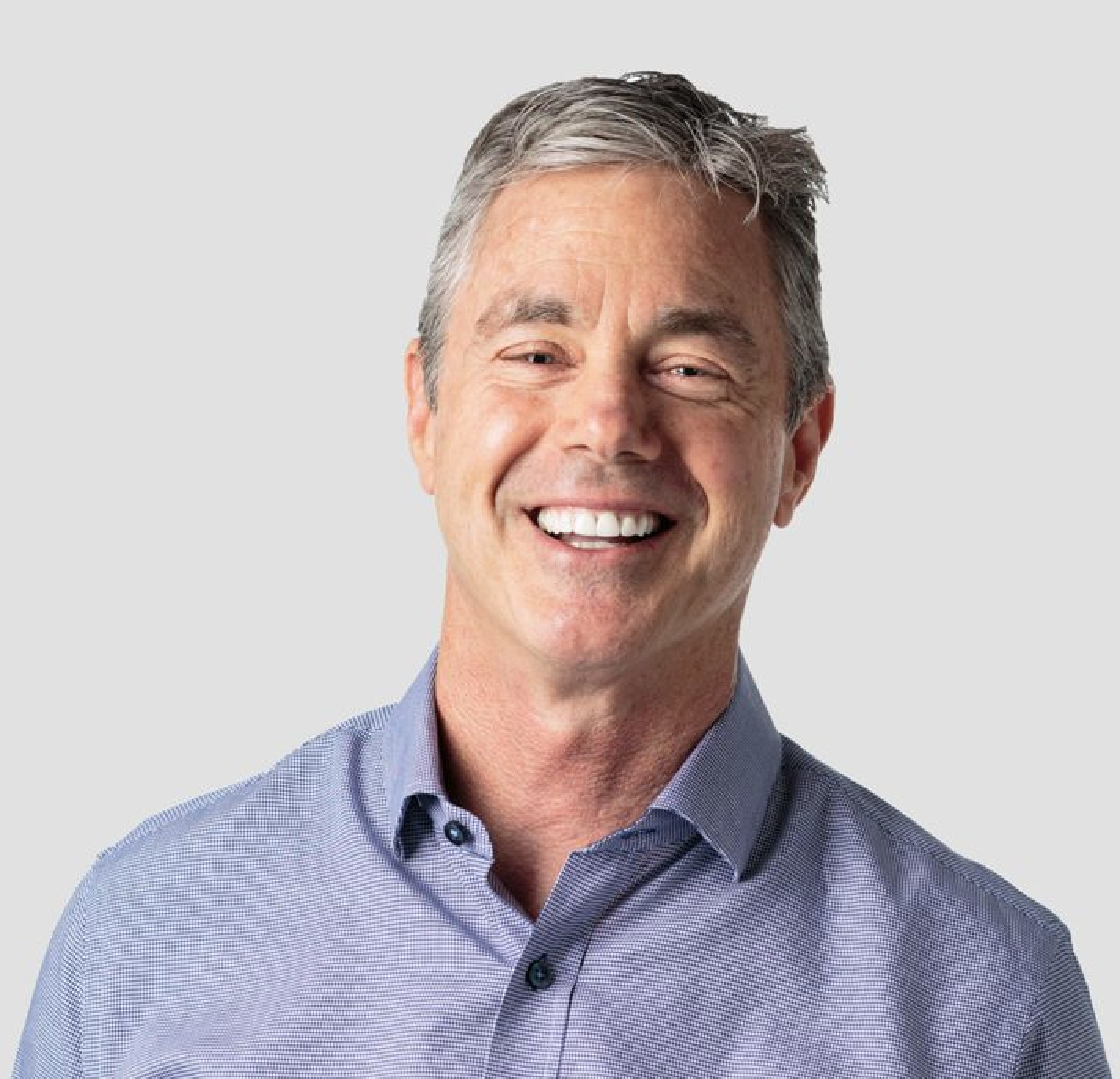
The Six-Week Trip That Changed Everything
In 2008, Greg Sullivan took six weeks off and went to India with his friend Joe Diaz. He was in his mid-40s. He had already co-founded a company that made coin-operated basketball games, run one of the largest used car companies in the country, and studied philosophy at Cambridge. What he hadn't done - not seriously, not slowly - was travel.
The India trip changed the calculus. Not because it was transformative in the Instagram-caption sense, but because Sullivan came back knowing something specific: that the way most travel media covered the world bore almost no resemblance to what travel actually was. "Visiting destinations I had only read about, connecting with people from those places, and seeking to understand their cultures and perspectives changed my views," he has said. He decided to do something about it.
In 2009 - the worst economic moment in a generation - Sullivan and Diaz launched AFAR magazine. They had no publishing experience. They had, between them, a belief that experiential travel done thoughtfully was one of the most humanizing things a person could do, and a willingness to spend their own money to make the point. Sullivan invested roughly $20 million of his own capital before the company turned a profit.
Travel is a mindset. The second that travelers walk out their front door, they are curious explorers discovering the new and distinctive.- Greg Sullivan, AFAR Cofounder & CEO
Five years in, the magazine had grown its circulation fivefold. It had been named Best Travel Magazine in America - twice. By 2024, after what Sullivan described as "years of work and a decade of talking about it," AFAR earned B Corp certification. In 2025, it acquired SUITCASE Magazine, a UK brand with European editorial reach. The company that began as a print publication now runs a digital platform, a podcast, an event series, a B2B travel advisor product, and a nonprofit foundation.
Three Careers Before the One He's Known For
Sullivan grew up in Oklahoma in a family that didn't travel much beyond what their station wagon could reach. He went to the University of Notre Dame for a finance degree, then to the University of Virginia School of Law. He graduated into a career as a corporate securities attorney, then pivoted to investment banking. Neither stuck.
In 1989, he co-founded National Sports Games - the company behind the world's largest-selling coin-operated basketball game. It was his first entrepreneurial outing, and it lasted until 1995. Then came the pivot that defined the next decade: joining DriveTime Automotive Group, the used car sales and finance company that would become the second largest of its kind in the United States. Sullivan served as President from 1995, added CEO duties in 1999, and stayed on as Vice Chairman until 2007.
Somewhere in the DriveTime years, he went back to school - studied philosophy, spent time at Cambridge - and concluded, as he has put it, that "travel is the best teacher of all." When he left DriveTime, he had the capital, the curiosity, and the conviction to test that theory at scale.
AFAR Is Not a Travel Magazine. It Is a Bet on Human Nature.
Sullivan's founding thesis was simple and unfashionable: that most people, given the chance to slow down and really see a place, come back kinder. AFAR was built to prove that. The mission statement - "inspiring, guiding, and enabling people to travel in a deeper way" - has never changed.
What has changed is the scale. AFAR now operates across print, digital, podcasting (Travel Tales, hosted by deputy editor Aislyn Greene), experiential events through AFAR Experiences, and a B2B advisor platform. The company runs at roughly $57 million in annual revenue with 280 employees. It took Series A funding of $16 million and has remained independent since.
The print flagship, named Best Travel Magazine in America twice. Features experiential destination guides, cultural storytelling, and long-form travel journalism.
A nonprofit travel scholarship sending low-income high school students abroad - to Peru, Cambodia, China, Mexico, and more. Over 300 students to date.
Immersive travel events in partnership with destination marketing organizations around the world. Travel journalism meets experiential events.
Launched July 2020. A digital audio extension of AFAR's storytelling mission hosted by deputy editor Aislyn Greene.
Why He Thinks Travel Is the Answer
Sullivan is not a travel-as-escape person. He is a travel-as-education person - specifically, the kind of education that his philosophy studies at Cambridge convinced him no classroom fully delivers. "My view of what my life might be was narrower than what I thought," he has said, "and what I saw when I got to other places started me just thinking about new possibilities."
He grew up in a house where family trips meant driving. His co-founder Joe Diaz grew up traveling internationally. The difference between their two perspectives became the editorial engine of AFAR: the idea that travel's transformation is not reserved for people who grew up doing it, that it can arrive at any age, that it begins the moment you walk out your front door with genuine curiosity.
This is also the philosophy behind Learning AFAR - Sullivan's personal regret that he didn't discover international travel as a teenager drove him to help fund it for students who would otherwise never get the chance. He has said that watching those students encounter the world for the first time has been among the most rewarding things he's done.
"Inspiring, guiding, and enabling people to travel in a deeper way makes it more likely that those people will see beyond themselves and act for the greater good."
"Travel should enlighten us, should make us wiser and more empathetic."
"Most people, no matter where they live, are good at heart and trying their best."
"We say we don't want to pass the world's problems on to our children. But we don't always act that way."
Three Degrees - One Winding Road
The Cambridge interlude is the telling one. Sullivan returned to academic philosophy in his 40s - while still at DriveTime - and came out the other side convinced that travel was, as he has put it, "the best teacher of all." The unusual sequence of finance, law, coin-operated basketball, used cars, philosophy, and then travel journalism turns out to follow a logic: he has always been interested in how people make decisions and what changes them.