Founder · CEO · HealthSherpa
George Kalogeropoulos
He builds the front door to American health coverage - and keeps the line moving.
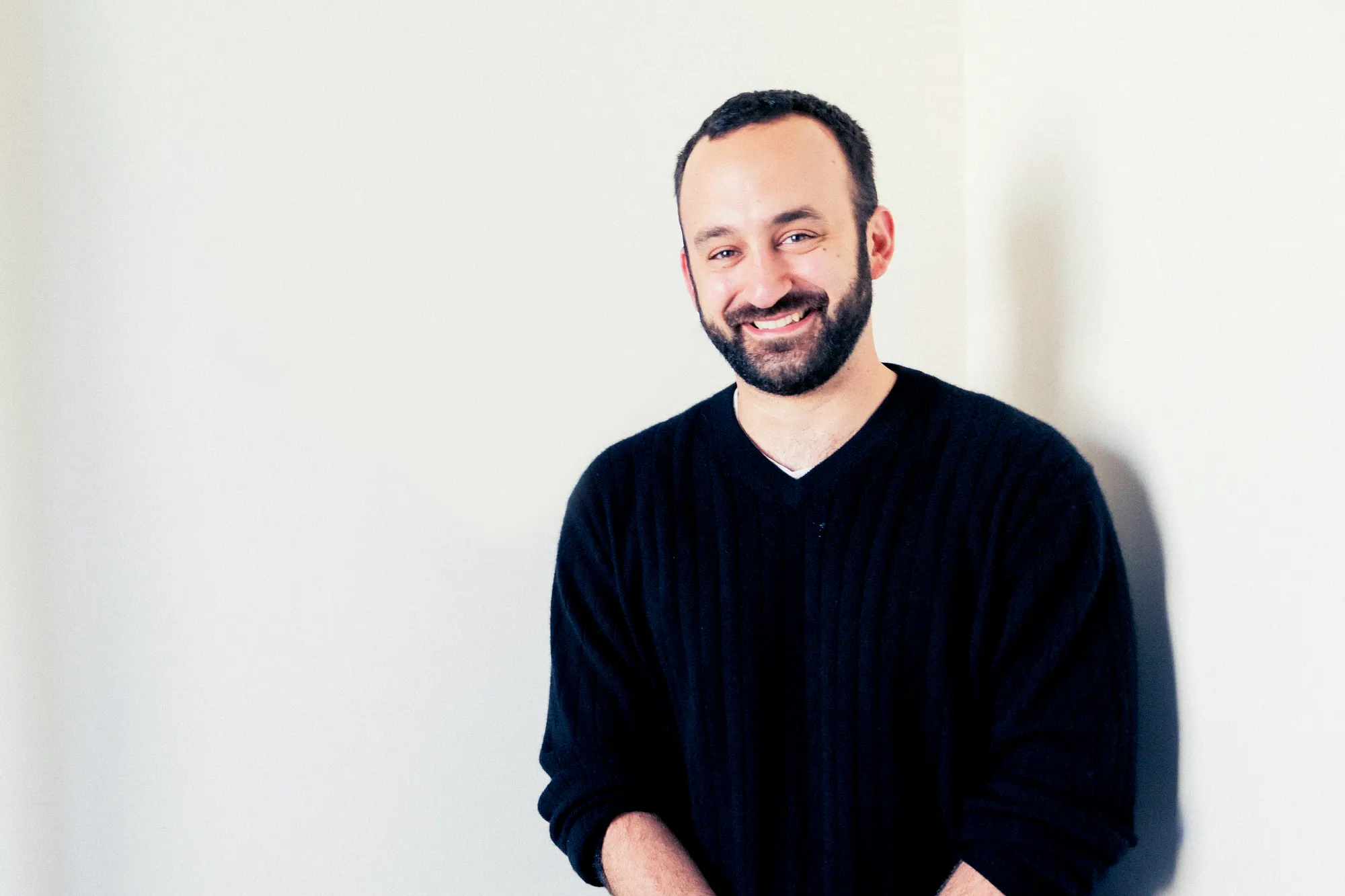
The guide who built a faster way in. George Kalogeropoulos.
He builds the front door to American health coverage - and keeps the line moving.
In October 2013, the federal health insurance exchange went live, then promptly fell over. Pages timed out. Carts emptied. Within a couple of days, three programmers in the Bay Area had a faster version running.
One of them was George Kalogeropoulos. The site they built, HealthSherpa, did not try to replace the government. It sat on top of it, took the same plans and prices, and made them legible. Then it kept going. More than ten million people have used it to find coverage.
The name is the whole thesis. A sherpa does not own the mountain. A sherpa knows the route, carries the load, and gets you to the other side. Health insurance is the mountain. Kalogeropoulos sells the guide.
Your decision-making process should include evaluating the impact your work has on others.
Before insurance, there was real estate. In 2012, Kalogeropoulos and his college friend Ning Liang went through Y Combinator with a startup that predicted rent prices in a given market. The math worked. The market did not care. Real estate investors had no appetite for statistical models.
So they asked a better question: what other enormous industry hides its prices? The federal government had just started releasing hospital pricing data, buried in spreadsheets nobody could read. They built OpsCost to make it searchable. People used it. The lesson stuck - valuable information was locked away, and unlocking it was a business.
Then HealthCare.gov launched and broke. The opening was obvious. Take the plans, take the prices, and build the experience the government had not. They did it in days. Cat Perez, a hackathon winner, joined in 2015 as co-founder and chief product officer. The Sherpa had a team.
Kalogeropoulos did not stop at code. He became a licensed insurance agent. If you are going to guide people through a thing, it helps to have walked it yourself.
People choose HealthSherpa the way they choose TurboTax over filing by hand - because it is more user-friendly.
Cumulative enrollments reported by HealthSherpa, rounded. The line only goes one direction.
Sources: HealthSherpa, Comstock's, Y Combinator. Bars scaled to the 10M+ figure.
I had anxiety every hour I spent there. I constantly questioned why I was doing what I was doing.- On his years at Bridgewater Associates, before he found the work that fit
He grew up in Greece in a lower-middle-class home. His father sculpted; his mother tutored. Money was tight, and for a year in the U.S. the family relied on Medicaid - the kind of coverage he would later spend his career helping others find.
A B.A. in political science from Yale led to three years at Bridgewater Associates. He has been blunt about how little it suited him. The exit was the point - it pushed him toward work he could defend to himself.
Most founders building insurance software would never sit for the exam. Kalogeropoulos became a licensed insurance agent. You cannot guide a route you have not walked.
Studies poli-sci at Yale - not the obvious launchpad for a healthtech company.
Trading and portfolio construction at one of the world's largest hedge funds. He left questioning the why.
Goes through YC with Ning Liang on a rent-price prediction startup. Investors shrug. The pivot begins.
Makes federal hospital pricing searchable, then builds an alternative to the failing HealthCare.gov launch.
The hackathon winner becomes co-founder and chief product officer.
Raises a Series A and moves HQ from the Bay Area to Sacramento for livability and talent.
HealthSherpa becomes the first company approved for the federal EDE program.
Cumulative enrollments since 2014 pass 10 million people.
Help every American feel the comfort and security of having health coverage.- The mission, stated plainly