A shopping problem hiding inside a health crisis
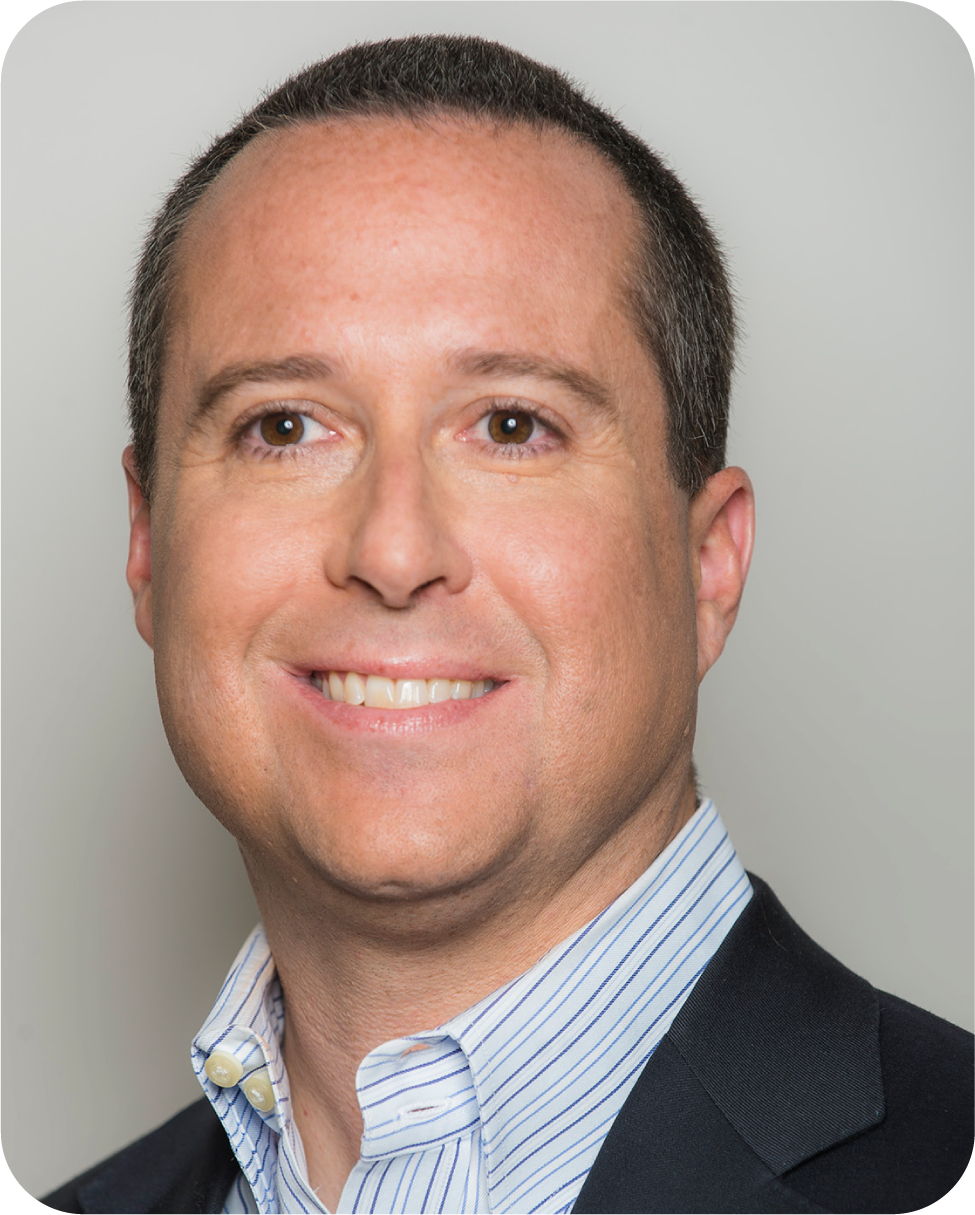
Eric Levin runs a company built on a stubborn contradiction. Two people can walk into two pharmacies, hand over prescriptions for the exact same drug - same molecule, same dose, same manufacturer - and pay wildly different amounts. Sometimes the cheaper, clinically equivalent option is sitting one shelf over, and nobody tells the patient it exists. Levin's company, Scripta Insights, exists to close that gap.
As co-founder and chief executive of the Needham, Massachusetts firm, Levin has spent the years since 2017 turning that observation into a business. Scripta works with self-insured employers and health plans, analyzing pharmacy claims to surface lower-cost alternatives that a member's doctor can consider. The pitch is deceptively simple: show people a cheaper version of the medication they already take, and let the savings speak for themselves.
The numbers Levin cites suggest the approach is landing. In a single recent year, Scripta generated 78,000 prescription switches that produced roughly $29 million in savings for members. Company revenue grew more than 100% in 2024, and the client roster passed 80 organizations. In December 2024, the firm closed a $17 million Series B round led by Aquiline Capital Partners, pushing total funding to $42 million.
We are changing the way people shop for prescription drugs in America.
What separates Scripta from the crowded field of healthcare cost-cutters, in Levin's telling, is durability. It is easy to recommend a switch; it is harder to make it stick. He points to a figure he returns to often: 93% of the drug switches driven by Scripta's clinical recommendations remain in place even after 12 months. That persistence, he argues, is the real proof the recommendations are sound and not just short-term arbitrage.
Betting on the unbiased middle
The pharmacy benefits industry is enormous and, by design, opaque. Layers of middlemen - pharmacy benefit managers, rebate arrangements, formulary negotiations - sit between the patient and the actual price of a drug. Levin's core wager is that this opacity is a business opportunity: an independent party that owes nothing to the incumbents can credibly tell employers and members what a medication should cost.
It is more important than ever to have an unbiased third party who can credibly provide transparency tools.
That positioning is why Scripta leans on clinical, not just financial, recommendations. Its product suite carries approachable names - Med Mapper and Savings Mapper on the analytics side, Rx Navigator for members and Rx Monitor for plan sponsors - but the underlying claim is serious: savings should follow evidence-based prescribing, not coupons or gimmicks. The company reports an average client lifetime return of roughly 4.2x, a figure Levin uses to reframe the pitch from "nice to have" to plain economics.
From The Learning Company to the pharmacy shelf
Levin did not arrive in healthcare by way of medicine. He is an operator first, with a career built across consumer and B2B businesses at very different scales. He earned a BS in Business Administration from Babson College, with dual majors in marketing and accounting, and later completed executive education at Columbia Business School.
His formative chapter came alongside Kevin O'Leary - later famous as an investor on "Shark Tank" - as part of the executive team that grew The Learning Company from roughly $60 million to more than $1.2 billion in sales in about six years, culminating in a $3.6 billion sale. From there he stacked senior roles: SVP at Mattel, chief marketing officer at Frictionless Commerce, CEO and co-president at Techno Source, and division president and corporate SVP at Li & Fung, the roughly $20 billion global trading company. He also ran his own firm, M5 Consulting.
Add it up and the resume reads like a case study in scaling and dealmaking: products with more than $5 billion in cumulative sales, and involvement in over 32 mergers and acquisitions. What makes Scripta different, by his own account, is that he did not take the job to build something to flip. He took it because he believes the country is in a genuine crisis where drug prices are simply too high and people cannot afford the medicine they need.
The O'Leary school
Levin learned to scale on the team that turned The Learning Company into a business worth billions - training in growth and M&A he now applies to health data.
32 deals deep
Decades of mergers and acquisitions gave him an operator's instinct for what actually creates value versus what only looks good on a slide.
A conviction hire
He frames joining Scripta as mission-driven: a response to a healthcare affordability crisis, not another consumer product to sell and exit.
Playful product names
Med Mapper, Savings Mapper, Rx Navigator, Rx Monitor - serious clinical machinery wrapped in language a benefits manager can actually remember.
Scaling into the health plan market
With fresh Series B capital, Levin's Scripta has been expanding beyond its employer base toward health plans and deepening ties with the benefits brokers who influence which tools land in front of large populations. The company has also moved to tackle the newest and most expensive drug categories, launching a navigator aimed at the surge of GLP-1 weight-loss and diabetes medications straining budgets across the country.
The through-line is consistency. Whether the product was educational software or a toy or a pharmacy analytics platform, Levin's method has been to find a large, inefficient market and give buyers better information. In prescription drugs, the inefficiency is measured in real money that patients and employers were never told they could keep. His aspiration, stated plainly, is to make that information the default - to turn transparency from a selling point into the baseline expectation for how Americans buy their medicine.