Founder · Investor · Los Angeles
David
Mandel
He helped feed Wall Street's machines the data they crave. Now he wants Web3 to work without code.
He helped feed Wall Street's machines the data they crave. Now he wants Web3 to work without code.
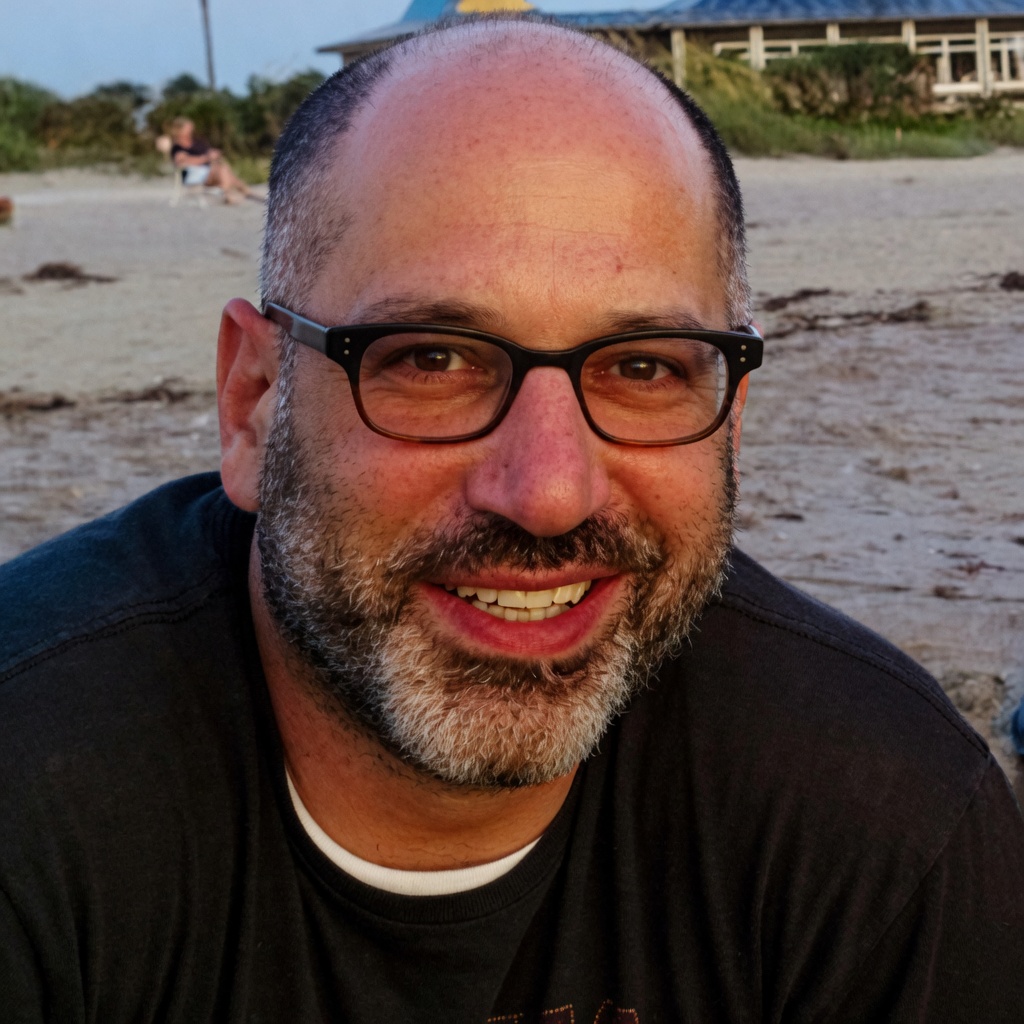
David Mandel chairs YEBO from Los Angeles, and YEBO has a stubborn idea: that ordinary brands and people should be able to mint, manage and reward with digital assets without ever opening a code editor. NFTs that behave like loyalty cards. Web3 tools that feel like a website builder. The blockchain part hidden, on purpose.
It is a deliberately unglamorous mission in an industry that loves its jargon. YEBO's pitch is plain: build and deliver content for the Web3 economy, re-purpose NFTs, run blockchain rewards programs - and do all of it with no-code. The company is small and seed-stage, headquartered in LA, and it is the latest chapter in a career that has a habit of arriving somewhere before the crowd does.
Because before Web3, there was Wall Street. And before Wall Street, there were chips, identity software and insurance ledgers. Mandel's resume is less a straight line than a series of early arrivals - each one in a field his earlier peers never touched.
In 2014 Mandel co-founded Bitvore, an AI and machine-learning company with an unfashionable obsession: business signals buried in unstructured text. Filings, headlines, disclosures - the noise that humans skim and miss. Bitvore's software read it at scale and turned it into risk intelligence a trading desk could actually use.
The customer list reads like a roll call of finance. Bitvore's data has been used by S&P, Moody's, Fidelity, Wells Fargo, UBS and AIG, among other major players. The company later pushed the same engine past finance into supply-chain risk with a product called in10.ai.
In November 2024, BondWave acquired Bitvore's fixed-income data analytics business - a clean validation of a thesis Mandel had been building for a decade: that the right data, surfaced simply, changes how people decide.
No-code Web3. Helps brands and people create, manage and reward with NFTs, digital assets and blockchain loyalty programs. Seed-stage, Los Angeles.
AI and machine-learning data used across Wall Street. Risk and business signals mined from unstructured text. Fixed-income unit acquired by BondWave in 2024.
A math degree, a quarter-century of operating, and a knack for writing checks into companies before the rest of the room understood them.
Look at the portfolio and a personality emerges. Broadcom was a bet on silicon before silicon was a household word. Access360 was enterprise identity, sold to IBM. Fulcrum Microsystems was asynchronous chip design, sold to Intel. None of these were obvious. All of them were early.
Then came the pivot most operators never make: out of insurance ledgers and into AI data infrastructure, and then again into consumer-facing Web3. Three completely different rooms. Mandel chaired all of them. The connective tissue is not an industry - it is a temperament. He likes raw information that nobody has organized yet, and he likes building the layer that turns it into something useful.
It explains the patents, too. Data visualization is the unglamorous art of turning numbers into pictures people can act on. It is also, quietly, the through-line of his entire career: Bitvore made markets legible; YEBO is trying to make Web3 legible. Same instinct, new frontier.
The aspiration is consistent across every venture: take something complicated - market data, blockchain, digital ownership - and make it usable by people who do not want to learn the plumbing. YEBO is the cleanest expression of it yet: bring people into Web3 and let them build their own no-code digital assets, no developer required.
It is a quiet ambition for a loud industry. And it is exactly the kind of bet Mandel has spent thirty years making - early, unglamorous, and aimed at the moment the rest of the room catches up.