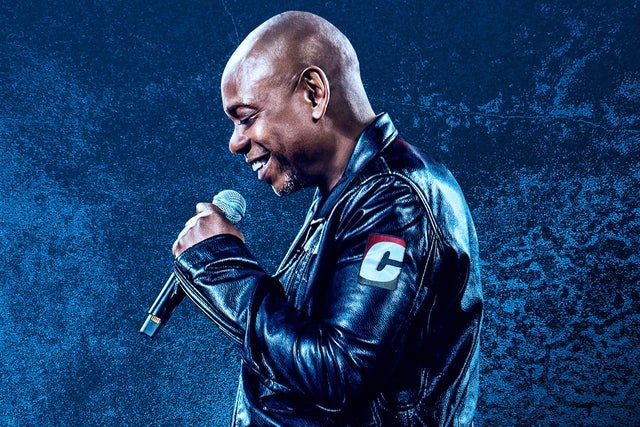
YesPress Presents
DAVECHAPPELLE
The man who turned down $50 million, moved to a farm, and returned as the undisputed king of stand-up comedy.
🎤 America's Comic Genius
Last updated: March 2026
The man who turned down $50 million, moved to a farm, and returned as the undisputed king of stand-up comedy.
David Khari Webber Chappelle was born on August 24, 1973, in Washington, D.C. — the city that would shape his voice, his targets, and his fire. His parents were both professors: father William at Antioch College in Yellow Springs, Ohio, and mother Yvonne at Howard University, who also served as a Unitarian minister. When they divorced, six-year-old Dave began splitting time between D.C. and Ohio — two worlds that would wire the duality in his comedy.
Growing up in one of the tougher parts of the nation's capital, young Dave found his way to comedy not by accident, but by design. He attended the Duke Ellington School of the Arts in Washington, where he studied theatre and sharpened the instincts of a natural performer. Inspired by Bill Cosby's sitcom and Eddie Murphy's raw energy, he knew exactly what he wanted to be.
By 14, he was already performing stand-up at D.C. nightclubs — so young that his mother had to chaperone him into the venues. "Crack was king in D.C., and kids my age were getting into incredible trouble," he once explained. "So it was an easy choice — running the streets doing crack, or telling jokes at a nightclub and getting a lot of experience."
After graduating high school in 1991, Dave made a deal with his parents: one year in New York City. If comedy didn't work, he'd consider college. He never went back to consider college.
His debut at Harlem's Apollo Theater amateur night was humbling — he was booed offstage. Rather than breaking him, Chappelle described it as the moment that gave him the courage to continue. He was back on the Greenwich Village comedy circuit within weeks, honing his craft at the Boston Comedy Club, performing in parks, and grinding through open-mic nights.
In 1992, a television appearance on Russell Simmons' Def Comedy Jam on HBO changed everything. He became the youngest comedian ever featured on Comic Relief. Networks came calling. Hollywood took notice. At 19, he debuted in Mel Brooks' Robin Hood: Men in Tights. By his mid-20s, he was in The Nutty Professor alongside Eddie Murphy, the very man who inspired him.
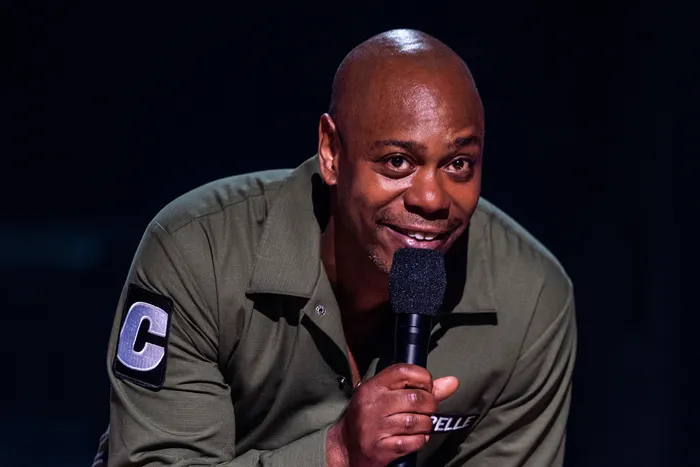
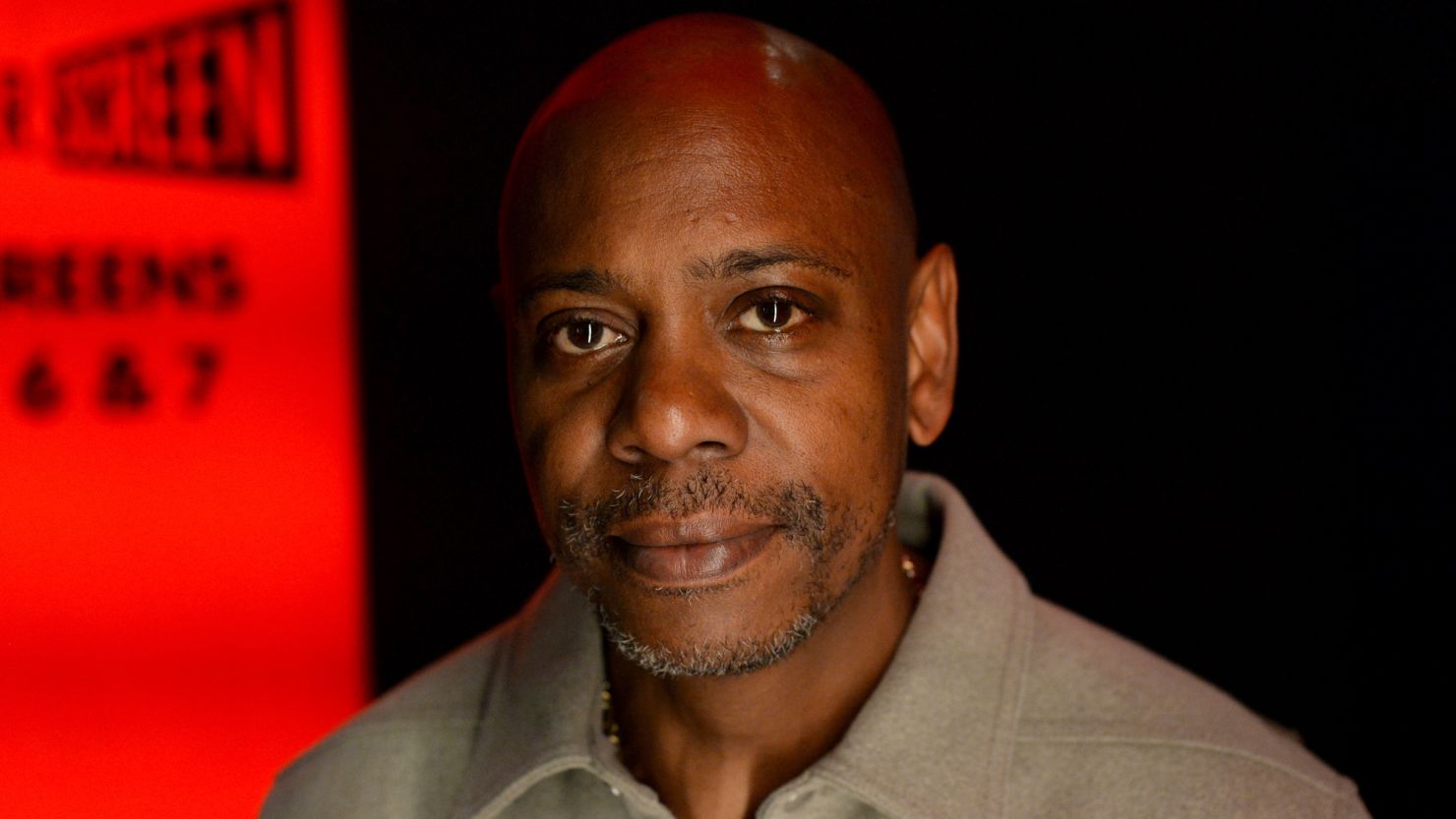
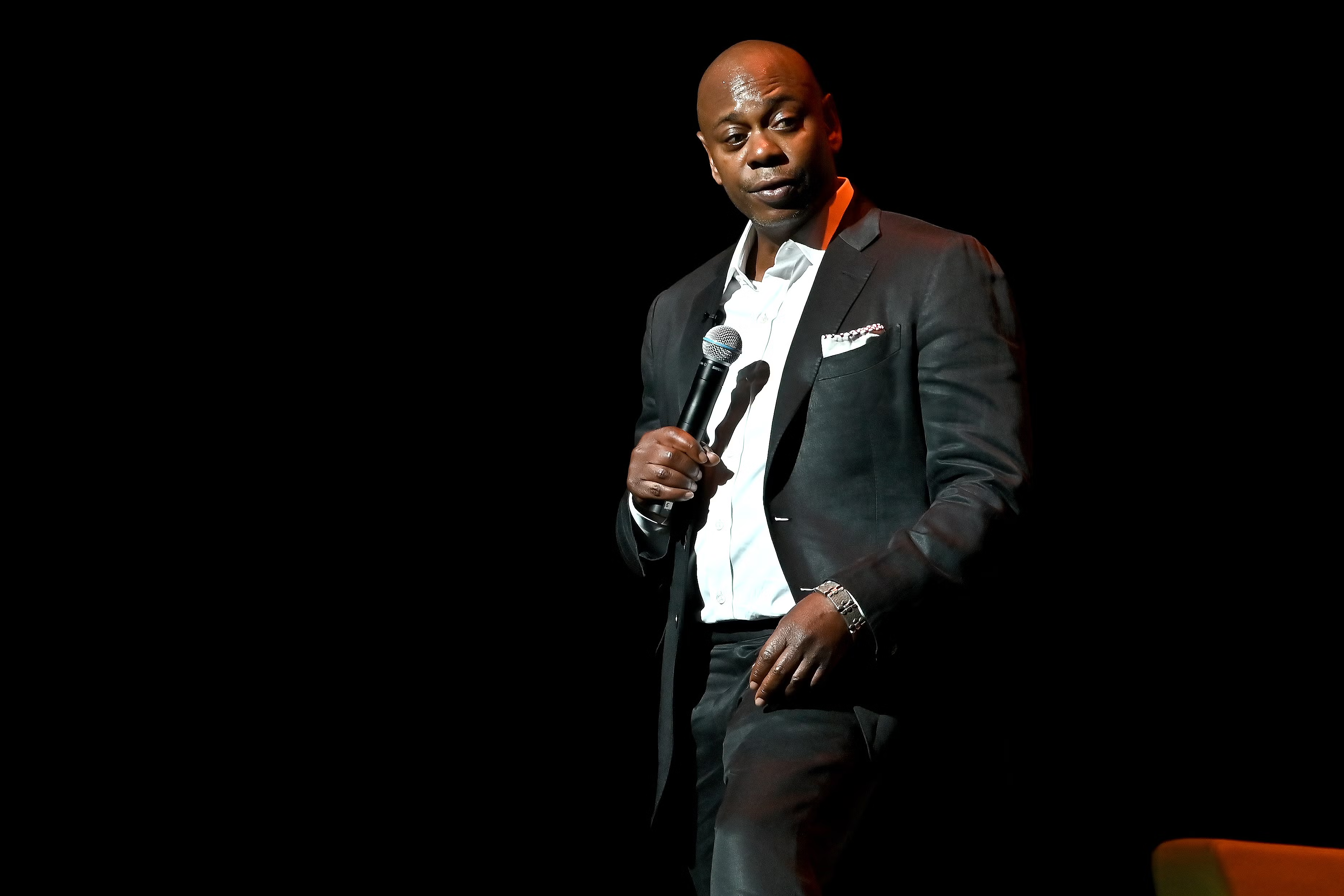
In 2005, Dave Chappelle was the most commercially dominant comedian in America. Chappelle's Show was Comedy Central's biggest hit ever. Season 1's DVD had broken all records. Season 3 was in production. Comedy Central reportedly offered him $50 million to simply keep going.
He flew to South Africa instead. No press conference. No statement. Just gone.
The tabloids screamed "breakdown." Late-night comics shook their heads. But Chappelle told a different story. During the production of one particular sketch, he noticed the crew laughing — and the laugh felt wrong. Not with the material, but at it. The joke was landing differently than intended. The discomfort he felt wasn't about exhaustion or money. It was about his art being received in a way that violated its purpose.
"You become famous but you can't become unfamous," he has said. "You can become infamous but not unfamous." That phrase alone tells you everything about how his mind works.
He came back to Yellow Springs, Ohio, where his father had taught. Bought a farm. Lived quietly. The industry moved on, tried to replicate him, failed. And twelve years later, Netflix came to him with a deal worth $20 million per special. The farm wasn't a retreat — as one observer later noted, it was leverage.
Born August 24, 1973 — Dave is 52 years old as of 2026. Still the sharpest voice in the room.
Born in Washington, D.C., raised between D.C. and Yellow Springs, Ohio. He now lives full-time on a farm in Yellow Springs — a town his father helped shape at Antioch College.
His full legal name is David Khari Webber Chappelle. "Dave Chappelle" is not a stage name — it's just the shortened version the world knows him by.
He started performing at age 14 in D.C. nightclubs, with his mother as chaperone. He was so compelling that by senior year, the school principal excused him to go on the road for comedy gigs.
Estimated at approximately $70 million, built through decades of stand-up, his landmark Netflix deal, film work, and the ongoing Chappelle's Show royalties battle.
He walked away from a $50 million Comedy Central deal in 2005, citing creative discomfort with how his racially charged material was being received on set. He flew to South Africa and moved to a farm in Ohio.
Dave married Elaine Mendoza Erfe in 2001 — they met in Brooklyn when he was doing the stand-up circuit grind. Elaine keeps a remarkably private personal life, rarely appearing in public with her husband. They have two sons, Sulayman and Ibrahim, and a daughter named Sanaa. The whole family lives on the farm in Yellow Springs.
His heritage runs deep with legacy. A paternal great-grandfather, William D. Chappelle, was a bishop of the African Methodist Episcopal Church and President of Allen University. A great-great-grandfather served in the South Carolina Legislature during Reconstruction. His maternal grandmother, Beatrice Murray, was born in Grenada and was a real estate broker and civil rights activist. Dave Chappelle didn't come from nothing — he came from a lineage of people who built things.
His mother, Yvonne Seon, was not just an academic but a diplomat with ties to the Congo. She is the reason Dave went on stage at 14. She is also the woman who, after every show, would give him a quiet critique from the back of the club. "P***y jokes were a little too much tonight, son," she told him once. He told that story at the Kennedy Center, in front of legends, laughing his head off.
Chappelle converted to Islam in 1998, around the same time his father passed away. He has spoken about it as a personal spiritual decision and rarely discusses it publicly in depth — which, for a man who discusses practically everything publicly, is quietly telling about what he holds sacred.
His relationship with music is not a hobby — it's a genuine parallel life. He organized the 2005 Brooklyn Block Party and later ran a two-week concert series at Radio City Music Hall in 2017 where musicians and comics shared the stage. John Legend, Common, Q-Tip, Erykah Badu, and Yasiin Bey all count him as a close friend. "He's always bringing people together," Legend has said.
The Rolling Stone ranked him #9 in the Top 50 Stand-Up Comedians of All Time. Esquire called him "the comic genius of America" in 2006. Tiffany Haddish, upon his Kennedy Center honor, simply said: "You the greatest." That's the legacy — not the specials, not the deal, not the walkaway. The genuine love of everyone who's ever watched him work.