Save the Kids
A pump-and-dump token launched with influencer faces attached. The investigation implicated members of FaZe Clan and contributed to FaZe Kay's removal from the org.
Stephen Findeisen runs the receipts on the grift economy from a Houston home studio, in suspenders, with the patience of a chemist.
By Yespress Editorial · Filed from the internet
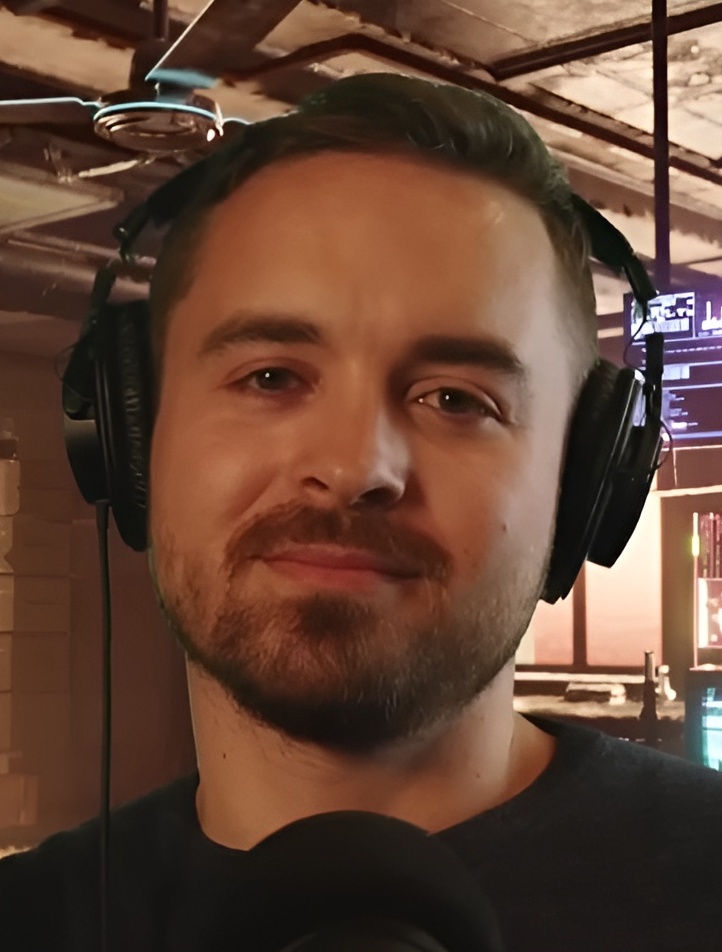 Findeisen, Dec 2022
Coffeezilla is in his Houston office, the one with the suspenders, the desk lamp, the wall of screens. On any given week he is reading a token's whitepaper, requesting comment from a celebrity's lawyer, or working through a 90-minute interview in which the founder of an exploded exchange slowly says more than he meant to. The channel has 4.5 million subscribers. The format is the same one he started with in 2018: read the documents, follow the money, ask the next question, wait.
Stephen Findeisen, who chose the handle Coffeezilla off a side channel called Voidzilla, has spent the past several years building what amounts to a small investigative bureau staffed mostly by himself. The beat is fraud: pump-and-dump tokens, fake gurus, celebrity promoters, decentralized finance projects that exist primarily as charts. He treats them all like a chemical engineer would treat a sample, which is to say with curiosity, gloves, and a scale.
He arrived at this beat sideways. He studied chemical engineering at Texas A&M. Before YouTube he sold houses. In 2014 he began posting time-management and pop-science clips under the name Coffee Break. In 2018 a side project shifted toward critiques of finance influencers promising overnight wealth, the men with sports cars in rented driveways. The audience for that turned out to be enormous. The audience for what came next turned out to be the news cycle itself.
He has said, more than once, that the analytical habits transferred better than the chemistry. He was first put on alert about scammers in high school, after his mother received a cancer diagnosis and the snake-oil sellers came calling. The detail explains the temperature of the work. It is not loud. It is not amused. It is a person who has watched what bad math does to a family and decided to spend his career checking the math.
The Coffeezilla rhythm is now familiar. A story breaks - a token launches with a celebrity face on it, an exchange melts, an NFT game promised a zoo - and within a week or two, often before the trade press, there will be a video. Twenty minutes long. Slides on screen. White text on navy. A founder on a Zoom call, sometimes raging, sometimes friendly, sometimes flickering between the two as the questions get sharper.
The reason it works is editorial restraint. He does not interrupt the way cable hosts interrupt. He does not perform incredulity. He waits, and the documents do the talking. By the time the founder is contradicting an earlier statement on a public livestream, the audience has already read the screenshot.
One reporter. One editor's chair. A wall of receipts. Patreon supporters in the back office. Lawyers on speed dial. A research method imported from a chemical engineering classroom.
Output: long-form journalism in a format the algorithm will actually deliver.
absolute toilet paper- Coffeezilla, on a cease and desist that arrived during the Save the Kids investigation
The list below is the part of the work that travels. There is more of it, week to week, in shorter videos and follow-ups. These are the ones that crossed over into the mainstream press and, in some cases, into court.
A pump-and-dump token launched with influencer faces attached. The investigation implicated members of FaZe Clan and contributed to FaZe Kay's removal from the org.
Allegations of fund misappropriation aimed at the project's leadership, with on-chain evidence stacked frame by frame.
Three on-record interviews during the FTX collapse. Coffeezilla characterized the third as an admission of fraud. The clips were cited widely across mainstream press.
A multi-part series on Logan Paul's NFT zoo. Public pressure followed. A defamation suit followed in June 2024. The audience grew either way.
An investigation into Jimmy Donaldson's earlier involvement with crypto and NFT projects, surfacing transactions that had not been widely discussed.
A three-part series on the esports skin gambling economy aimed at minors. Long form. Carefully sourced. Difficult to watch.
An interview with Hayden Davis about the alleged $LIBRA scam, in keeping with the format: hours of tape, edited down, the questions left in.
The original premise, still running underneath everything else: course-sellers, dropshippers, manifestation merchants. The genre that started Coffeezilla in 2018.
White collared shirt. Dark suspenders. A look halfway between a 1930s reporter and a guy who is comfortable on camera. Rolling Stone photographed him in front of a cyberpunk detective's office. He shoots from Houston.
He has been clear that what stayed with him from Texas A&M was the analytical habit, not the chemistry. The work he does now is roughly: take a token, isolate the claims, run the numbers, weigh.
He has said his suspicion of scammers traces back to high school. His mother received a cancer diagnosis. People showed up to sell her things. He noticed.
Coffee Break is still findable. It was never Coffeezilla. It was a calmer, more general-interest YouTube, and it gave him years of practice writing scripts before the FTX story showed up.
The Coffeezilla format rewards sitting down for it. Below are a handful of entry points; the full archive lives on YouTube.