
Imagine a research editor winning a devoted reader inside a consultancy. The reader wants the rest of the team to subscribe. Suddenly the sale requires a small procession of expense claims, separate checkouts and reminders. The editorial work has found its audience; the purchasing arrangement has yet to catch up. Even excellent intelligence can lose a contest with an awkward invoice.
beehiiv’s June 25, 2026 launch of Group Subscriptions gave that reader another route: buy access for the team in one transaction. The shift is modest on a checkout screen and substantial on a publisher’s ledger. A publication can sell a block of paid access to an organization, with one purchaser responsible for the account.
For a specialist title, the appeal is easy to picture. A procurement briefing might serve several buyers at one manufacturer. A policy newsletter could inform a whole public-affairs desk. These are possible uses, rather than reported customer results. Their common feature is that the information earns its keep at work, where the person reading and the person authorizing expenditure need not be the same.
Source: June 25 launch
02 / THE BUSINESS OF READINGSomeone gets the keys
The purchaser becomes the group administrator. The dedicated dashboard supports individual invitations, bulk CSV uploads, seat tracking, member additions and removals, and centralized billing and renewals. A change of personnel no longer has to become a fresh subscription sale.
Current help documentation describes a pool of seats: a claimed invitation consumes one seat and gives that reader full paid access. Administrators can see claimed and pending places. Members receive the same paid tier within a group; pricing and payment details stay with the administrator.
That division of labour matters. An editor should be reporting the next story while the buyer decides which new colleague needs access. A publisher can still offer help, but the ordinary business of a team changing shape has an owner on the customer’s side. The newsletter arrives as an individual reading experience, even when the decision to buy it belongs to a department.
Source: Buyer management guide

03 / THE BUSINESS OF READINGAugust brings the negotiation
On August 6, beehiiv added Custom Group Deals. Publishers could set a particular customer’s price, seat limit and payment terms: credit card, invoice or off-platform payment. They could send the primary administrator a payment link and manage members on the customer’s behalf.
This gives the publisher room to hold a sales conversation. A small professional association and a large research department may value the same publication differently, have different approval processes and want different numbers of readers. A public checkout price cannot conduct that conversation by itself.
Negotiation also needs discipline. A discount should purchase something useful for the business: a larger commitment, a workable service burden or a relationship worth developing. A handsome total can conceal an extravagant promise. If a deal includes extensive personal support, the publisher must price the hours as carefully as the seats. An invoice is a courtesy; unpaid work is an occupation.
Source: August 6 update
Your newsletter should be an asset you own.
beehiiv is the newsletter platform built for publishers who want to grow a list, send beautiful issues, and monetise without stitching five tools together.
04 / THE BUSINESS OF READINGCount the empty chairs
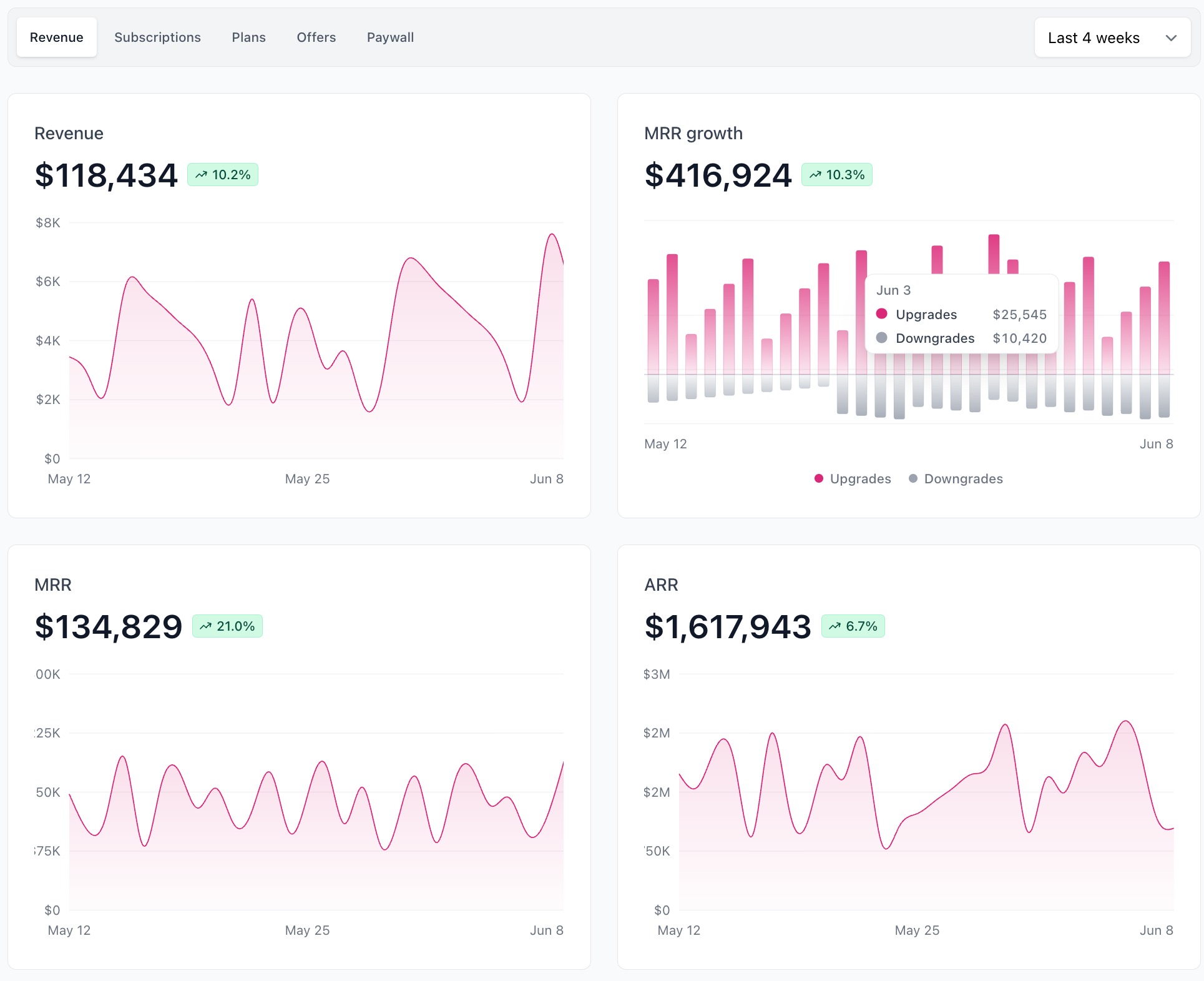
The launch included views for group revenue, seat utilization and growth. The wider subscription dashboards track subscriptions, trials and downgrades, alongside revenue and comparisons by billing cadence and tier.
Those measures answer different questions. Revenue records the sale. Seat utilization indicates whether the purchased access is being claimed. Neither, by itself, proves that readers are using the reporting or that the buyer will renew. A sensible publisher would examine them together, then ask the administrator what is preventing unused seats from reaching the right people.
Consider an illustrative group with 20 purchased seats and 12 claimed. Its seat utilization is 60%. Eight unused seats might mean onboarding stalled, the package was oversized or the team simply has not finished inviting colleagues. The number prompts a conversation; it does not supply the diagnosis.
Trials and downgrades require similar care. They belong to the broader paid-subscription picture. Current buyer guidance says free and paid trial offers do not apply to group purchases. A publisher should therefore avoid treating every trial in the subscription overview as a corporate prospect already testing a group account. For a B2B title, knowing which relationship a metric describes can be as valuable as the metric itself.
Source: Subscription dashboard announcement
A paid seat is only the beginning.
Group trial rules: Current buyer guidance.
05 / THE BUSINESS OF READINGZero take still leaves a bill
beehiiv’s current pricing page advertises a 0% platform take on subscription revenue. It also specifies Stripe’s standard processing fee of 2.9% plus $0.30 per transaction. The software subscription remains a separate cost.
Here is a deliberately simple example. Sell 20 seats at $120 each for a year, collected in a single $2,400 card transaction. At that stated processing rate, the fee is $69.90, leaving $2,330.10 before the beehiiv plan, taxes, reporting costs and other expenses. This is arithmetic using the advertised rate, not a forecast of any publisher’s receipts. Invoice and off-platform arrangements need their own cost assumptions.
Eligibility needs an equally careful reading. June’s announcement named Max; August’s update named Max and Enterprise. The current group-subscription help page lists Pro and Enterprise, while today’s pricing page uses Free, Lite, Pro and Enterprise. Pro is shown at $95 a month with yearly billing at the displayed 1,000-subscriber setting. That is a specific configuration, not a universal price for every audience size.
The publisher’s own workspace seats are also a different purchase from the reader seats sold in a group deal. Confusing the two would make a very efficient way to buy the wrong thing.
Source: Current pricing and fees
What a $2,400 card sale leaves.
Current eligibility: Pro and Enterprise. Historical eligibility: June and August.
06 / THE BUSINESS OF READINGThe renewal is the real sale
For specialist research and B2B publishers, the opportunity is to sell useful reporting at the scale at which a company consumes it. That could mean fewer separate purchasing decisions and a more substantial customer relationship. It also concentrates risk: losing one organization can remove several seats together.
The practical response is less glamorous than announcing a large contract. Agree the terms. Help the administrator distribute access. Watch whether seats are claimed. Ask what the team needs before renewal arrives. A company budget may open the door, but somebody inside the company must still want the next issue. The purchase can be collective. Attention remains stubbornly personal.
The purchase can be collective. Attention remains stubbornly personal.
Questions at the checkout
What are beehiiv group subscriptions?
A single buyer purchases multiple seats on one paid publication tier and distributes access to individual readers.
Who manages invitations and billing?
The purchaser is the group administrator, managing invitations, seat availability, membership changes and centralized billing through a dedicated dashboard.
What did Custom Group Deals add?
The August 6, 2026 update added customer-specific pricing, seat limits and credit-card, invoice or off-platform payment terms, plus publisher assistance with members.
Which beehiiv plans currently support group subscriptions?
Current group-subscription help documentation lists Pro and Enterprise. Historical launch materials used Max terminology.
Does a 0% subscription take mean no costs?
No. beehiiv software costs and payment processing still apply. Its pricing page states a standard Stripe fee of 2.9% plus $0.30 per transaction.