Pythian Says AI Cut Database Resolution Time by 80%

Across 15,000 monthly database tickets, Pythian says AI agents prepare the first runbook before an engineer steps in. Its reported gains reveal a workflow built around people, training and continuous upkeep.
Featured
This month's top stories
Pythian Services for When the Database Is Only Half the Problem
The alarms, the stalled AI pilot, the spreadsheet nobody trusts. Find the right Pythian service across eight buying paths—and know who keeps it running after launch.

Enterprise Data and AI Operations Makes AI Clock In
The model is rarely what keeps an AI pilot from becoming daily work. The missing layer is the data foundation, workflow engineering and round-the-clock operational discipline that makes intelligence dependable.

GigaOm’s AI Analyst Never Sleeps—or Picks Favorites
Pythian turned 150 dense annual reports into a digital analyst that answers in seconds—without trading away the impartiality that makes the research valuable.
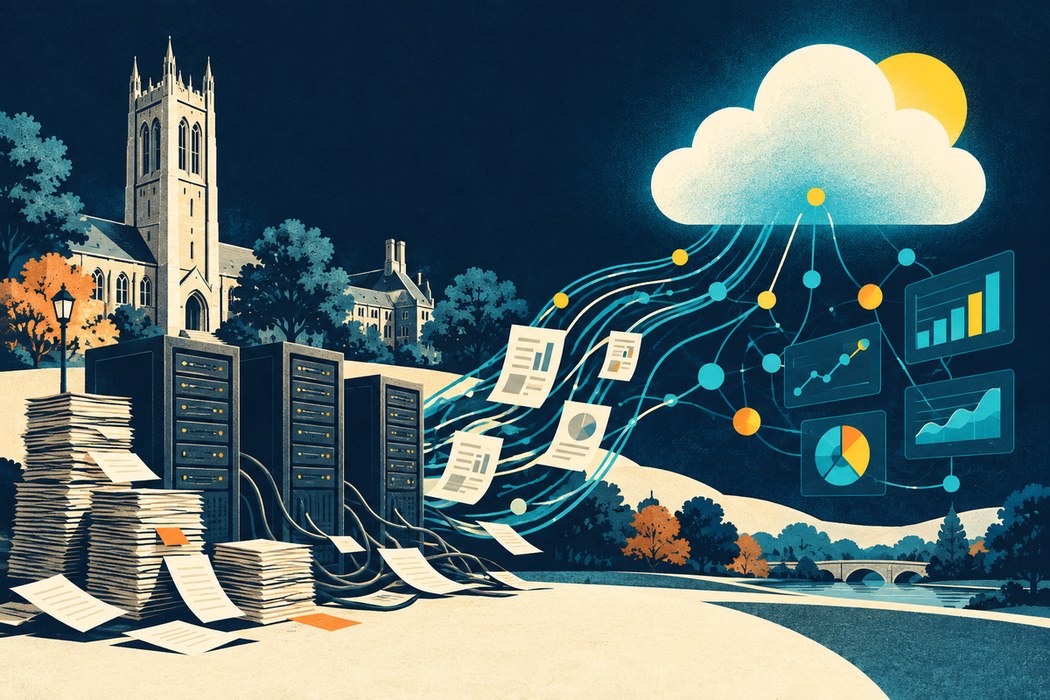
UMass Broke the Reporting Bottleneck for 70,000 Students
Aging infrastructure made routine answers slow and expensive. Pythian helped UMass move analytics to Oracle’s cloud without disruption—and put self-service reporting in staff hands.
FYI’s 100-Bucket Fix Made Its Database Breathe Again
FYI’s growth had trapped its team in a cycle of slow queries, surprise outages and bigger cloud bills. One carefully tested PostgreSQL redesign turned a giant table into manageable pieces—and gave the company permission to think about growth again.

Wayfair’s AI Future Starts With Its Old Code
Thousands of applications stand behind Wayfair’s push for better shopping experiences. Matt Ferrari explains why Pythian’s ability to understand the business—and code alongside his team—mattered to the choice of partner.

SoundCloud Cut Database Waits 84% With Pythian
From 250 milliseconds to 40: specialist database support helped SoundCloud tackle slow reads. The partnership also addressed a more human bottleneck—engineers waiting for engineering help.

How Schnucks Put AI to Work Beyond the Cart
At Schnucks, the smartest AI is not a spectacle. It is a practical system that reads the paperwork, checks the apples and gives store teams more time for customers.

AllSaints Cut Cloud Costs 75% Without Going Dark
AllSaints rebuilt its digital backbone on Google Cloud, trading idle servers for elastic infrastructure. The result: lower costs, faster pages and a migration customers never saw.
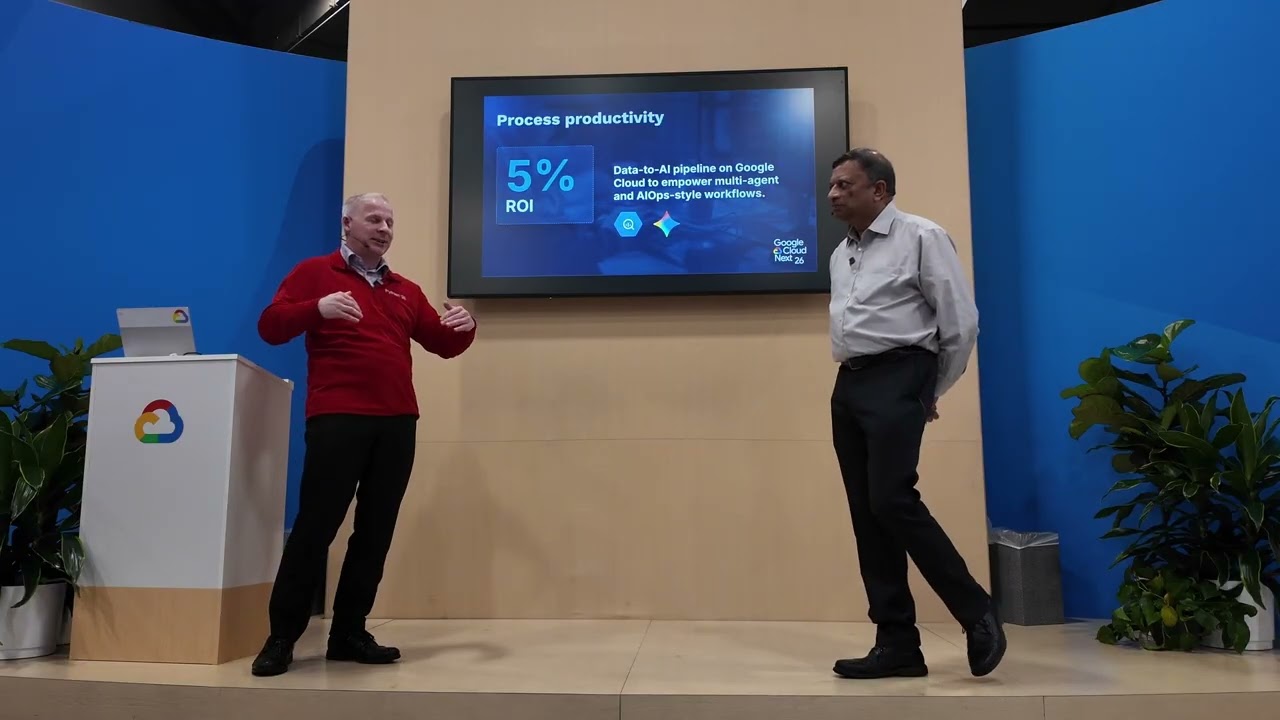
Sanmina’s AI Factory Starts With 350 Hours a Week
Sanmina is threading AI through office work, factory systems and the racks that power the cloud. Its CIO’s advice is refreshingly unflashy: educate leaders, secure the foundation and start small.
People
On the Pythian team
Brooks Borcherding
Brooks Borcherding is a veteran enterprise technology executive and the CEO and a director of Pythian. Across roles at Andersen Consulting, Avaya, Cisco, Navisite, Time Warner Cable, Datto, LiveAction, Cloudreach, Atos, and Pythian, his career has followed successive shifts in how companies communicate, build infrastructure, protect data, and adopt cloud and AI. He has helped lead three company transactions and now argues that practical AI adoption begins with clean data, employee enablement, and operational change.

Paul Lewis
Paul Lewis is the chief technology officer of Pythian, an enterprise data and AI consultancy, and a technology executive whose career spans financial services, Hitachi Vantara, cloud, data and artificial intelligence. He is also an executive analyst at GigaOm and an adviser to the Schulich School of Business, the IT Media Group and Ontario's Workplace Safety and Insurance Board. His recurring message is practical: begin with business outcomes, give technologists ownership, communicate the value of what they build and design enterprise AI so that fast-changing components can be replaced.

Vanessa Simmons
Vanessa Simmons is Pythian's Senior Vice President of Business Development and Country Manager for Canada, a longtime builder of technology partner ecosystems whose work connects Pythian with Google Cloud, Microsoft, Amazon Web Services and other platforms. Away from enterprise technology, she is a Le Cordon Bleu-trained cook and accredited cheese sommelier who writes about, judges and teaches Canadian artisan cheese. The common thread is her practiced ability to turn expertise into relationships and relationships into durable communities.
Latest
LiveCompany Facts
At a glanceUpdates
Recent updatesTimeline
Company historyPaul Vallée founded Pythian in Ottawa as an operational database managed-services provider.
Pythian acquired Blackbird.io and raised a reported $6 million venture-equity round.
BDC Capital supplied mezzanine financing to fund cloud, analytics and European growth.
Pythian introduced its secure virtual-workforce technology as a separate SaaS business line.
Mill Point Capital acquired Pythian's services division, while Tehama became independent.
Pythian acquired Agosto, adding Google Cloud resale, cloud engineering and IoT capabilities.
The ManageServe acquisition expanded Pythian's SAP professional and managed services.
Pythian marked 25 years and cited more than 400 global enterprise customers at the time.
Pythian won a Google Cloud database partner award and acquired longtime Oracle specialist Rittman Mead.
The company sharpened its positioning around production AI, agentic workflows, xOps and continuous managed services.
Product History
What shipped, and whenDatabase consulting services
Modernize, migrate and optimize databases for performance, scalability and security.
Data consulting services
Integrate data, modernize and migrate platforms, create visualizations and establish governance.
Production AI services and solutions
Engineer and deploy agentic AI workflow solutions in production with the governance and adoption needed to deliver results.
Operational services
On going support to operate, optimize and support databases, data platforms and AI environments.
FAQs
Frequently askedWhat does Pythian do?
Pythian advises, builds, migrates and manages enterprise data, database, analytics, cloud and AI systems.
Where is Pythian headquartered?
Pythian is headquartered in Ottawa, Ontario, Canada, with offices and teams across North America, Europe, India and Australia.
Who owns Pythian?
Pythian Services has been a portfolio company of New York private-equity firm Mill Point Capital since a 2019 carve-out transaction.
Which cloud platforms does Pythian support?
Its major partner and delivery ecosystems include Google Cloud, AWS, Microsoft Azure and Oracle Cloud, alongside SAP, Snowflake and many database technologies.
How is Pythian different from a conventional consultancy?
It combines advisory and implementation with recurring 24/7 operations, leaning on a database-management heritage rather than stopping at strategy or deployment.