There is a moment, somewhere between choosing the crust and tapping Apple Pay, when a pizza stops being dinner and becomes data. The restaurant learns the time, the store, the basket, the discount, perhaps the customer’s fondness for extra cheese. Most restaurant systems scatter those clues across a point-of-sale terminal, a delivery tablet, a loyalty database and an email tool. LOKE’s business is to make them sit at the same table.
The company supplies restaurant and hospitality operators with branded web and mobile ordering, payments, loyalty, CRM, marketing and reporting. The diner may see a familiar restaurant logo. The operator sees something more consequential: a customer account that follows a person from order to payment to reward and, if the machinery works, to the next visit.
- LOKE sells enterprise software to restaurant chains, pubs, cafes, hotels and hospitality groups.
- Its point of difference is the loop: branded transactions feed first-party data into loyalty and personalized marketing.
- A 2024 Jet’s Pizza case study reported basket size rising from $29.07 to $37.43 and loyalty conversion from 9% to 99%.
- Operators can copy the method: preserve existing rewards, integrate the ugly back end, pilot with real stores, then scale.
Loyalty was the destination. Ordering found the road.
Matt Khoury and Tom Booth founded LOKE in 2012. Khoury’s origin story is unusually on-theme: he has recalled helping in his family’s restaurants, cafes and takeaway shops from age six, then assisting with a cousin’s nightclub at 15. The founders did not need persuading that hospitality was about regulars. They needed a reliable way to recognize one.
LOKE began with loyalty at the center. Then its own account of the business describes a change of mind. In the years before 2020, ordering was proving to be the tool that brought operators into a digital relationship. The pandemic made that supporting actor the star. Table ordering, click-and-collect and delivery were no longer clever extras; for many venues, they were how trade continued at all.
This pivot matters because loyalty programs often begin too late. They ask a customer to join something after the useful action has happened. Ordering begins with the thing the customer came to do. Connect identity and payment there, and a loyalty balance can update without another plastic card, QR ritual or awkward question at the till.
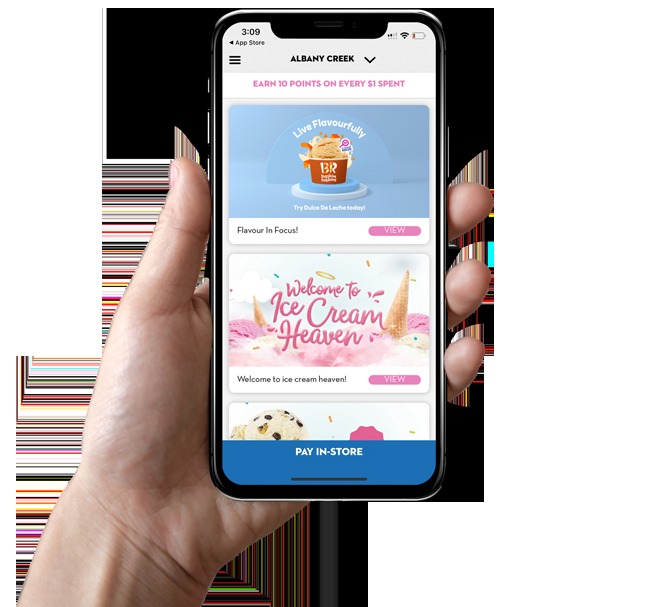
The receipt that plans the next visit
The pizza chain with three nervous systems
Jet’s Pizza gave LOKE a proper enterprise test. The American franchise network had 457 locations in LOKE’s 2024 account and used three point-of-sale systems: SpeedLine, HungerRush and Thrive. The job was not merely to publish an attractive app. It was to give delivery, takeout and order-to-table customers one account, retain their loyalty value, accept modern wallets and let promotions behave consistently across a franchise estate.
What failed first was not the kitchen plumbing. It was the look and feel. Store and customer feedback pushed LOKE to revise the front end during the pilot. That is a useful embarrassment. Software companies love diagrams in which integration arrows travel cleanly from left to right. People object to button placement. LOKE iterated, tested in pilot stores and only then moved to a full rollout. Fraud protection and SMS ordering were added around the same program.
Those are company-reported figures, not a controlled experiment. Even so, they point toward LOKE’s most credible claim. Convenience can lift conversion, but the larger prize is continuity. A customer who orders as the same person, spends from the same account and receives a relevant reward is easier to retain than a procession of anonymous receipts.
“This is the best product I’ve seen since we built the Domino’s AnyWare platform at Domino’s.”Aaron Nilsson, CIO, Jet’s Pizza
The price of having one brain
LOKE’s commercial model resembles enterprise plumbing because that is what it is. Public agreements describe an upfront platform setup fee, an ongoing platform-use fee and extra charges for customization or third-party integration. Exact amounts live in individual order forms. In August 2022 the company also introduced a small fee on consumer transactions in some markets, saying it had shipped more than 60 platform features during the previous year and wanted to avoid raising operator fees directly.
This is where the all-in-one promise acquires its asterisk. A Deliverect integration, announced in 2022, can push online orders into an existing POS and on to the kitchen, removing separate tablets and repeated steps. But it requires subscriptions to both products. LOKE’s CRM documentation also describes its current connector as one-way, from LOKE into the CRM. A unified view can still depend on several vendors, careful mapping and an operator willing to keep the menu, location and customer records clean.
A branded ordering channel, customer identity, loyalty rules, campaign tools, reporting and integrations.
Enough repeat traffic, disciplined data, working POS connections and offers better than indiscriminate discounts.
What the clever operator copies
The portable lesson is not “build an app.” Most customers do not wake with a yearning to download another restaurant icon. LOKE supports browser ordering, QR entry and passwordless magic links for precisely that reason. The copyable idea is to attach recognition to an action people already intend to take, then remove every unnecessary ceremony around it.
Second, save the customer’s accumulated value. A loyalty migration is a promise migration; lose balances and the new platform opens by stealing from its best users. Third, pilot against real operating mess. Jet’s had multiple POS systems and franchisees, so a pristine laboratory would have proved almost nothing. Fourth, let feedback alter the interface before rollout. LOKE’s front-end revision was not a detour from implementation. It was implementation.
The approach is weaker for venues with few repeat customers, poor transaction volume or no appetite for maintaining integrations. Personalization also goes sour when every “insight” becomes a coupon. A train-station kiosk may need speed more than intimacy; a once-a-year hotel guest may not reward an elaborate loyalty graph. And where staff, menus and POS records change constantly, automation can personalize the wrong thing with impressive efficiency.
LOKE sits between large restaurant-commerce suites such as Olo and Toast, loyalty specialists such as Paytronix and Punchh, and delivery marketplaces that arrive carrying both customers and commissions. Its sharper distinction is ownership. A marketplace can deliver a sale while keeping the audience. LOKE is paid to help the operator keep both - the order now and the memory of who made it.
That makes the company less a mobile-app maker than a memory merchant. The app is the waiter’s notepad. The real product is what happens when the restaurant can read yesterday’s order before deciding what, if anything, to say tomorrow.